The Mexican peso weakened against the U.S. dollar on Thursday, leading losses among a broad basket of reference currencies. Analysts attributed the decline to growing concerns over U.S. trade policy and its potential repercussions.
The peso’s exchange rate reached 20.6190 pesos per dollar in spot trading, marking a 0.54% drop compared to Wednesday’s official close of 20.5093 pesos, according to data from Banco de México (Banxico).
This represented a loss of 10.97 centavos for the currency. The dollar traded within a range of 20.4948 to 20.6489 pesos during the session. Meanwhile, the U.S. Dollar Index (DXY), which measures the greenback against six major currencies, fell 0.31% to 107.68 units.
This decline reflects broader market uncertainty. Market jitters intensified after former U.S. President Donald Trump announced plans to unveil reciprocal tariffs later in the day.
However, he provided no specific details about the measures. Analysts speculated that such tariffs could target imports from all trading partners, potentially disrupting global trade flows.
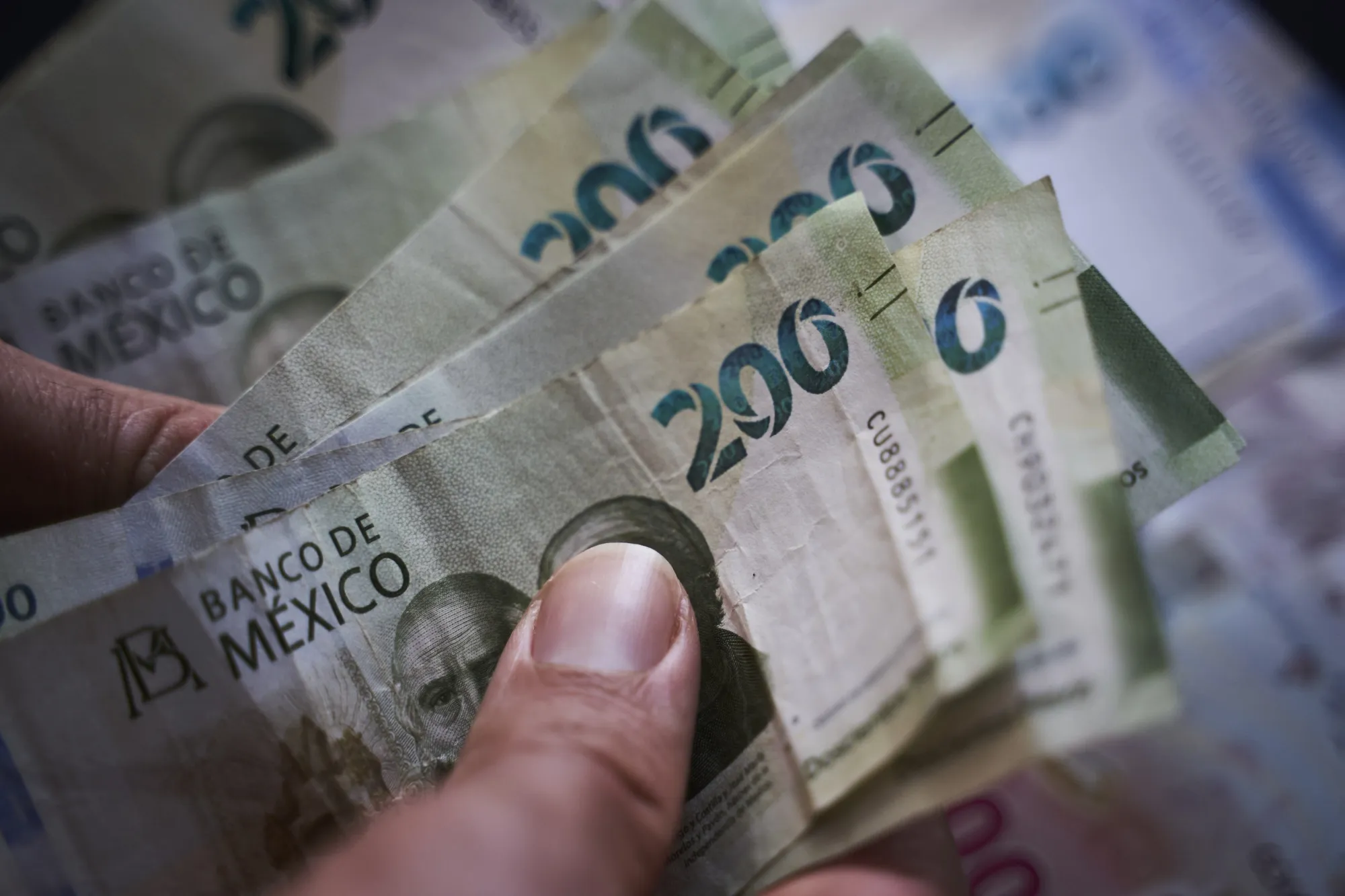
“The peso is currently the worst-performing currency among emerging markets today, pressured by the potential announcement of reciprocal tariffs by the United States,” Monex analysts noted in a report.
Banco Base echoed this sentiment, stating that Trump’s remarks on his social media platform Truth Social suggested imminent tariff announcements aimed at U.S. trading partners.
Mexico’s Peso Decline
The peso’s decline underscores its vulnerability to external shocks, particularly those stemming from U.S. economic policies. With Mexico’s economy closely tied to its northern neighbor through trade agreements like the USMCA, any disruptions could have significant ripple effects.
While the dollar index’s decline offered some relief to other currencies, the peso’s sharp drop highlighted investor caution over potential trade tensions.
Market participants will closely monitor further developments as they assess the implications of U.S. tariff policies on global markets and emerging economies like Mexico’s.
This latest episode underscores how sensitive emerging market currencies are to geopolitical and economic shifts. This is especially true when these currencies are tied to major trading partners like the United States.
Key Facts
— Deep Dive
— For the complete picture, read our in-depth guide: Mexico Economy 2026: GDP, Peso, Nearshoring, Banxico and Trade
More: Mexico news in English, every day from The Rio Times.
This article was produced by The Rio Times’ automated newsroom system. How we use AI · Report an error
In depth
Read More from The Rio Times