Mexican Peso Weakens Amid Trump Tariffs and Powell’s Testimony
The Mexican peso fell on Tuesday morning, reflecting market reactions to U.S. President Donald Trump’s decision to impose 25% tariffs on imported steel and aluminum, including from Mexico.
The announcement, made Monday, ended tariff exemptions for major suppliers like Canada and Mexico, heightening fears of a potential trade war. The peso’s exchange rate reached 20.6168 units per U.S. dollar in spot trading.
This marks a slight depreciation from Monday’s official close of 20.5979 units, according to the Bank of Mexico (Banxico). This represents a 0.09% drop or 1.89 centavos. The dollar traded within a range of 20.5937 to 20.6594 units during the session.
Meanwhile, the U.S. Dollar Index (DXY), which measures the greenback against six major currencies, fell 0.15% to 108.17. Trump’s tariffs add to existing duties on steel and aluminum imports, eliminating tax-free quotas for key trading partners.
Analysts warn that this move could further strain international trade relations. CiBanco noted that the peso remained near 20.60 per dollar despite the tariffs and highlighted market anticipation for Federal Reserve Chair Jerome Powell’s testimony before the U.S. Senate Banking Committee.
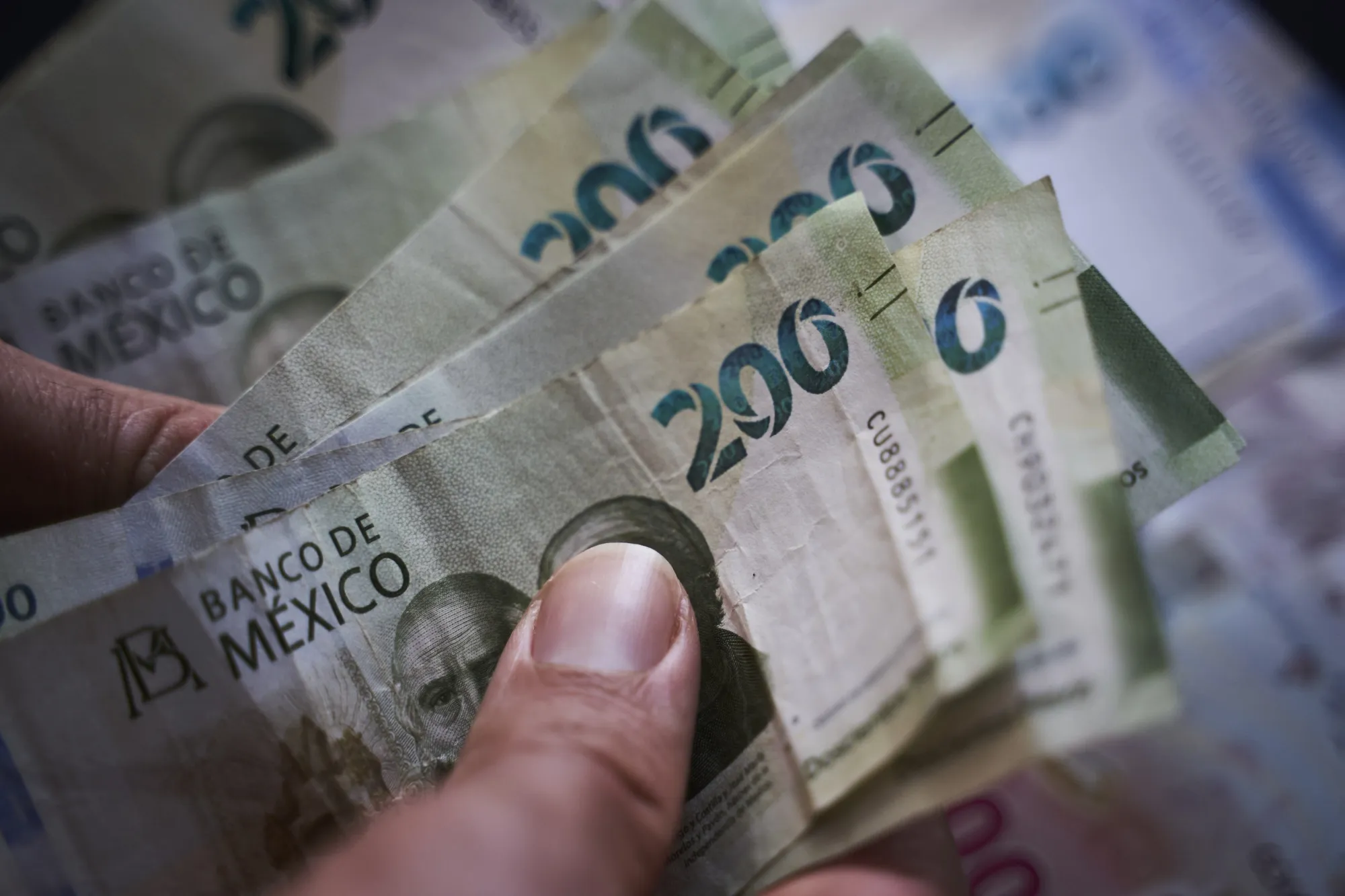
While the new tariffs are set to take effect on March 12, financial markets have shown a muted initial reaction. CiBanco suggested that investors believe there is still time for negotiations that could lead to exemptions for certain countries or products.
Investor Focus Shifts to Powell’s Testimony
Investor focus has now shifted to Powell’s semiannual testimony, where he is expected to provide insights into future monetary policy, including potential interest rate cuts.
Markets are closely monitoring his statements for clues about the Federal Reserve’s next steps amid ongoing economic uncertainties. Domestically, Mexico reported a decline in industrial activity earlier in the day.
December figures showed a 1.4% month-over-month contraction and a 2.7% year-over-year drop, according to data from INEGI (Mexico’s statistics agency). Monex attributed part of the peso‘s weakness to these disappointing industrial production numbers, coupled with lingering concerns over Trump’s tariffs.
The combination of weak local economic indicators and global trade tensions continues to weigh on Mexico’s currency as markets await further developments from both Washington and Mexico City.
Key Facts
— Deep Dive
— For the complete picture, read our in-depth guide: Mexico Economy 2026: GDP, Peso, Nearshoring, Banxico and Trade
More: Mexico news in English, every day from The Rio Times.
This article was produced by The Rio Times’ automated newsroom system. How we use AI · Report an error
Read More from The Rio Times