Medellín Is Turning Away Its Worst Tourists in 2026
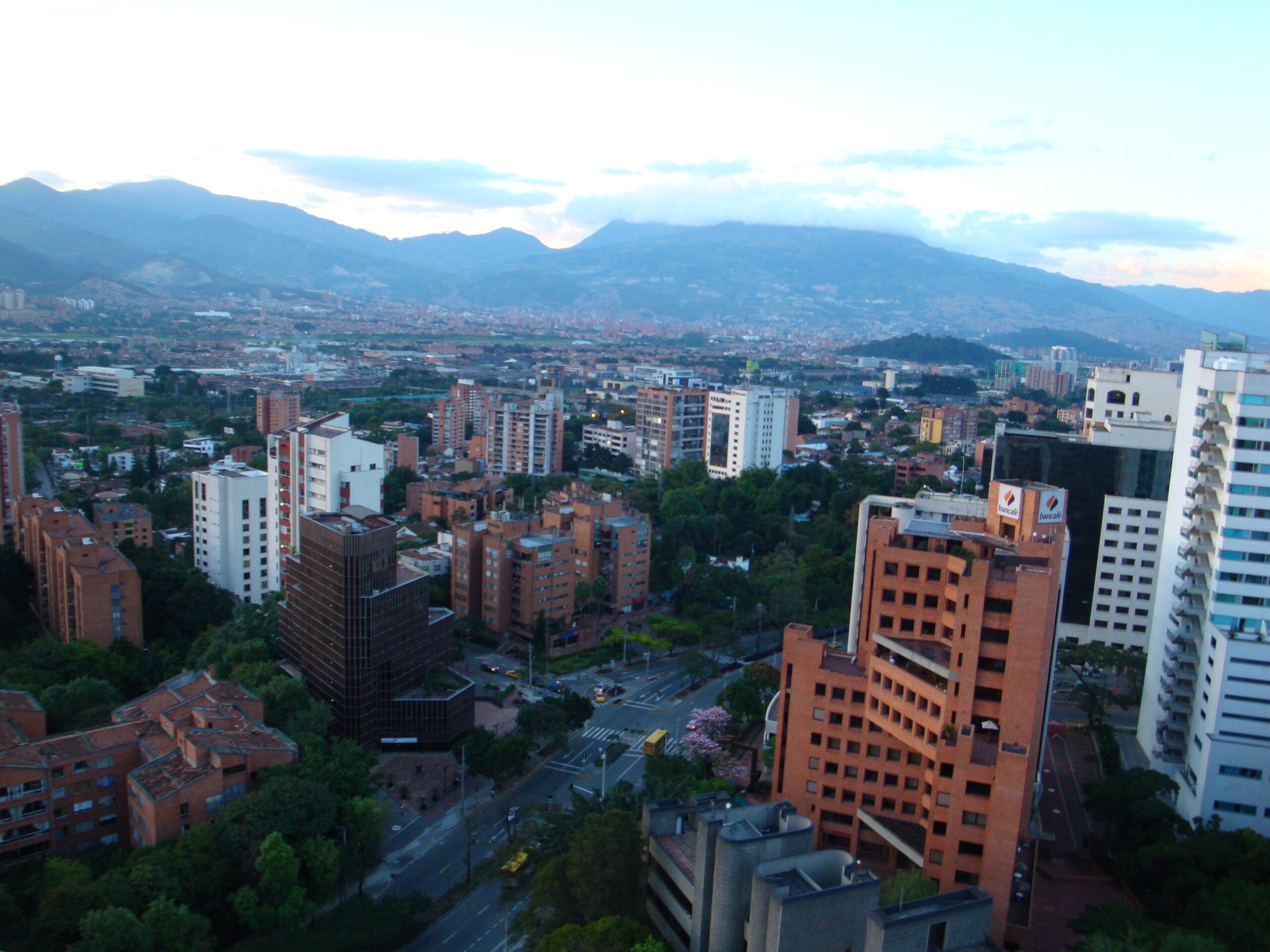
Medellín is turning away tourists who come to misbehave — and it is doing so in record numbers. In the first months of 2026, Colombian border officers have already refused entry to more foreigners than in the whole of last year, and the city at the centre of that crackdown is Medellín.
For the great majority of visitors and remote workers, none of this changes a thing. But it is a clear signal that one of Latin America’s most popular expat cities is drawing a line under a particular kind of visitor — and that the welcome comes with expectations.
Key Facts
- More refusals than all of last year. Border officers have turned away about 90 foreigners across Colombia so far in 2026 — already above the 110 for all of 2025 — with more than 60 of those cases in Medellín alone.
- Groups stopped at the airport. In a single week, 14 men described as “passport bros” were refused entry at Medellín’s Rionegro airport over concerns about sexual exploitation and drugs.
- A 10-year ban. One high-profile visitor was refused entry and banned for a decade after officials flagged his sex-tourism social-media content.
- Locals are pushing back too. “Go home” stickers aimed at newcomers have appeared in the Provenza nightlife area as rents keep climbing.
- It costs more to settle now. Medellín is now Colombia’s most expensive city to rent in, and the digital-nomad visa asks for about US$1,380 a month in income.
Why Medellín is turning away tourists
The numbers tell the story. Across Colombia, officials have refused entry to roughly 90 foreigners so far in 2026 — already more than the 110 recorded for the whole of 2025 — and over 60 of those decisions were made in Medellín, mostly at its Rionegro airport.
In one week alone, officers turned back a group of 14 men they described as “passport bros,” citing alerts about sexual exploitation and drugs.
The most talked-about case was a visitor who was stopped at the airport and banned from the country for ten years after authorities pointed to social-media posts promoting sex tourism. Colombian officials have been blunt about the goal: people who come to exploit the city, rather than enjoy it, are no longer welcome.
| Entry refusals | Colombia (all) | Medellín |
|---|---|---|
| All of 2025 | about 110 | part of that total |
| 2026 so far | about 90 | 60-plus |
A city pushing back on bad tourism
The crackdown lands at a tense moment. Tourist arrivals are still rising — up about a quarter on the year — but so is local frustration.
In the Provenza area, the heart of Medellín’s nightlife, residents have put up “go home” stickers aimed at newcomers, tying the boom to rising rents and a sense that some visitors treat the city as a playground.
City leaders have leaned into that mood with a clear message that respectful visitors are welcome and predators are not. It is a notably different approach from cities that simply absorb the downside of mass tourism: Medellín is choosing to remove one segment of it, even as overall numbers grow.
What it means if you are moving to Medellín
If you are a remote worker, retiree, or ordinary traveller, the practical effect is small — but it pays to do the basics well. Carry proof of where you are staying and of onward travel, be ready to explain your plans, and behave as a guest.
The people being turned away are a specific group, not the everyday newcomer.
It is also worth being realistic about cost. Medellín has quietly become Colombia’s most expensive city to rent in, and a comfortable monthly budget now runs from about US$1,800 to US$2,800.
If you want to stay long term on the digital-nomad visa, you will need to show income of around US$1,380 a month, a figure that rose this year along with Colombia’s minimum wage.
More: Colombia news in English, every day from The Rio Times.
Frequently Asked Questions
Will this affect normal tourists and remote workers?
For almost everyone, no. The refusals target a specific group of visitors linked to sex tourism, drugs, or exploitation.
Ordinary travellers and remote workers who carry their documents and can explain their plans are not the focus. It is still wise to have proof of accommodation and onward travel ready at the airport.
What does “passport bro” mean here?
It is a label for men who travel specifically to take advantage of women in lower-income countries, often sharing it as a lifestyle online. Colombian officials have linked some of these visitors to the exploitation of women and minors, which is why groups fitting that profile have been refused entry.
How much income do I need for Medellín’s digital-nomad visa?
Around US$1,380 a month, which is three times Colombia’s minimum wage. That figure rose this year because the minimum wage jumped, and officials are checking paperwork more strictly than before.
Always confirm the latest numbers with a consulate.
Is Medellín still safe and welcoming for expats?
Yes. The city remains one of Latin America’s most popular bases for remote workers and retirees, and the crackdown is aimed at bad actors rather than newcomers in general.
The main change for ordinary expats is cost: rents have climbed, and Medellín is no longer the bargain it once was.
This article was produced by The Rio Times’ automated newsroom system. How we use AI · Report an error · Editorial responsibility: Matthias Camenzind, Editor-in-Chief
The Medellín Guide
What The Rio Times publishes for foreigners in Medellín, Colombia.
This month
Coming up in Medellín
- Ritvales 2026 in Medellín, Colombia: The City's Big Festival Weekend Runs October 31–November 1 31 Oct
- JetSMART Buenos Aires Medellín: Five Flights a Week From 12 November 2026, Leaving Ezeiza at 02:45 12 Nov
- Juanes in Colombia: World Tour Plays Medellín's DAVIarena November 14 and Bogotá's Movistar Arena November 20 14 Nov
- Chayanne in Medellín, Colombia: DAVIarena Show on 19 November, From US$68 19 Nov
Living in Medellín
- Medellín vs Mexico City for Expats in 2026: The Visa Gap Decides It
- Expats See Medellín Rents Surge as Digital Nomads Flood El Poblado
- Medellín's Feria de las Flores, Explained: The Flower Festival Every Expat Should See Once
- Colombia Denies Entry to Four Americans at Medellín Airport
Understand Colombia