Mater Dei’s Q2 Profit Jumps 66% as Hospital Beds Fill Up
Brazil · Business
Key Facts
- —The profit Rede Mater Dei reported adjusted Q2 2026 net income of R$45 million (about US$8.71 million), up 66% year-on-year.
- —The revenue Net revenue rose 12.5% to R$614 million (about US$119 million).
- —The core Adjusted EBITDA reached R$139 million (about US$26.9 million), a margin of 22.6%.
- —The lever Bed occupancy was 83.9% at the end of June and 84.1% on average for the half, against 83% a year earlier on a comparable basis.
- —The footprint The network runs hospitals across Minas Gerais, Bahia and Goias, with Sao Paulo planned for 2028.
The mid-sized Minas Gerais operator turned a 12.5% rise in revenue into a 66% jump in profit. It is a reminder that a fuller hospital is a far more profitable one.
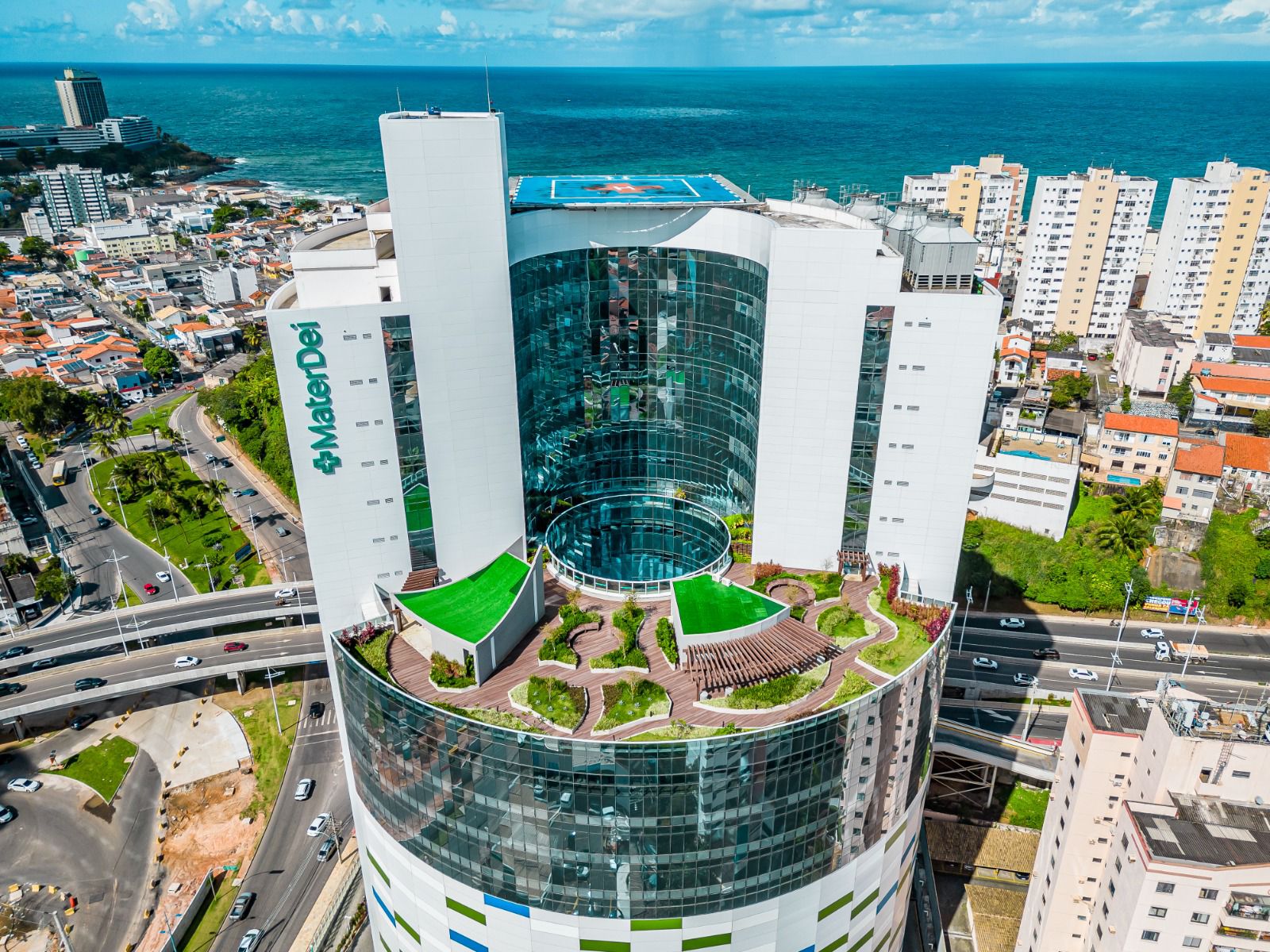
Mater Dei, the Minas Gerais hospital network, posted a sharply higher second-quarter profit as fuller wards did the heavy lifting. Adjusted net income jumped 66% to R$45 million, about US$8.3 million, with more patients spread across the same fixed hospital costs.
What Mater Dei reported
For the second quarter of 2026, the company reported adjusted net income of R$45 million, roughly US$8.3 million. That was up 66% from the R$27.1 million it earned in the same quarter last year.
A big jump for a mid-sized operator. Net revenue rose a steadier 12.5% to R$614 million, about US$114 million, so profit grew far faster than the top line.
How a fuller hospital pays off
A hospital carries most of its costs whether the beds are full or standing half empty on a quiet week. The doctors, nurses, buildings.
Imaging machines and back-office staff all have to be paid for no matter how many patients actually walk through the doors. So when more of those beds fill up.
Much of the extra money each new patient brings in drops straight through to profit rather than being eaten by new costs.
The occupancy lever
That is exactly what happened at the network this quarter, and it sits right at the heart of the story. Bed occupancy stood at 83.9% at the end of June, with a half-year average of 84.1%. The company’s own comparable figure for the same quarter last year was 83%, so the move is roughly a percentage point, not six. Occupancy also eased from 84.3% in the first quarter.
Which means the hospitals ran noticeably fuller day to day. Each additional patient shared the same fixed costs already on the books.
So the profit earned on that extra activity was unusually high.
Revenue grew, profit grew faster
The gap between the three growth rates tells the whole tale of the quarter in a single glance. Revenue rose a solid 12.5%, but adjusted EBITDA climbed a faster 20.7% and adjusted net income leapt 66% over the same period.
That steadily widening gap is the classic signature of operating leverage. The point where a busier business quietly becomes a much more profitable one.
The EBITDA picture
Beyond the headline profit, adjusted EBITDA offers a cleaner read on the core operation. It came in at R$139 million, about US$26 million, up from R$115.2 million a year earlier.
The EBITDA margin widened to 22.6% from 21.1%, showing the business kept more of every real it billed.
A network rooted in Minas Gerais
Mater Dei is not a giant by Brazilian standards, and that context matters. It runs hospitals across its home state of Minas Gerais, plus Salvador in Bahia and Goiania in Goias.
That regional focus keeps it smaller than national rivals, but also lets it dominate the markets it knows best.
The Sao Paulo bet
The company’s next chapter is a move into Sao Paulo, Brazil’s largest and most competitive healthcare market. It plans to open a hospital in the Santana district by 2028, working with Bradesco Seguros and Atlantica Hospitais.
Strong quarters like this one help fund that expansion without leaning too heavily on new debt.
Why hospitals are a scale game
Private hospitals live and die by how busy their beds are, quarter after quarter and year after year. A half-empty ward still quietly burns cash on staff and upkeep.
While a full one turns the very same building into a reliable money-maker. That is why occupancy is the single number analysts tend to watch most closely when results like these land.
How the year is shaping up
This was not a one-off good quarter, but part of a run of improving results. In the first quarter of 2026 the company posted record net revenue of R$575 million, about US$106 million.
Adjusted net income rose roughly 80% in that quarter, so the momentum carried into the second.
What to watch next
The key thing to follow is whether the company can keep its beds this full. Occupancy near 84% leaves less room to grow simply by packing in more patients.
From here, the next leg of growth likely depends on new capacity and the Sao Paulo launch.
More: Brazil news in English, every day from The Rio Times.
Frequently Asked Questions
How much did Mater Dei earn in Q2 2026?
Adjusted net income was R$45 million, about US$8.3 million, up 66% from R$27.1 million a year earlier.
What drove the higher profit?
Fuller hospitals. Bed occupancy rose to 83.9% from 78%, so extra patients shared the same fixed costs and lifted margins.
How big is Mater Dei’s hospital network?
It runs hospitals across Minas Gerais, plus Salvador in Bahia and Goiania in Goias. Making it a strong regional operator rather than a national giant.
Where is Mater Dei expanding?
It plans to enter Sao Paulo by 2028 with a hospital in the Santana district, alongside Bradesco Seguros and Atlantica Hospitais.
Sources: Company results via Reuters, Valor and Estadao, with BTG Pactual research and Mater Dei filings.
This article was produced by The Rio Times’ automated newsroom system. How we use AI · Report an error · Editorial responsibility: Matthias Camenzind, Editor-in-Chief
LatAm Markets: Live Signals → — real-time movers, turnover leaders and FX across Latin America.