Havan’s Owner Tops Brazil’s Retail Wealth Ranking
BRAZIL · WEALTH
Key Facts
- —The top Luciano Hang of Havan, at R$11.9 billion.
- —The list Forbes Brasil’s ranking of 22 Brazilian retail billionaires, worth R$53.6 billion combined.
- —Behind him Michael Klein of Casas Bahia in second, Flávio Rocha of Riachuelo in fourth, Ilson Mateus of Grupo Mateus in fifth.
- —Further back Fernando Trajano of Magazine Luiza at eleventh.
- —The irony Casas Bahia entered judicial recovery in August with R$17.3 billion of debt.
- —On the figure Secondary outlets cite R$11.4 billion and R$12.6 billion. Forbes’s own figure is R$11.9 billion.
The richest man in Brazilian retail runs a chain of stores with a Statue of Liberty outside. The second richest owns a company in judicial recovery.
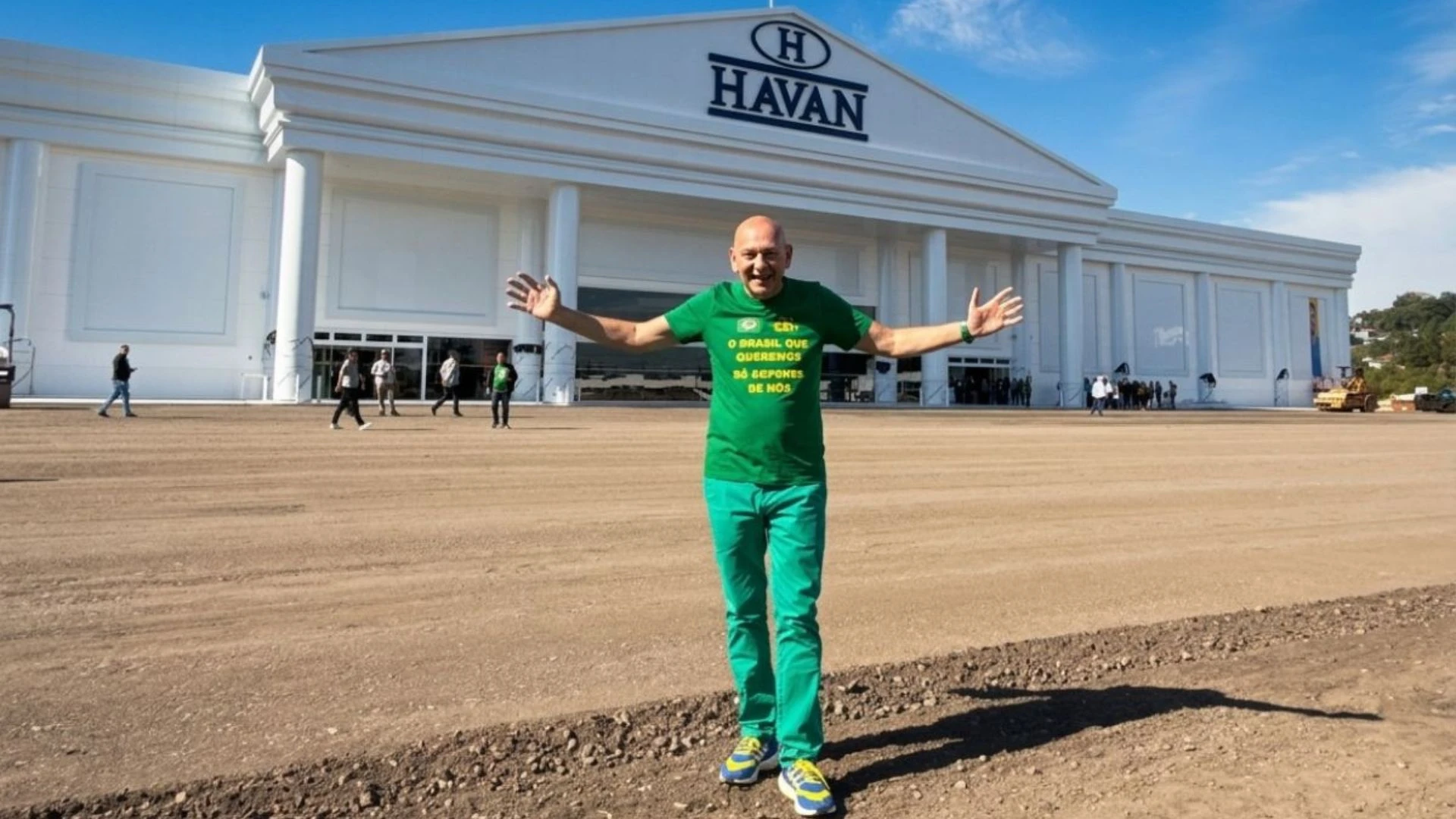
Forbes Brasil’s 2026 ranking of retail fortunes puts Luciano Hang of Havan first at R$11.9 billion, ahead of the families behind Casas Bahia, Riachuelo, Grupo Mateus and Magazine Luiza.
The Ranking
Forbes Brasil counts 22 Brazilian retail billionaires with a combined R$53.6 billion.
Luciano Hang of Havan leads at R$11.9 billion. Michael Klein of the Casas Bahia group is second, Flávio Rocha of Riachuelo and Guararapes fourth, Ilson Mateus Rodrigues of Grupo Mateus fifth, and Fernando Trajano of Magazine Luiza eleventh.
Secondary outlets have cited R$11.4 billion and R$12.6 billion for Hang. Forbes’s own published figure is R$11.9 billion.
What the Order Shows
The ranking is a snapshot of a decade of divergence in Brazilian retail. Havan is a physical-store department chain in the interior, privately held, with no listed equity to reprice.
The listed names above it in the old rankings have spent that decade being marked down. Magazine Luiza was one of the most celebrated equity stories on the B3 and has given back most of that valuation. Casas Bahia entered judicial recovery in August 2026 owing R$17.3 billion to roughly 28,000 creditors.
A private company that never listed has therefore overtaken listed peers not by growing faster but by not being repriced.
The Limits of the Exercise
Valuations of privately held retail chains are estimates. Forbes builds them from revenue multiples against listed comparables, and the listed comparables in Brazilian retail have been unstable.
That instability cuts both ways. The same multiple compression that pushed Magazine Luiza down should, applied consistently, push a privately held peer down too.
The ranking is best read as a directional statement about who has held value in Brazilian retail rather than as a precise measurement of anybody’s net worth.
What Havan Actually Is
Havan operates large department stores, mostly in the interior of southern and central Brazil, selling a wide range from homeware to clothing to electronics. Many of its stores carry a replica of the Statue of Liberty at the entrance, which has become the chain’s visual signature.
The format is unfashionable by the standards of Brazilian retail commentary. It is physical, it is large-footprint, it is concentrated outside the major metropolitan areas, and it sells across categories rather than specialising.
It has also proved durable. The customers it serves have fewer alternatives than a São Paulo shopper, delivery economics to smaller cities are poor for pure e-commerce, and a store that carries everything is a rational destination when the nearest alternative is an hour away.
The company is privately held, which means no quarterly earnings, no analyst coverage and no daily repricing.
The Companies It Passed
Casas Bahia, under the Klein family, was the dominant name in Brazilian consumer credit retail for decades. It entered judicial recovery in August 2026 owing R$17.3 billion to around 28,000 creditors.
Magazine Luiza was the celebrated equity story of the previous cycle, held up as proof that a Brazilian bricks-and-mortar retailer could become a digital platform. Its shares have given back the great majority of that valuation.
Riachuelo, through Guararapes, and Grupo Mateus in the northeast have both held up better, but neither has escaped the multiple compression that has hit the sector.
The common factor in the decline is the listed market. Being valued daily by investors who changed their minds about Brazilian retail is what moved these fortunes, and Havan was never subject to that mechanism.
Reading a Rich List Properly
Forbes builds private company valuations from revenue and earnings multiples drawn from listed comparables. When the comparables are unstable, so are the estimates.
There is a logical tension in the result. The same multiple compression that pushed Magazine Luiza down should, applied consistently, reduce the implied value of a privately held peer selling into the same economy.
The ranking is therefore best read as a statement about relative resilience rather than as measurement. Havan is at the top because the value the market took away from its listed competitors was never assigned to it in the first place.
That is a real observation about the past decade in Brazilian retail. It is not a precise measurement of anybody’s wealth.
More: Brazil news in English, every day from The Rio Times.
Frequently Asked Questions
Who tops the ranking?
Luciano Hang of Havan, at R$11.9 billion, according to Forbes Brasil.
Who else is on it?
Michael Klein of Casas Bahia second, Flávio Rocha of Riachuelo fourth, Ilson Mateus of Grupo Mateus fifth and Fernando Trajano of Magazine Luiza eleventh.
How large is the list?
22 Brazilian retail billionaires with a combined R$53.6 billion.
Why the different figures for Hang?
Secondary outlets cite R$11.4 billion and R$12.6 billion. Forbes’s own figure is R$11.9 billion.
How reliable is it?
Private company valuations are estimates built from listed comparables, and Brazilian retail multiples have been unstable.
Sources: Forbes Brasil, Tribuna de Noticias.
This article was drafted with automated assistance and reviewed before publication. How we use AI · Report an error
Read More from The Rio Times