Kenya Court Voids Safaricom Stake Sale to Vodacom
KENYA · SAFARICOM
Key Facts
- —Who is Safaricom Kenya’s largest company and its dominant mobile operator, the one that runs M-Pesa. The Kenyan state has long been its biggest single shareholder.
- —What happened Three High Court judges ruled on 15 September that the government’s sale of 15% of Safaricom to Vodacom was unconstitutional.
- —What the order says The shares are restored to the ownership of the government of Kenya on behalf of the people of Kenya.
- —How much money The state sold 6.01 billion shares at KES 34 each, about KES 204.3 billion or US$1.58 billion.
- —Why the judges said no No meaningful public participation, no competitive selection of the buyer, no competition-authority approval, and concealment of material information.
- —What happens now Both Vodacom and the National Treasury are appealing. No stay has been granted.
Kenya sold a seventh of its biggest company in June. In September a court ordered the shares handed back.
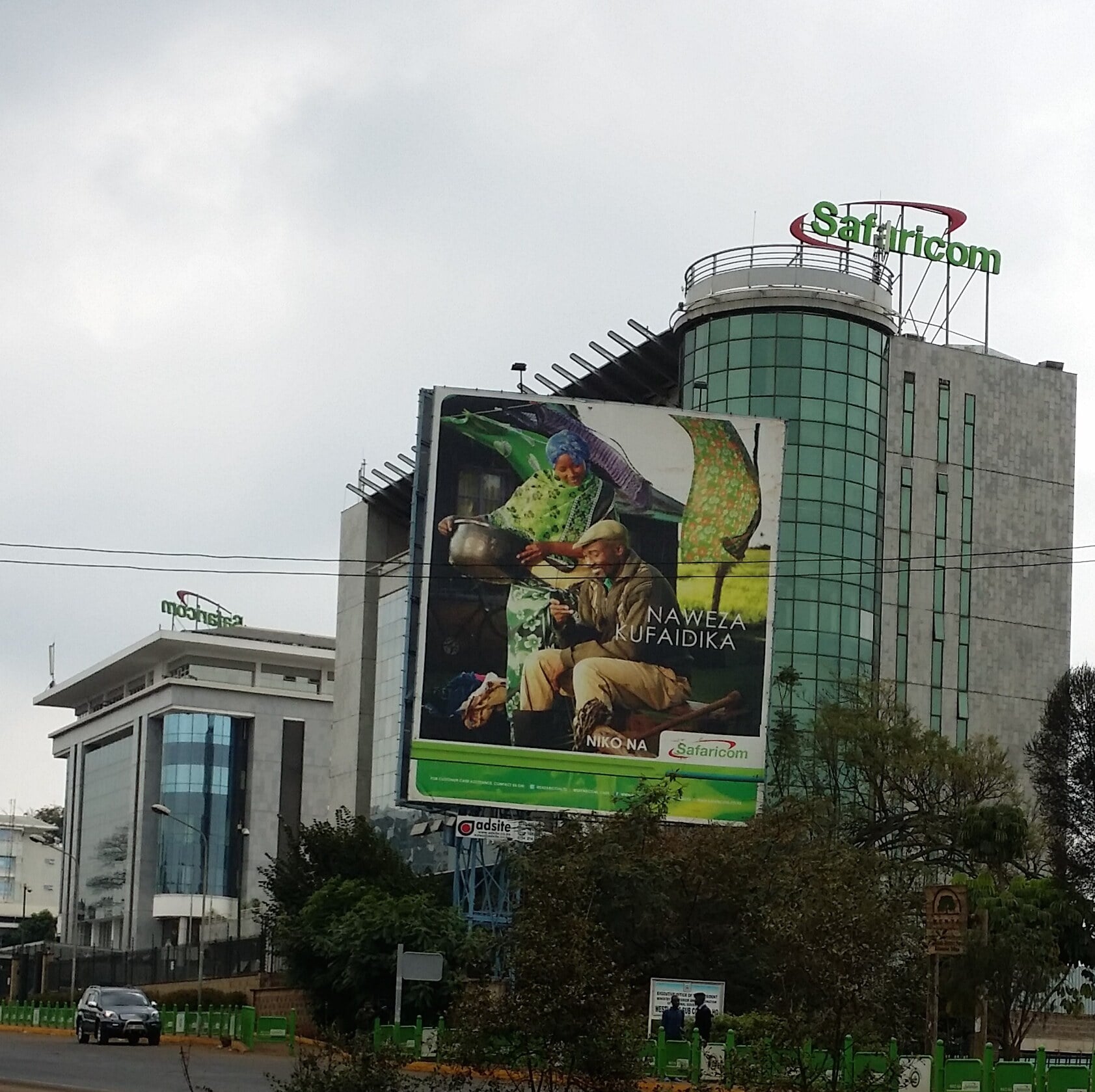
Three judges of Kenya’s High Court ruled on 15 September against the state’s sale of a 15% stake in Safaricom. The transfer to Vodacom was unconstitutional, they held, and the shares are restored to government ownership.
The Ruling
The judgment came from the Constitutional and Human Rights Division at Milimani, Nairobi.
The bench was Justice Francis Gikonyo, Justice Roselyne Aburili and Justice Tabitha Ouya Wanyama.
The case is Petition E051 of 2026, consolidated with Petitions E836 of 2025 and E831 of 2025.
The shares were transferred in contravention of the constitution and the law, the court held. They are restored to the ownership of the government of Kenya on behalf of the people of Kenya.
Who Brought the Case
The petitioners are the broadcaster and journalist Tony Gachoka and the economist Professor Fredrick Ogola.
Kalonzo Musyoka, the Wiper Party leader and a senior counsel, appeared in the matter.
The petition was filed at Milimani in January 2026, before the sale completed.
It ran alongside two earlier petitions from 2025, which the court consolidated.
What the Court Found Wrong
The judges found no adequate and meaningful public participation, a requirement under Articles 10 and 118 of the Kenyan constitution.
They found the state had not complied with section 87A of the Public Finance Management Act.
They found there had been no competitive selection of Vodacom as buyer, and no Competition Authority approval.
They also found unexplained obscurity about the buyer’s identity, misrepresentation and concealment of material information. A commitment to Vodafone dated 3 December 2025 came prematurely.
The Money
The National Treasury sold 6,009,814,200 shares at KES 34 each, about US$0.26 a share.
That is KES 204.3 billion, roughly US$1.58 billion.
A separate arrangement monetised dividends accruing on the state’s residual 20% stake for KES 40.2 billion, some US$311 million.
Together the state expected KES 244.5 billion, about US$1.89 billion.
Vodacom Bought 20%, Not 15%
The transaction was larger than the state’s portion alone.
Vodacom bought 8 billion shares in total at KES 34 each, about US$0.26. Six billion came from the National Treasury and two billion from Vodafone Group for KES 68.1 billion, about US$526 million.
That took Vodacom from roughly 40% to about 55% of Safaricom.
Whether the Vodafone leg and the dividend arrangement fall within the ruling is an open question.
Two Companies, Often Confused
Vodacom Group is listed in Johannesburg and filed its response to the ruling with the JSE.
Vodafone Group is the British parent, listed in London and on Nasdaq, and owns roughly 65% of Vodacom.
Before this transaction Vodafone held a direct stake in Safaricom as well as its indirect holding through Vodacom.
The sale moved Safaricom further under Vodacom’s control and reduced Vodafone’s direct exposure.
How the Shares Moved Before Judgment
A High Court conservatory order froze the deal in May 2026.
The Court of Appeal lifted that freeze on 26 June. The substantive case was argued on 29 June.
The block trade closed on 30 June 2026, with judgment still pending.
That sequence is why shares changed hands months before the court ruled on whether they should have.
Both Sides Are Appealing
Vodacom said an appeal will be lodged with the Court of Appeal. It will also apply to stay the matter until the appeal is heard.
The National Treasury lodged its own appeal on 16 September. Cabinet Secretary John Mbadi said the Treasury would pursue it vigorously.
No stay had been granted as of 16 September.
Until one is, the declaration stands and the legal position of the shares is unsettled.
What It Means for Kenyans and for Investors
Nothing changes for Safaricom customers. M-Pesa, mobile and fibre services run normally and the company itself was not a party to the wrongdoing found.
The price of KES 34, about US$0.26, was publicly contested as too low. The accountants’ body ICPAK and rival operators both said so.
For foreign investors the ruling is a reminder that Kenyan privatisations can be unwound years after the money moves.
The Treasury had counted on the proceeds to support reserves. As of mid-July the central bank was still describing the payment as imminent.
What to Watch
Whether the Court of Appeal grants a stay, which would suspend the restoration order.
Whether the ruling reaches the 5% bought from Vodafone and the dividend arrangement.
Safaricom’s share price on the Nairobi Securities Exchange.
And the written judgment itself, which will set out the remedy in detail.
More: Africa news and analysis, every day from The Rio Times.
Frequently Asked Questions
What did the Kenyan High Court rule?
That the sale of a 15% state stake in Safaricom to Vodacom was unconstitutional. The shares are restored to government ownership. The ruling came on 15 September 2026.
Which judges decided it?
Justice Francis Gikonyo, Justice Roselyne Aburili and Justice Tabitha Ouya Wanyama, sitting in the Constitutional and Human Rights Division at Milimani.
How much was the stake sold for?
6.01 billion shares at KES 34 each, about KES 204.3 billion or US$1.58 billion.
Why was it struck down?
No meaningful public participation, no competitive selection of the buyer, no Competition Authority approval, and concealment of material information.
Is the ruling final?
It is a final judgment on the petitions, but both Vodacom and the National Treasury have appealed. No stay had been granted as of 16 September.
Does this affect M-Pesa or Safaricom services?
No. Safaricom continues to operate normally.
Sources: High Court of Kenya (Petition E051 of 2026), Daily Nation, People Daily, Capital FM, TechCentral, BusinessTech, Bloomberg.
This article was produced by The Rio Times’ automated newsroom system. How we use AI · Report an error
LatAm Markets: Live Signals → — real-time movers, turnover leaders and FX across Latin America.
Read More from The Rio Times