Jamaica Economy Shrinks 2.9% in Second Quarter as Hurricane Damage Lingers
JAMAICA · ECONOMY
Key Facts
- —The number Jamaica’s real output fell 2.9% in April to June 2026 compared with a year earlier, STATIN reported on 30 September 2026.
- —Hardest hit Mining and quarrying fell 26.1%, farming 15.3% and hotels and restaurants 12.3% in the quarter (STATIN).
- —The recovery sign Output rose 1.2% from January to March 2026 after seasonal adjustment, STATIN said on 30 September.
- —The outlook The Planning Institute of Jamaica projected growth of 1.0% to 3.0% for the fiscal year to March 2027 (18 August 2026).
- —Rates and prices The Bank of Jamaica raised its policy rate to 6.0% on 29 September 2026, with inflation at 7.9% in August.
The Jamaica economy remains smaller than a year ago after Hurricane Melissa, but it grew for a second straight quarter.
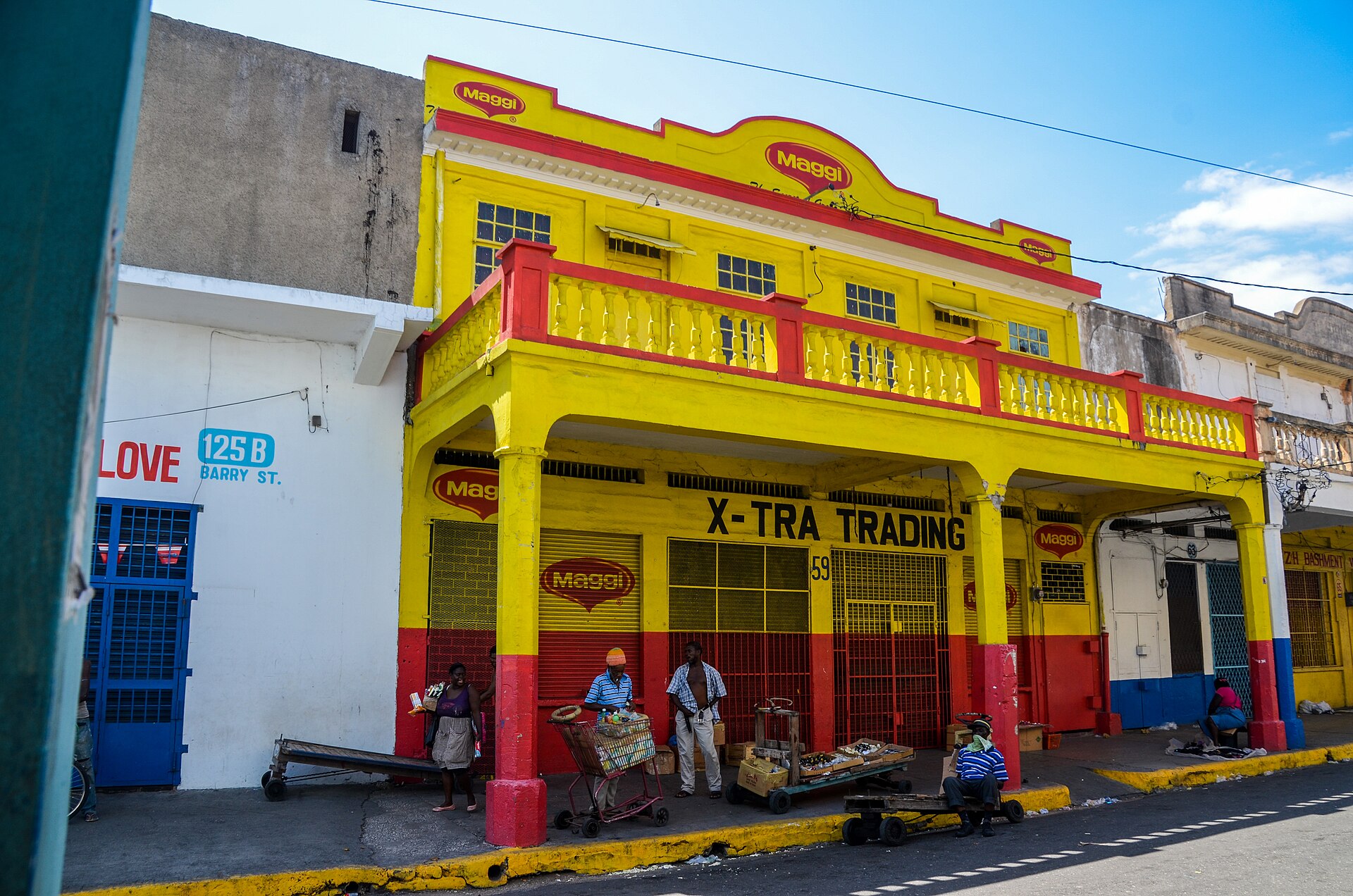
Jamaica’s economy shrank 2.9% in April to June 2026 from a year earlier, the Statistical Institute of Jamaica (STATIN) reported. Farms, bauxite and alumina plants and hotels were still recovering from Hurricane Melissa, which struck the island in October 2025.
What the official figures show
STATIN is Jamaica’s national statistics office. It measures the economy as total value added, the value of all goods and services produced, at constant 2015 prices.
The goods-producing industries fell 6.3% from a year earlier. The service industries, which make up most of the economy, fell 1.8%.
The result matched the preliminary estimate of 2.9% published on 18 August by the Planning Institute of Jamaica (PIOJ). The PIOJ is the government’s economic planning agency.
Mines, farms and hotels pull output down
Mining and quarrying, mostly bauxite and alumina, the raw materials for aluminium, fell 26.1%. STATIN linked the drop to lower alumina and bauxite production.
The PIOJ said in August that hurricane damage had caused technical problems at alumina plants. Alumina plants used only 27.3% of their capacity in the quarter, it estimated.
Agriculture, forestry and fishing fell 15.3%, with less output of fruits, yams and other root crops and vegetables. The PIOJ blamed the hurricane and drought linked to El Niño, a Pacific weather pattern.
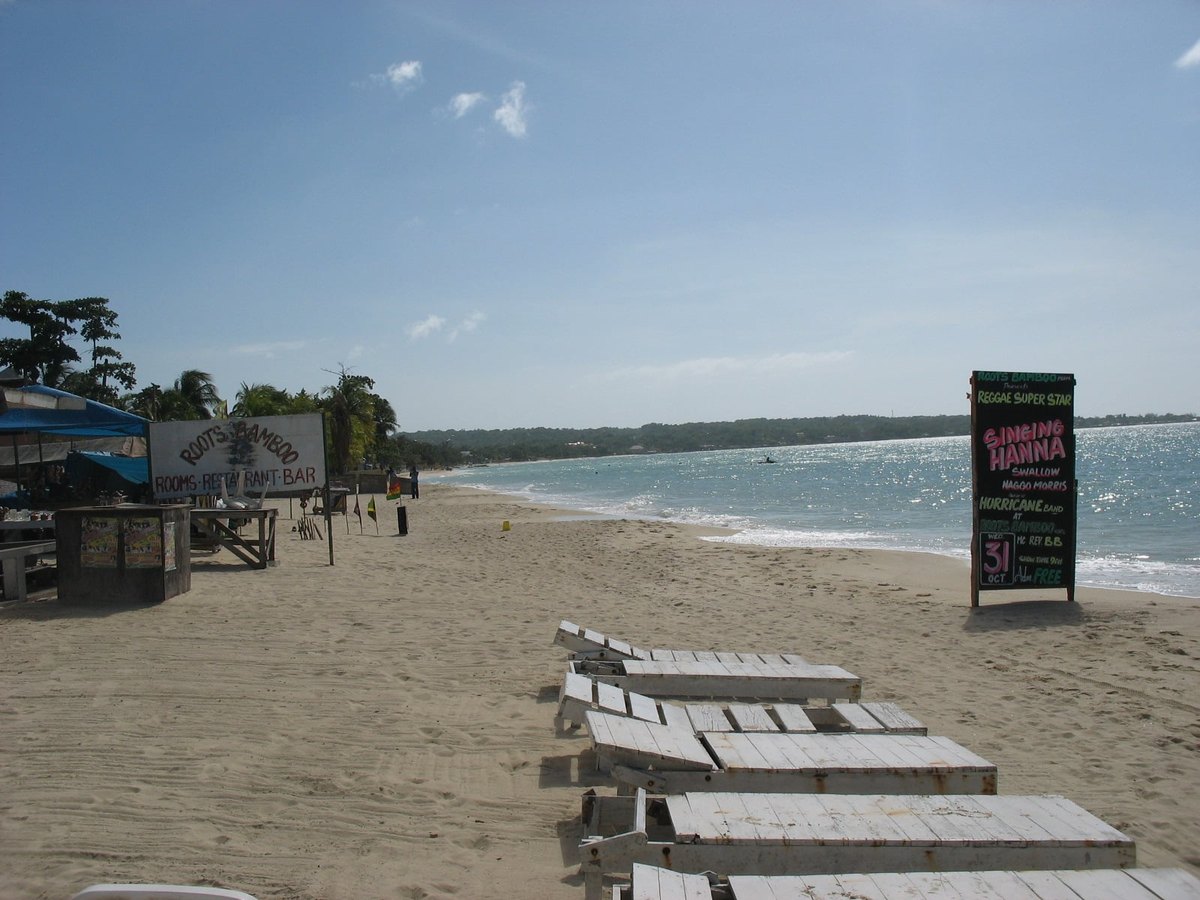
Hotels and restaurants fell 12.3%. STATIN cited a 21.0% drop in foreign visitor arrivals and the continued closure of some hotels.
What held up
Not every industry shrank. Manufacturing grew 0.1% and construction 0.4%, helped by higher spending on roads and other public works, the PIOJ said.
Finance and insurance grew 3.0%, as banks lent more. Wholesale and retail trade added 0.6% and public administration 0.3%.
Among the weaker services, transport and storage fell 6.1%, and electricity and water supply fell 4.2%. Real estate and business services fell 3.7%.
A recovery seen quarter by quarter
The yearly comparison hides a turn. After seasonal adjustment, output rose 1.2% from January to March 2026, STATIN said, with goods up 1.7% and services up 1.0%.
That was the second quarterly rise in a row. Output dropped 7.3% in October to December 2025 as the hurricane hit, the PIOJ said. It then rose 3.3% in the first quarter of 2026.
Jobs have held up better than output. Unemployment was 3.4% in July 2026, against 3.3% a year earlier, STATIN’s labour survey showed on 30 September.
Employment still fell by 21,900 people to 1,419,200 over the year. Many people moved outside the labour force, STATIN said, which kept the jobless rate low.
What officials expect next
The PIOJ expects output in July to September 2026 to shrink again, by 0.5% to 1.5% from a year earlier. It sees a return to growth in October to December 2026.
For the fiscal year that runs from April 2026 to March 2027, the PIOJ projects growth of 1.0% to 3.0%. The low base left by the hurricane will help the second half.
Brian Langrin, governor of the Bank of Jamaica (BOJ), the central bank, looks further ahead. “Growth is expected to strengthen in 2027/28 as these constraints ease and reconstruction gathers pace”, he said, the Jamaica Information Service reported.
Higher rates and prices for households
The recovery comes with higher prices. Inflation reached 7.9% in August 2026, above the BOJ’s target range of 4% to 6% for a third month, STATIN data show.
Food and transport led the rise, driven by drought and higher fuel costs. The BOJ raised its policy rate by half a point to 6.0%, effective 29 September.
The central bank said its decision aims to keep high prices from becoming permanent. It sees the risks to growth this fiscal year tilted to the downside, from farming, tourism capacity and mining.
What it means for residents and investors
For people living in Jamaica, the picture is a slow repair after a severe storm. Shop prices and borrowing costs are rising while hotels and mines rebuild.
Tourism, the biggest earner of foreign currency, depends on how fast closed hotels reopen. STATIN has not said how many hotels remain closed.
STATIN will publish July to September figures at the end of December. They will show whether the recovery seen in the first half of 2026 is holding.
More: Jamaica news, every day from The Rio Times.
Frequently Asked Questions
How much did Jamaica’s economy shrink in the second quarter of 2026?
Real output fell 2.9% in April to June 2026 compared with the same period of 2025, STATIN reported on 30 September 2026. Goods fell 6.3% and services 1.8%.
Is Jamaica’s economy recovering from Hurricane Melissa?
Yes, slowly. Output rose 1.2% from the previous quarter after seasonal adjustment, the second rise in a row. It remains below its level of a year earlier.
When do officials expect growth to return?
The Planning Institute of Jamaica expects growth to resume in October to December 2026. It projects 1.0% to 3.0% for the fiscal year to March 2027. The central bank expects growth to strengthen in 2027/28.
Sources: Statistical Institute of Jamaica (STATIN), GDP April-June 2026 · STATIN, Labour Force Survey July 2026 · Planning Institute of Jamaica · Jamaica Information Service · Bank of Jamaica
This article was produced by The Rio Times’ automated newsroom system. How we use AI · Report an error
Read More from The Rio Times