Indigenous Experts Fear Genocide of Uncontacted Tribes in Brazil
SÃO PAULO, BRAZIL – The Bolsonaro government has stirred up criticism with its stance on Brazil’s indigenous communities. Many say that his administration is providing the tools for the genocide of uncontacted indigenous tribes.

On Friday (October 4th) a group of experts focused on the protection of isolated Indians released an open letter repudiating the “ongoing genocide” of these communities due to the government’s “frequent cuts and contingencies”.
Among other things the letter criticizes the dismissal of Bruno Pereira from the position of area coordinator at CGIIRC (General Coordination of Isolated and Recent Contact Indians).
The CGIIRC is considered one of the most sensitive sectors of Funai (National Indian Foundation), working with the most vulnerable indigenous populations in the Amazon. The department also plays an important role in the licensing process of large projects, such as hydroelectric dams and highways, in the Amazon region.
“We draw attention to the ongoing Genocide Crime, due to the frequent cuts and contingencies imposed on the General Coordination of Isolated and Recent Contact Indians, and at this time the dismissal of General Coordinator Bruno Pereira. It is noteworthy that possible ideological interference such as we are witnessing in Funai’s technical staff, in particular, this General Coordination is of the greatest severity,” says the letter.
Earlier this year Pereira was one of the organizers of FUNAI’s expedition to make contact with a group of isolated Indians from the Javari Valley Indigenous Land region, located in the far western part of Brazil’s Amazon forest. This was the largest expedition in the last twenty years by the Brazilian government to make contact with these indigenous tribes.
The mission’s main objective was to avoid conflicts between the Coari Korubo and the Matis, another indigenous group in the region. The Coari Korubo Indians, part of which remain in total isolation, claim the right to land near the Coari River and have recently clashed with the already contacted Matis people.
On Monday, (October 7th) FUNAI announced that anthropologist Paula Wolthers de Lorena Pires will be the new head of CGIIRC. Pires, who has worked at Funai for the past eight years, is one of the first women to head the organization.
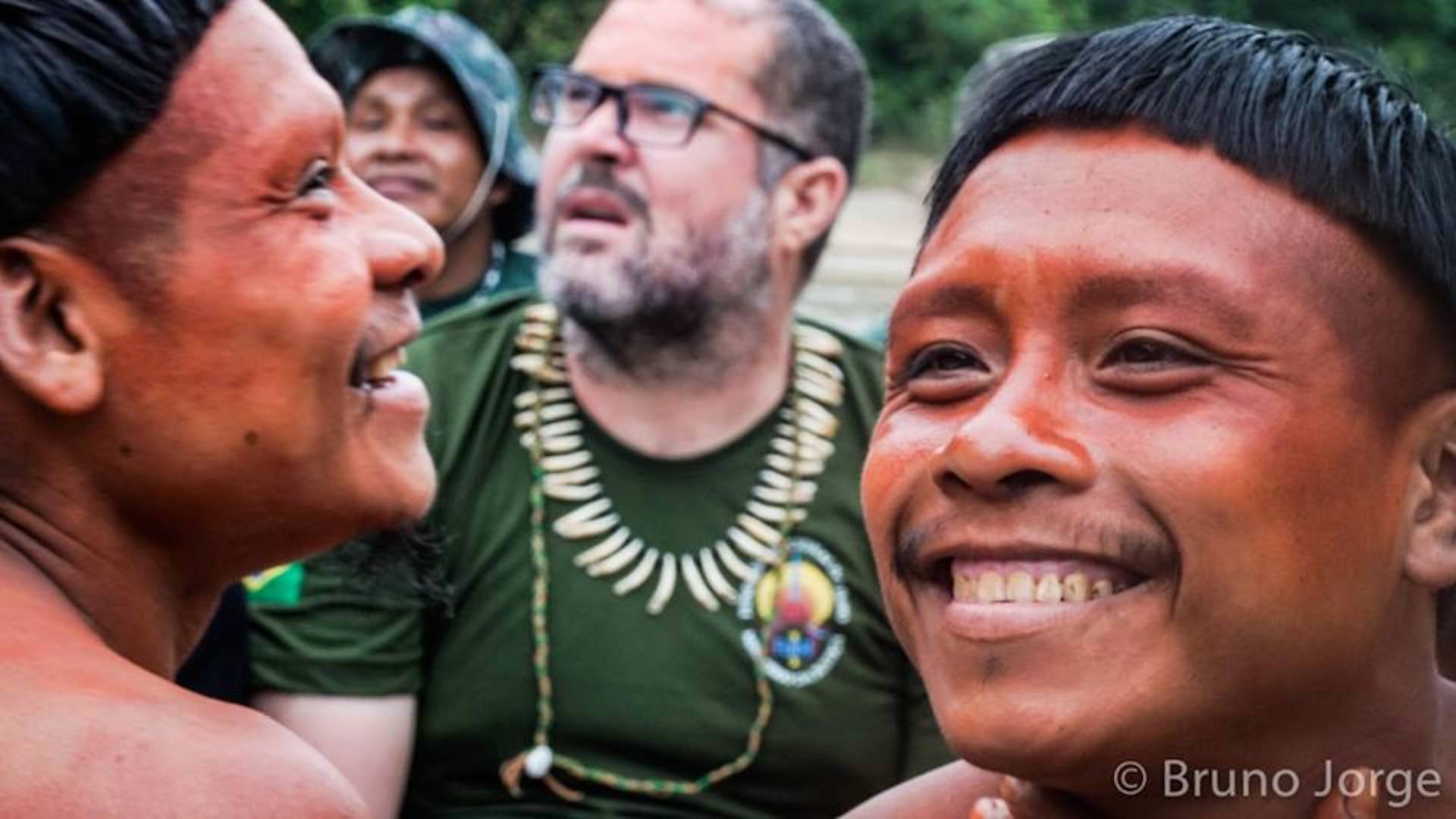
But according to the indigenous experts, the future of these isolated tribes is at risk. They insist in the letter that society must “react and denounce in international courts this clear attempt to deconstruct the Brazilian policy of defense and promotion and protection of the rights of isolated indigenous peoples and recent contact”.
“Possible ideological interferences such as those we are witnessing in Funai’s technical staff, especially this General Coordination, are of the utmost seriousness,” they write.
According to them, Brazil is one of the countries with the greatest ethnic diversity in the world, and with the largest number of isolated peoples. The dismissal of Pereira from the CGIIRC will hurt the program.
“Performance in this area requires specialized knowledge, as it has strong appeal to the public. This is because isolated and recently contacted indigenous peoples are subjected to a wide range of vectors of vulnerability, such as epidemiological: a single flu can cause fulminating extermination processes,” notes the open letter.
For Fiona Watson, Advocacy Director at Survival International, for decades, Brazil has led the way in the protection of uncontacted tribes’ lands, recognizing that they’re the most vulnerable peoples on the planet.
“But President Bolsonaro is clearly intent on completely dismantling this work, and wants to open up indigenous territories across Brazil to loggers, miners and ranchers. He doesn’t care how many indigenous people die in the process, and has openly expressed his racist contempt for them on many occasions,” wrote Watson on her entity’s webpage this week.
“This is a pivotal moment for the future of uncontacted tribes, and therefore for all humanity. Either people around the world stand shoulder to shoulder with the indigenous peoples fighting for their very survival, or we watch as genocide is committed in front of our eyes,” concluded the Survival International activist.
According to Sonia Guajajara, one of Brazil’s most important indigenous leaders today, President Bolsonaro’s statements about the environment and indigenous peoples serve as a ‘free pass’ to land invaders, encouraging attacks and ensuring impunity.
“Bolsonaro makes very serious comments that incite hatred and violence. And they support attacks and invasions of indigenous lands. It is a government that thinks of progress from destruction and death!” she said during a recent TV interview.
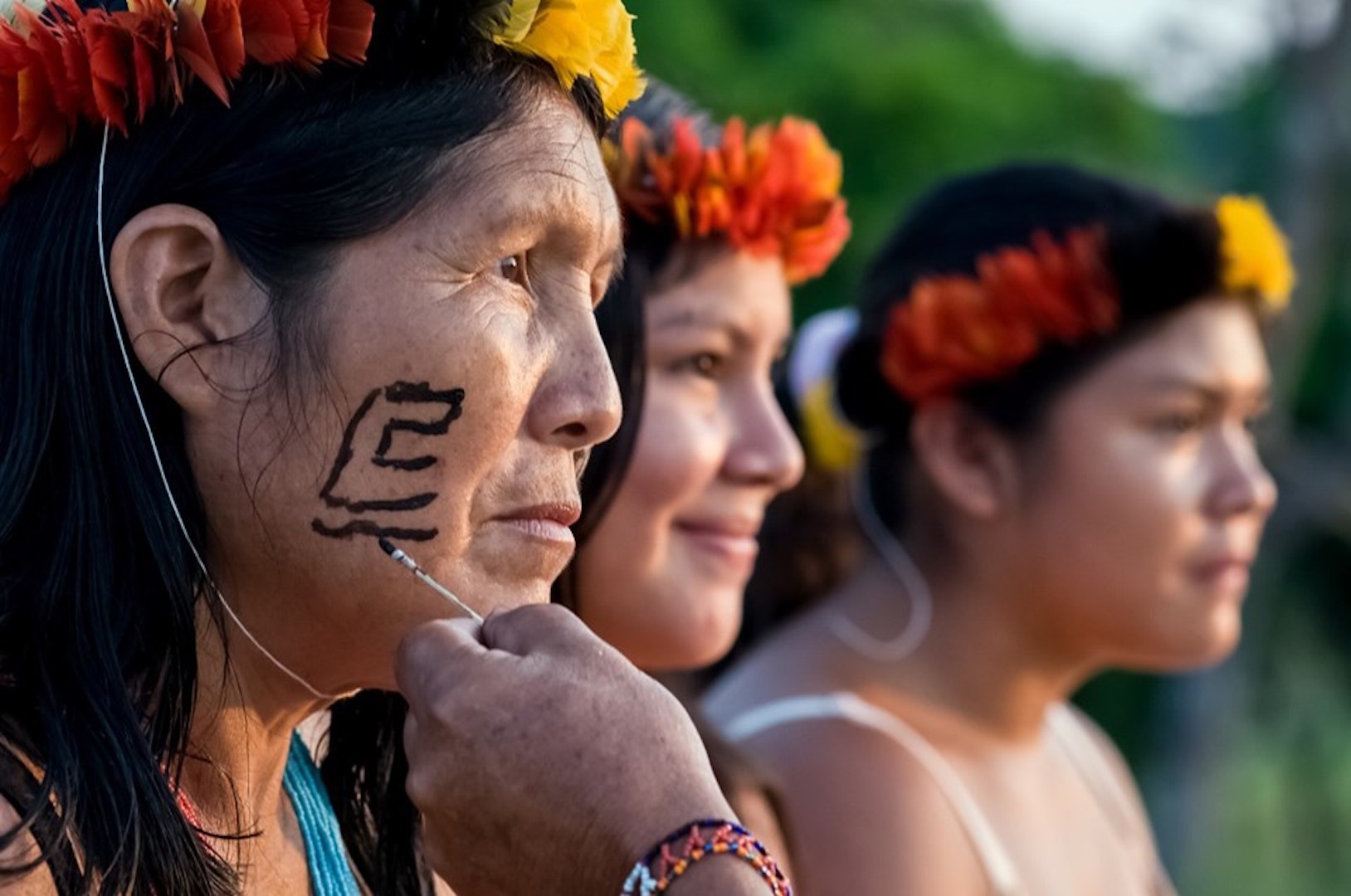
According to the Indigenous Missionary Council (CIMI) linked to Brazil’s Catholic Church, from January to September of 2019 there were 160 cases of invasion of 153 indigenous lands in 19 states.
Born in the Arariboia Indigenous Land, Guajajara is executive coordinator of the Brazilian Indigenous Peoples Association (APIB). In 2018, she was a vice-presidential candidate on the PSOL party ticket.
According to Guajajara, Bolsonaro is guilty of at least three crimes: genocide, when he incites the conflicts and makes it easy for Brazilians to purchase weapons; ethnocide, when he denies the right of indigenous to the territories; and ecocide, when he withdraws most of the restrictions laws currently in place to deforest an area, rendering licenses to large works in untouched, forested areas.
“By denying us our territories he is denying us the right to live our culture, our traditions,” she notes.
“When Bolsonaro says he won’t demarcate any more indigenous territory, when he says that the indigenous have to be integrated into society, he is bringing back a position from the times of military dictatorship, which wanted to impose (on indigenous) the ways of life, impose a standard of production and of society to single way of life for all peoples,” explains Guajajara.
“This idea of development of the Bolsonaro government and of other governments is to end everything, destroy everything. They are unable to understand that if they destroy everything they will destroying themselves,” concludes Guajajara.
More: Brazil news in English, every day from The Rio Times.
Editorial responsibility: Matthias Camenzind, Editor-in-Chief · Editorial standards · Report an error