India’s Air Force Struggles to Keep Pace with Regional Rivals
India’s air force faces a critical challenge as it grapples with a historic low in fighter squadron strength. The Indian Air Force (IAF) now operates just 31 fighter squadrons, far below its target of 42.
This shortfall raises concerns about India’s readiness for potential conflicts with Pakistan and China. The IAF’s current fleet consists of a mix of Russian, French, British, and Indian-made aircraft.
Su-30MKI fighters form the backbone of the force, with about 260 planes in service. The IAF also flies around 60 MiG-29s and 50 Mirage 2000s. Recently acquired Rafale jets have bolstered capabilities, but only 36 are in service.
Aging aircraft pose a significant problem for the IAF. Two squadrons of MiG-21 fighters will retire by 2025. Additionally, 120 Jaguar aircraft will phase out by 2030. These retirements further strain the already depleted force.
Several factors contribute to the IAF’s dwindling numbers. Delays in producing India’s indigenous Tejas fighters have slowed fleet modernization.
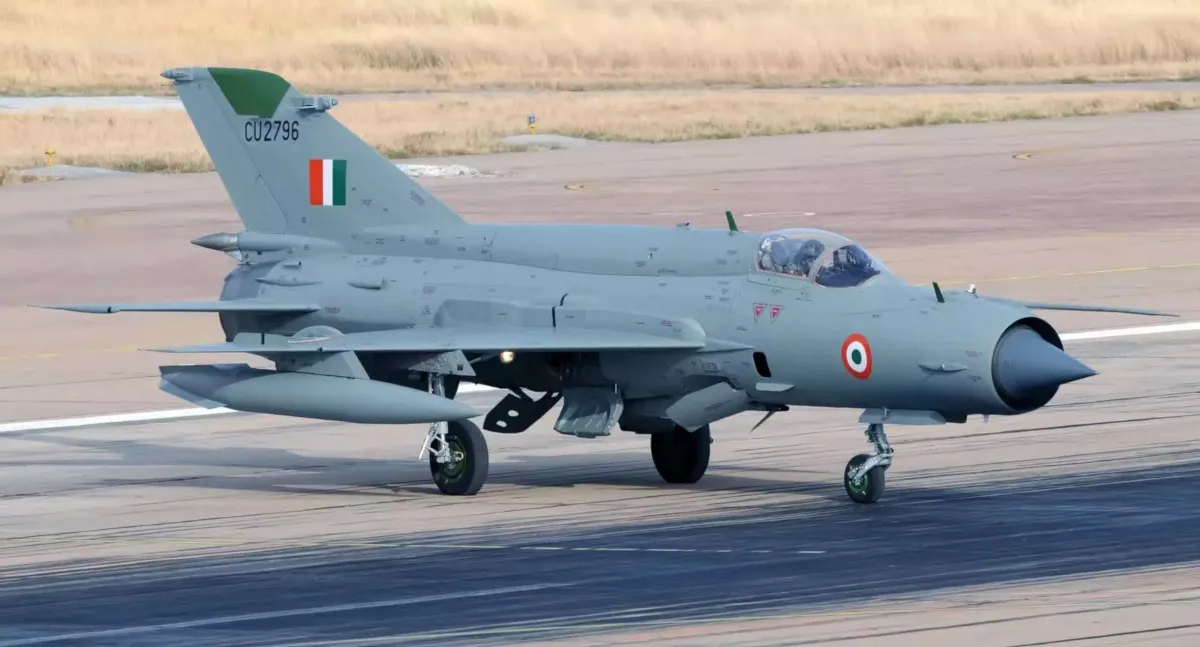
The retirement of old Soviet-era planes outpaces the arrival of new aircraft. Accidents and crashes have also reduced the number of available fighters.
Challenges Facing the Indian Air Force
India’s defense procurement process moves slowly, hindering rapid fleet expansion. Budget constraints limit large-scale acquisitions of new fighters. These issues combine to create a perfect storm for the IAF’s strength.
Air Chief Marshal V.R. Chaudhari has emphasized the need to boost fighter production. He suggests involving private companies to speed up manufacturing.
However, state-owned Hindustan Aeronautics Limited (HAL) faces ongoing delays in Tejas production. Supply chain issues, particularly with engines from General Electric, contribute to these setbacks.
The regional security landscape adds urgency to India’s air force challenges. China’s air force has modernized rapidly in recent years.
The People’s Liberation Army Air Force now deploys advanced J-20 stealth fighters near the Indian border. By 2030, China could field up to 44 squadrons of J-20s alone.
Pakistan, while currently outmatched by India’s Rafaels, seeks to acquire fifth-generation fighters. It may purchase Chinese FC-31 or Turkish KAAN aircraft in the future.
This potential upgrade to Pakistan’s air force concerns Indian military planners. India must prepare for the possibility of simultaneous conflicts with both Pakistan and China.
This two-front scenario requires a much larger air force than India currently possesses. The IAF‘s depleted strength leaves the country vulnerable in such a situation.
To address these shortcomings, India has initiated several modernization programs. The government has ordered 83 Tejas Mk1A fighters, with plans for 97 more.
A tender for 114 multi-role fighters to be made in India remains under consideration. India also pursues an indigenous fifth-generation fighter program called the Advanced Medium Combat Aircraft (AMCA).
Upgrades to existing Su-30MKI and Mirage 2000 fleets aim to extend their service lives. India has also formed partnerships with US companies like GE Aerospace for engine technology.
Balancing Modernization and Immediate Needs
These collaborations may support the AMCA program and other future projects. Despite these efforts, significant challenges persist. Development and procurement timelines stretch over many years.
India struggles to balance its “Make in India” goals with immediate operational needs. The country’s defense spending remains below 2% of GDP, limiting modernization efforts.
The IAF’s current squadron strength leaves India vulnerable to a potential two-front conflict. Advanced air defense systems like the S-400 provide some protection.
However, these defenses cannot fully compensate for the lack of offensive air power. Experts recommend several steps to address India’s air force challenges.
Accelerating Tejas production through multiple production lines could help. Involving the private sector more deeply in manufacturing might speed things up. Fast-tracking decisions on fighter acquisitions are crucial.
Increasing the defense budget, particularly for Air Force modernization, would provide needed resources. Deepening international partnerships could facilitate technology transfer in critical areas.
India must balance indigenous development with off-the-shelf purchases to meet immediate needs. As regional tensions persist and neighboring air forces modernize, India faces a critical period.
The decisions made in the coming years will shape the IAF’s capabilities for decades. India’s strategic posture in the region depends on successfully addressing these air force challenges.
This article was produced by The Rio Times’ automated newsroom system. How we use AI · Report an error
Read More from The Rio Times