How Digital Identity Enhances Fraud Prevention in Banking and Finance
(Sponsored) Online digital identity is the identity of an individual or organization made up of attributes that describe the characteristics of their demographics, behaviors, relationships, preferences, and credentials.
In the sphere of banking and finance, digital identity now plays an important role in fraud prevention and increases the trust between a customer and an institution.
The article goes on to explain why digital identity is important, how digital identities work, what some of the biggest fraud risks are in banking and finance, and finally, how to prevent fraud attempts, stop account takeovers, and create a smooth, seamless customer experience.
Key Fraud Risks Facing Banking and Finance
Financial institutions face fraud risks across customers, employees, and third parties. Some key fraud schemes include:
- Identity theft. The personal information is stolen by fraudsters to open fraudulent accounts, take out loans and file fake tax returns for refunds.
- Account takeovers. Phishing, skimming devices, or malware allow criminals to steal login credentials to existing bank or credit accounts.
- Transaction fraud. Funds are stolen or transferred through fake wire requests, compromised payment cards, or by intercepting legitimate transfers.
- Application fraud. Falsified information is used to open accounts, apply for loans, and credit cards to access funds.
- Insider fraud. Bank employees abuse their access to steal money, open fake accounts, or sell customer data.
- Money laundering. Criminals hide sources of illegally obtained money by transferring through complex sequences between accounts.
Losses from these fraud schemes are massive and increasing every year. AARP estimates that losses from financial account takeovers alone amounted to $13 billion in 2023. Meanwhile, based on current trends, global banking losses from cybercrime may exceed $350 billion.
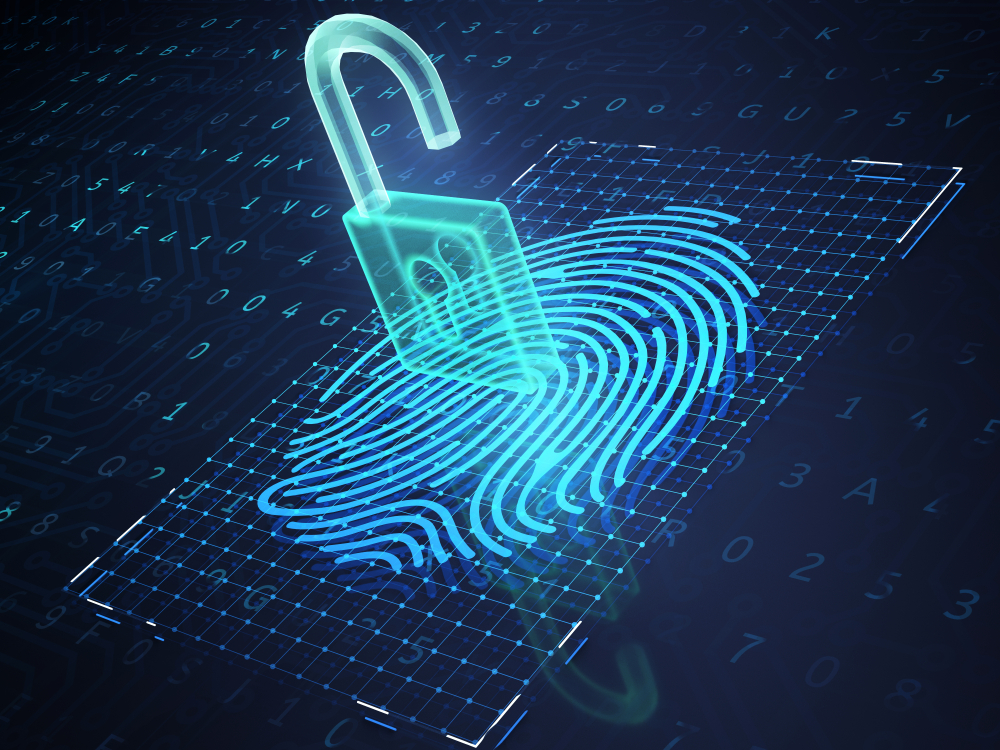
Digital Identity Enables Seamless Banking Experiences
Done right, state-of-the-art digital identity platforms all but eliminate friction and customer awareness of fraud prevention safeguards happening in the background.
Leading financial providers now leverage sophisticated identity engines to enable seamless user experiences like:
- Instant account creation using online government ID verification
- Passwordless biometric logins via face and fingerprint scanning
- Behavioral profiling replacing reliance on static passwords
- Invisible step-up authentication using biometrics
- Real-time transaction risk analysis without disrupting customers
- Secure customer self-service to unlock accounts
Implementation of these emerging technologies will accelerate over the next five years as finance undergoes digital transformation.
Emerging Digital Identity Capabilities Transforming Banking & Finance
Over the next five years, various emerging digital identity technologies will shape fraud prevention and user experiences in financial services.
Federated Identity Models
Digital identity data can be safely shared between financial institutions through recognized standards under the framework of federated identity models. This provides better visibility into fraud detection and speeds up onboarding.
Distributed Ledger Technology
Blockchain and distributed ledgers allow for the creation of tamper-proof, decentralized digital identity records shared across networks. This helps prevent identity forgery and makes credential compromise more difficult.
Biometric Authentication Advancements
The growing ubiquity of fingerprint, face, voice, and iris recognition on mobile devices allows banks to validate identity through biometrics easily and securely.
Conclusion
As banking and financial services continue rapidly digitizing, threats of fraud and cybercrime present major challenges.
Digital identity technology presents a smart solution to authenticate users without interruption, assess risks and attack attempts, and serve users to pass their time effortlessly.
LatAm Markets: Live Signals → — real-time movers, turnover leaders and FX across Latin America.