Honduras Ex-Leader Hernández Freed Pending Fraud Trial
Politics: Tegucigalpa
Key Facts
—Ruling. On 3 August 2026, a Honduran court rejected prosecutors’ request for pretrial detention and ruled that former president Juan Orlando Hernández will face the Pandora II case in freedom, under conditions.
—Not an acquittal. The decision concerns only whether he awaits trial in custody; no court has ruled on the merits of the fraud and money-laundering accusations, which he denies.
—Conditions. The court barred him from leaving the country, placed him under his defense team’s supervision with weekly reporting, and set a caución juratoria, a sworn undertaking to appear.
—Next step. The decisive initial hearing (audiencia inicial) is scheduled for 12 August 2026, when the court will weigh evidence and decide whether the case advances toward trial.
—Background. Hernández, president from 2014 to 2022, was convicted in the United States in 2024 and sentenced to 45 years, then pardoned by President Donald Trump in December 2025 and released from US custody.
A Honduran court has ruled that former president Juan Orlando Hernández will face fraud and money-laundering charges from outside jail, a procedural release that is not an acquittal, with the decisive hearing set for 12 August.
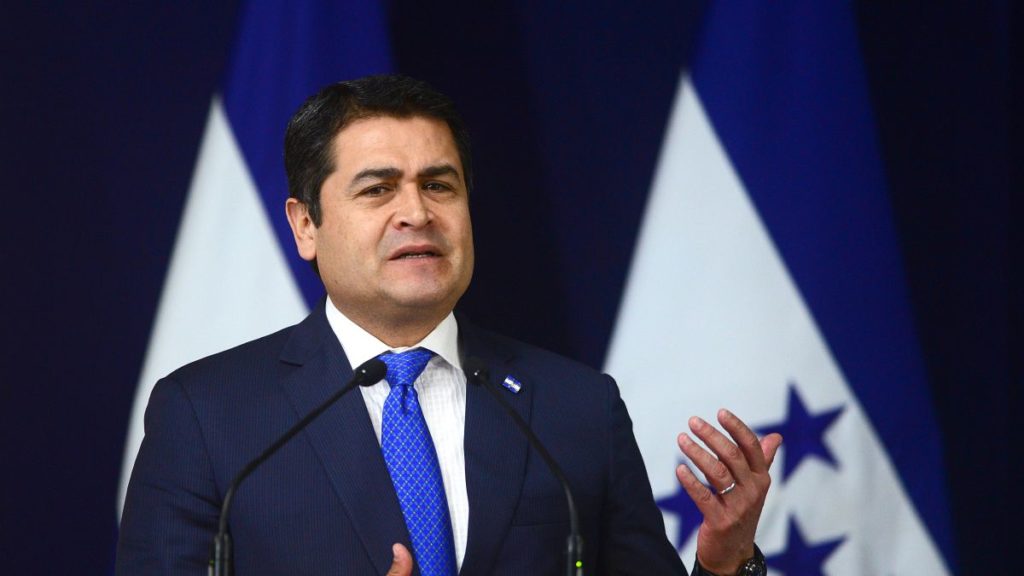
What the Court Decided in the Hernández Case
On Monday, 3 August 2026, a specialized Honduran court — the criminal court for organized crime, environmental matters and corruption — rejected a request by the Public Ministry, the state prosecution service, to hold former president Juan Orlando Hernández in pretrial detention. Instead, the judge ruled that he may remain at liberty while the Pandora II case moves forward, according to Honduran outlets and international news agencies covering the session.
The release came with conditions. The court ordered that Hernández may not leave the country, that he remain "under the care and surveillance" of his defense team, and that his lawyers file a weekly report on his situation. He was also placed under a caución juratoria, a sworn undertaking to appear when summoned. These measures are precautionary and can be revisited by the court.
Prosecutors had argued for custody; the defense sought freedom. The judge sided with the defense on that narrow question. Crucially, the ruling addresses only where Hernández waits — not whether he is responsible for any crime.
The Pandora II Case, Explained
The Pandora II file was opened by Honduran authorities in 2023. Prosecutors accuse Hernández, now 57, of fraud and money laundering tied to the alleged diversion of roughly US$10.8 million into two foundations between 2010 and 2013, when he presided over the Honduran Congress, before his two terms as president from 2014 to 2022.
The accusations have not been tested at trial, and Hernández denies wrongdoing. Under Honduran procedure, an accused person is presumed innocent until a court rules otherwise, and the current stage is preliminary. Nothing decided on 3 August speaks to the truth of the allegations.
For readers outside the region, "Pandora" refers to a broader anti-corruption investigation in Honduras that has produced several cases over the years. The "II" simply denotes a distinct file within that larger inquiry.
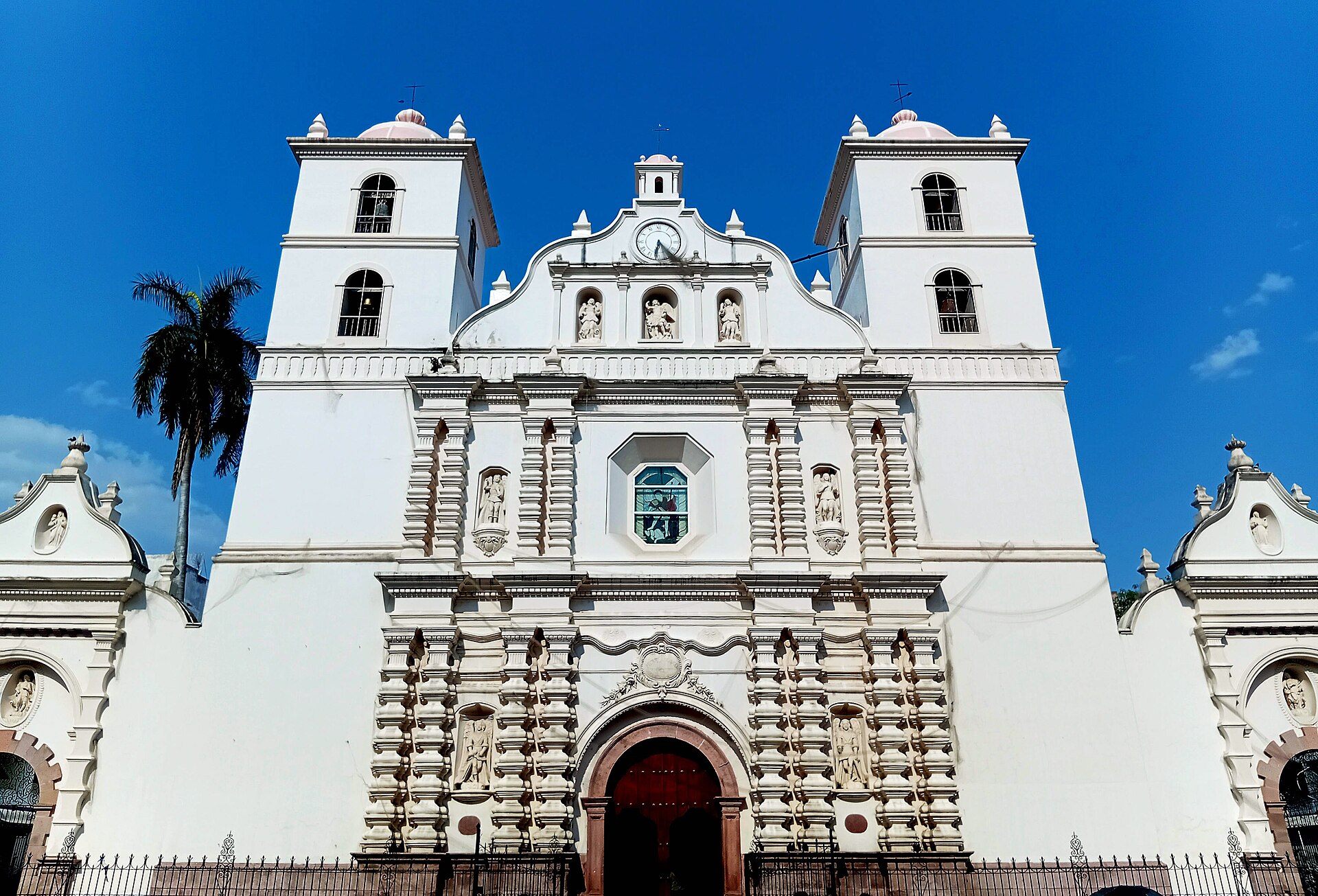
Not an Acquittal: Why the Distinction Matters
It would be easy to read headlines about Hernández walking free as a form of vindication. That reading would be wrong. Being tried in freedom, rather than from a cell, is a common feature of many justice systems and says nothing about the eventual verdict.
An acquittal is a court’s finding that the prosecution has not proven its case. What happened here is different: the court declined to jail him before trial and imposed monitoring conditions instead. The charges remain live, and the process continues.
The distinction matters legally and reputationally. Conflating pretrial release with exoneration risks misstating the record — something a neutral account must avoid. The only safe summary is procedural: he awaits trial without being detained.
From a US Prison to a Presidential Pardon
Hernández’s legal saga is unusual because it has unfolded on two fronts. In the United States, a federal jury in Manhattan convicted him in 2024 of conspiring to import cocaine and of related firearms offenses. A US judge sentenced him to 45 years in prison and imposed an US$8 million fine. He maintained his innocence throughout that trial.
In late 2025, the picture changed. President Donald Trump announced on 28 November that he would pardon Hernández, and formally granted a full pardon on 1 December 2025, after which the former president was released from US custody. The pardon drew criticism from lawmakers in both US parties, some of whom said it undercut Washington’s own anti-narcotics stance.
A US presidential pardon removes the federal punishment; it does not, by itself, resolve separate proceedings in Honduras. That is why Hernández, freed from a US sentence, still faces a domestic case at home — and why he has been publicly active again since his return.
What Happens on 12 August
The next and more consequential step is the audiencia inicial, or initial hearing, scheduled for 12 August 2026 in Honduras. Local reports place it in the sixth courtroom of the sentencing tribunal, with proceedings beginning in the morning, local time.
At that hearing, the court is expected to review the evidence presented by prosecutors and the arguments of the defense, then decide whether the case advances toward a full trial. It is the moment when the direction of the Pandora II process becomes clearer.
Until then, the 3 August decision simply sets the terms under which Hernández awaits that hearing. Both sides have signalled they will contest the case vigorously.
Why the Case Resonates Beyond Honduras
For foreign residents and observers across Central America, the case is a barometer of how Honduras handles accountability for its most powerful former officials. Hernández governed for eight years and remains a polarizing figure at home.
The parallel US and Honduran tracks also illustrate how cross-border justice can diverge. A conviction and a pardon abroad do not automatically settle matters domestically, and the reverse is equally true. Expats following regional politics will find the interplay instructive.
This report describes the procedural facts as they have been established, without characterizing guilt or innocence, which remains for the courts to determine.
Frequently Asked Questions
Was Juan Orlando Hernández acquitted?
No. A Honduran court on 3 August 2026 only declined to hold him in pretrial detention and allowed him to face the Pandora II case in freedom under conditions. No court has ruled on the merits of the fraud and money-laundering accusations, which he denies.
What is he accused of in Honduras?
Prosecutors accuse him of fraud and money laundering linked to the alleged diversion of about US$10.8 million into two foundations between 2010 and 2013. The accusations are unproven and remain before the court.
Why is he not in US prison?
A US jury convicted him in 2024 on drug and firearms charges and he was sentenced to 45 years, but President Donald Trump granted him a full pardon on 1 December 2025, and he was released from US custody.
Sources
Infobae · La Prensa (Honduras) · The Washington Times · CNN · FactCheck.org
Connected Coverage
More context on courts, elections and cross-border affairs for foreign residents in the region.
Sources: Infobae, La Prensa (Honduras), The Washington Times, CNN, FactCheck.org.
This article was produced by The Rio Times’ automated newsroom system. How we use AI · Report an error
Read More from The Rio Times