Guyana Banked $2bn of Oil Money in Six Months. The Field Made $12bn

Energy
Key Facts
—The receipt. Guyana banked $1.996bn of oil money between January and June 2026, according to two notifications published in the Official Gazette.
—The split. Profit oil delivered $1.779bn, roughly 90% of the total, while royalties contributed $218.4m.
—The acceleration. First-quarter receipts were $761.7m; the second quarter brought about $1.24bn, a jump of roughly 63%.
—The gap. Kaieteur News estimates the Stabroek block itself generated about $12.3bn in the same six months, which would put the state’s share near 16%.
—The pace. Six months of receipts already equal about 71% of the $2.79bn the government projected for the whole of 2026.
—The law. A finance minister who fails to gazette a petroleum receipt within 30 days faces a fine and up to six months’ imprisonment under the Natural Resource Fund Act.
Guyana oil revenue reached almost two billion dollars in the first six months of this year. The figure was disclosed not in a press release but in the country’s Official Gazette. The number is a record, yet it also shows how much of the oil still belongs to somebody else.
Two notifications published in the Official Gazette under Guyana’s Natural Resource Fund Act show the flow of money. Nearly two billion dollars entered the country’s sovereign wealth fund between January and June. The first notice covered the opening quarter and recorded $761.7m.
The second, published this month and first reported by OilNOW, added roughly $1.24bn for the April-to-June period. Together, the two filings describe a state income growing faster in six months than most economies manage in a decade.
For a country of under a million people, the pace is startling. In half a year Guyana has collected about 80% of everything it earned from oil across the whole of last year.
What the Guyana oil revenue figure does not say
Here is the part that rarely makes the headline. The two billion dollars is what the state received, not what the oil was worth. The Stabroek block, operated by ExxonMobil, sold a great deal more crude than that.
The Guyanese newspaper Kaieteur News offers an estimate. At roughly 900,000 barrels a day and prices near eighty dollars, the block generated about $12.3bn in the first half. Set the gazetted receipt against that estimate, and Guyana’s take works out near 16% of the crude sold.
That comparison is ours, not an official statistic. It pairs an audited receipt with a newspaper’s model of gross output. The direction, though, is not in doubt, and the reason is written into the contract.
Under the production sharing agreement signed in 2016, Guyana takes a two percent royalty on everything pumped. It also takes half of what is called profit oil.
Profit oil is what remains after the companies have deducted their costs. They may deduct up to three-quarters of the oil produced in any period until those costs are repaid. The consortium spent tens of billions building the fields, so for years the deduction has run near its ceiling.
The cost meter is nearly empty
This is why the coming months matter more than the headline number. An ExxonMobil executive said the recoverable cost balance stood above fifty-five billion dollars at the end of 2025. Of that, around fifty-one billion had been recouped.
Roughly four and a half billion dollars remained. Against a field throwing off cash at the rate the gazette implies, that balance is small. The executive suggested it could be cleared within the year.
When it clears, the split changes and Guyana begins taking its full half of profit oil. That is the moment the country has awaited since the first barrel was lifted in December 2019.
There is a catch that Guyanese critics return to constantly. The contract has no ring-fencing clause, so a brand-new project’s costs can be charged against an old project’s revenue. The Uaru development starts producing before year-end, and each new build can refill the cost meter as the old one empties.
Our reporting has shown that this structure channels the bulk of the windfall to the operators long after discovery costs are recovered. In 2020, The Rio Times examined how the pandemic and the terms of the Stabroek deal were already crushing early dreams of a transformative state bonanza, a pattern that critics say the absence of ring-fencing prolongs.
Why a gazette notice matters
Foreign readers can be forgiven for skipping past the words Official Gazette. In Guyana the phrase carries unusual weight, because the disclosure is not a courtesy but a legal duty.
The Natural Resource Fund Act obliges the finance minister to publish every petroleum receipt in the gazette within 30 days of the money arriving. A minister who fails to do so faces a fine and up to six months’ imprisonment.
The provision followed a bitter fight over an earlier version of the law. The International Monetary Fund has cited the practice when praising Guyana’s fiscal transparency. The money itself sits at the Federal Reserve Bank of New York, and nothing leaves it without a vote in the National Assembly.
Where Guyana oil revenue goes next
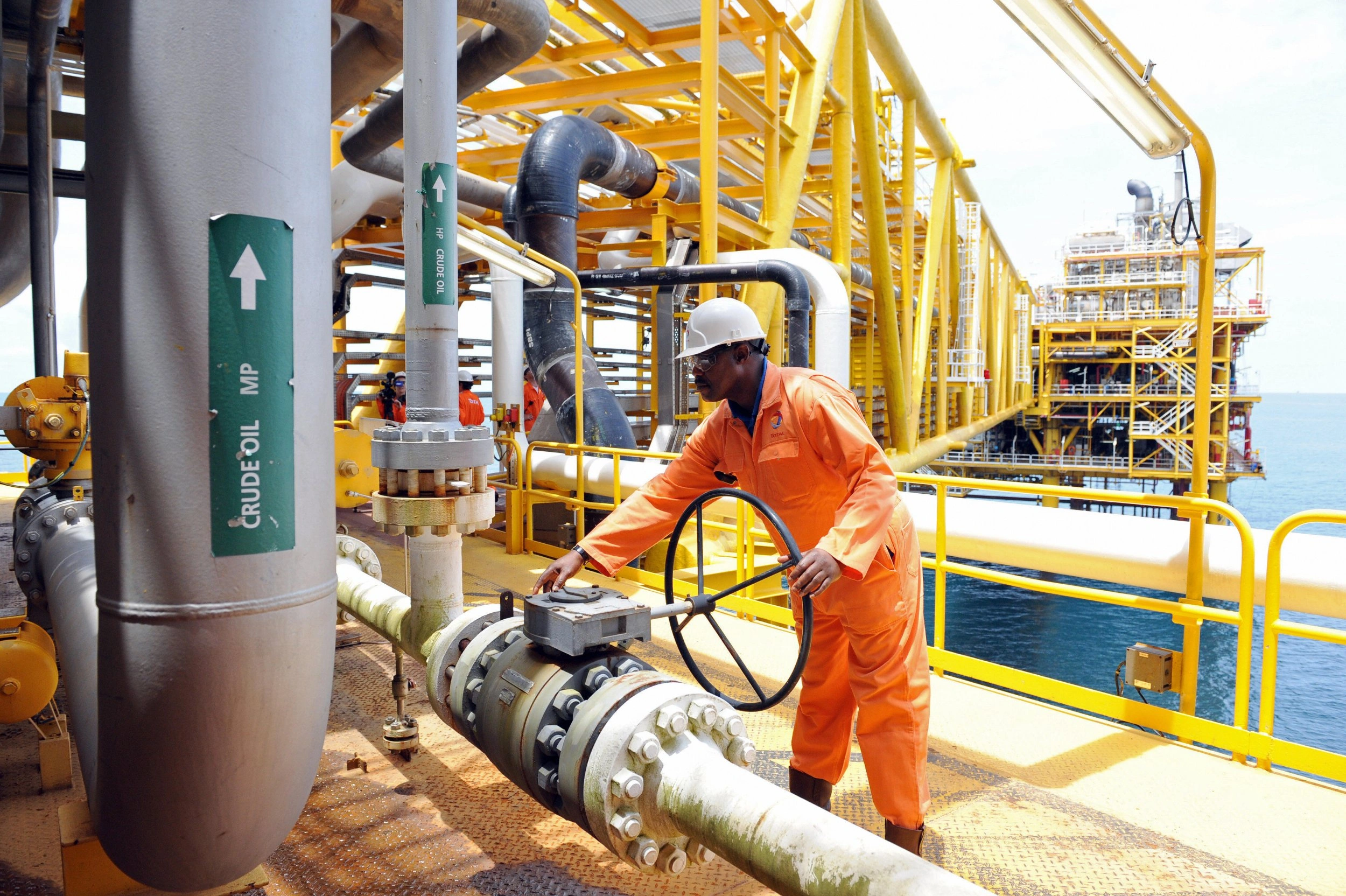
Production averaged about 903,000 barrels per day in April 2026 and about 911,000 barrels per day over the first four months of 2026. The oil came from four floating vessels: Liza Destiny, Liza Unity, Prosperity and ONE GUYANA. A fifth should lift output past a million barrels a day.
Parliament approved a withdrawal of $2.37bn this year to help pay for a record national budget. That transfer covers roughly a third of all government spending.
For an investor in London or Munich, the forward signal sits in the gap between the two numbers in this article. If the cost meter clears and no new project refills it, the gazetted receipt should climb sharply toward the gross the field actually earns.
If it does not, pressure to renegotiate a contract many Guyanese already consider too generous will grow louder. Either way, the numbers will appear first in a legal notice, not a speech.
How much did Guyana oil revenue reach in the first half of 2026?
Guyana received just under two billion dollars, or $1.996bn, in petroleum revenues between January and June 2026. The figure comes from two notifications published in the Official Gazette. They cover profit oil and royalty payments from the Stabroek block.
Why does Guyana receive only a fraction of the oil sold?
Under the 2016 production sharing agreement, the operators may deduct up to three-quarters of the oil produced. This lets them recover the tens of billions they spent building the fields. Guyana takes a two percent royalty plus half of whatever profit oil remains, so its share stays modest until those costs are fully repaid.
What is the Natural Resource Fund?
It is Guyana’s sovereign wealth fund, created by law. It is held in an account at the Federal Reserve Bank of New York under the Bank of Guyana. Every dollar of oil money is paid into it first, and money may only be withdrawn with the approval of the National Assembly.
Connected Coverage
Guyana Oil Profits: Billions Left Before the Full State Share
Guyana Natural Resource Fund Withdrawal Falls in 2026
Two of Guyana’s Three Oil Partners Have Put In No Cash for Two Years
More: Latin America news in English, every day from The Rio Times.
Frequently Asked Questions
How much oil money did Guyana actually receive in the first half of 2026?
Guyana received just under $2 billion — specifically $1.996 billion — between January and June 2026. About 90% of that came from profit oil, with the remaining $218.4 million coming from royalties.
Why does Guyana only get about 16% of what its oil fields actually earn?
The production sharing agreement lets the oil companies deduct up to three-quarters of oil produced to recover their costs until those costs are fully repaid. This sharply reduces Guyana’s share of profit oil. The Stabroek block is estimated to have generated around $12.3 billion in the same six months, but Guyana’s take worked out to roughly 16% of that.
What happens when the oil companies finish recovering their costs?
Once the remaining roughly $4.5 billion in unrecovered costs is cleared, Guyana will start receiving its full half of profit oil. That would sharply increase the country’s share of revenue. However, a new project called Uaru is set to start producing before year-end, and its costs could refill the cost meter under the current contract.
This article was produced by The Rio Times’ automated newsroom system. How we use AI · Report an error · Editorial responsibility: Matthias Camenzind, Editor-in-Chief