Gold’s Glitter Intensifies: US and Germany Gain Most as Prices Soar Amid Global Tensions
The world watches as gold prices reach unprecedented heights, touching $2,685 per ounce. This surge follows Iran’s recent attack on Israel, sparking renewed interest in the precious metal.
Gold has long been viewed as a safe haven during turbulent times. Its value tends to rise when global conflicts escalate or economic uncertainties loom.
The United States and Germany stand to gain the most from this price increase. These nations hold the largest gold reserves globally.
The US tops the list with a staggering 8,133 tonnes of gold. Germany follows with 3,352 tonnes. Italy, France, and Russia round out the top five reserve holders.
Analysts have adjusted their predictions for gold‘s performance in 2024. Some experts now believe the price could reach $3,000 per ounce by year’s end.
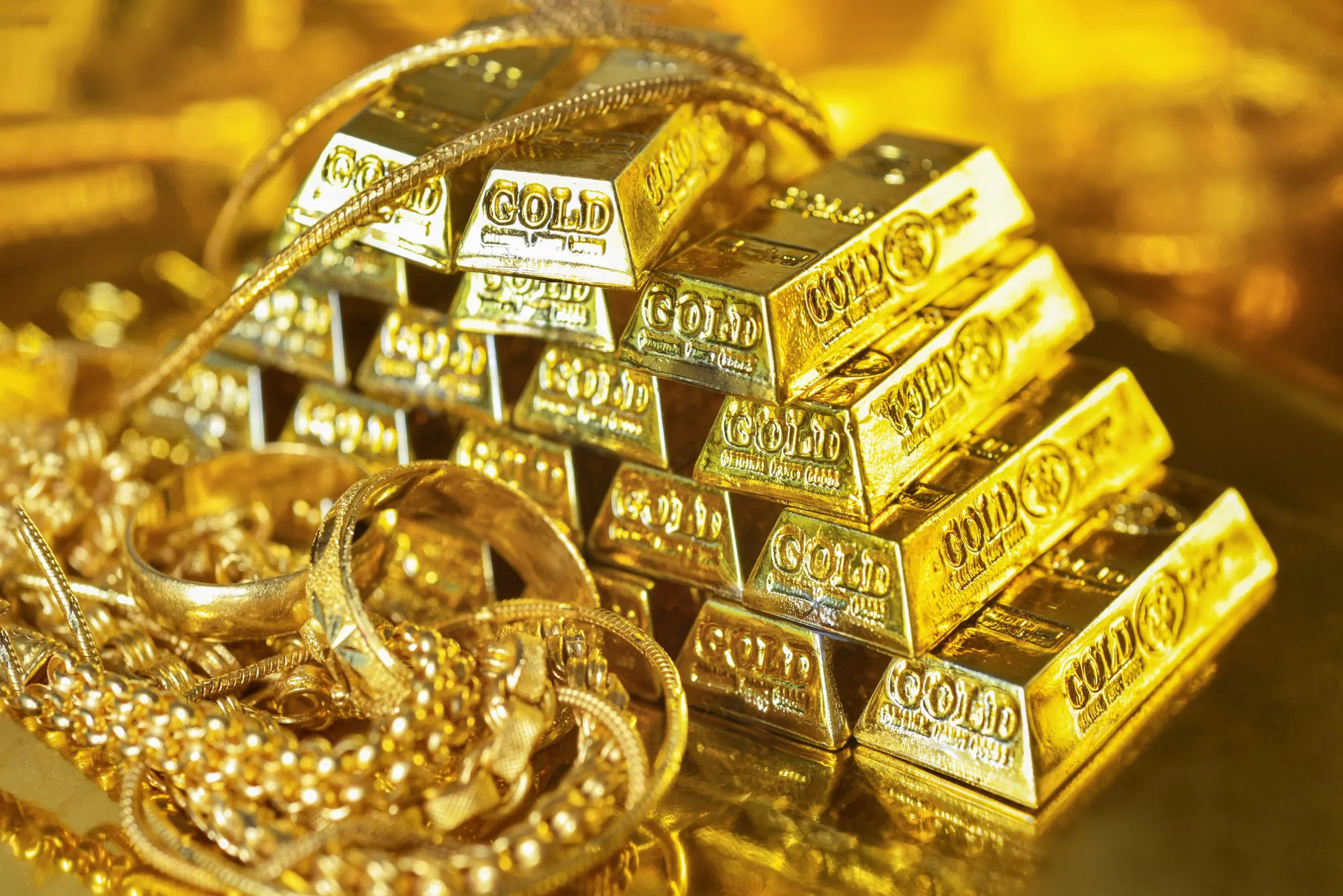
This optimistic outlook stems from various factors. Ongoing geopolitical tensions, increased investment in gold ETFs, and potential interest rate cuts contribute to the bullish sentiment.
China plays a unique role in the global gold market. It ranks sixth in reserves but leads the world in production. In 2023, China produced 370 tonnes of gold.
The country has also been actively increasing its holdings. Last year, the People’s Bank of China purchased 225 tonnes of gold.
The Gold Landscape in Latin America
Latin American countries lag behind in gold reserves. Venezuela holds the most in the region with 161 tonnes. Brazil and Mexico follow, but their reserves pale in comparison to global leaders.
Colombia’s modest 4.68 tonnes places it tenth among Latin American nations. Gold production tells a different story for some countries. Canada, for instance, ranks fourth in production but holds no significant reserves.
Mexico shines as the seventh-largest producer worldwide. Peru and Brazil also contribute substantially to global gold output.
The current gold rush has far-reaching implications. Countries with large reserves may see their wealth increase dramatically.
This shift could influence global economic dynamics and currency values. Investment patterns might change as more people turn to gold for financial security.
Central banks, especially in emerging economies, have shown growing interest in gold. This trend could further support high prices in the medium term.
The mining industry may also see a boost as higher prices make exploration more profitable. As the world grapples with ongoing conflicts and economic uncertainties, gold’s allure remains strong.
Its price serves as a barometer for global stability. Countries with significant reserves or production capabilities stand to benefit most from this golden opportunity.
The coming months will reveal whether gold continues its upward trajectory. Investors, economists, and world leaders will closely monitor its performance.
Gold’s story intertwines with broader narratives of global power, economic stability, and geopolitical maneuvering. As tensions persist, the precious metal’s role on the world stage may only grow more prominent.
This article was produced by The Rio Times’ automated newsroom system. How we use AI · Report an error
LatAm Markets: Live Signals → — real-time movers, turnover leaders and FX across Latin America.
Read More from The Rio Times