Global Shipping Faces Unprecedented Price Hike
Global carriers are experiencing rising freight costs due to necessary detours around the Suez and Panama Canals.
Larger Suezmax tankers, which navigate the Suez Canal fully laden, now avoid the Red Sea due to attacks. This decision leads to soaring charter costs.
Similarly, long-range tankers, moving about 600,000 barrels of oil, have seen increased rates.
They typically traverse the Suez and Panama Canals. Recent diversions due to high water levels in the Panama Canal have caused congestion and delays.
Recent conflicts, notably in the Red Sea, have heightened tensions in the maritime industry.
Various vessels, from oil tankers to container ships, have become targets. This situation has disrupted the market for Suez-specific vessels and smaller ships, extending their travel time.
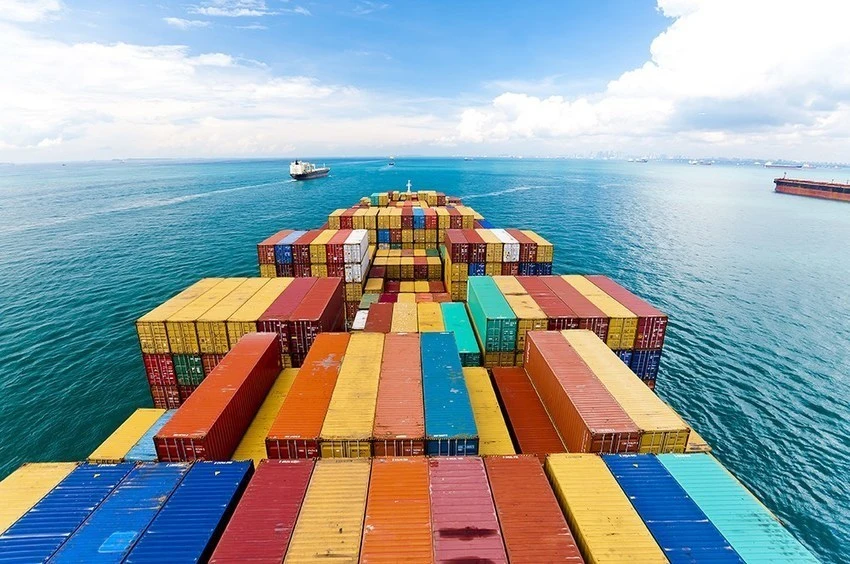
This week, the rate for chartering a Suezmax tanker spiked significantly. Brokers noted a jump from 75 to 85 points to over 90 on the global scale.
These points reflect a percentage of a fixed rate for specific routes and vary with the market.
Long-range tanker rates also hit a yearly high. Data from the Baltic Exchange confirms this increase for routes from the Middle East to Northwest Europe.
Between January and November, a daily average of 8.2 million barrels of crude and oil products navigated through the Red Sea.
This traffic is a mix of 30 tankers passing through Bab el Mandeb and 26 through the Suez Canal.
These numbers, provided by Vortexa, highlight the vital role of these waterways in global trade.
Background
Comparatively, the Asian and European shipping lanes have remained more stable. The stability is due in part to less geopolitical tension and shorter routes.
However, these regions are not immune to global trends and may see similar challenges if conflicts arise or climate issues worsen.
In contrast, routes through the Straits of Malacca and the South China Sea have seen less volatility.
These areas, while busy, have benefited from coordinated international efforts to maintain security and flow.
Benchmarking against the crisis period of early 2020 shows that current rate increases are unprecedented.
Such comparisons emphasize the extreme nature of today’s market conditions. The impact on global trade is significant.
Higher shipping costs can lead to increased prices for goods worldwide. This effect is especially pronounced for oil-dependent industries and regions.
More: Brazil news in English, every day from The Rio Times.
This article was produced by The Rio Times’ automated newsroom system. How we use AI · Report an error
Read More from The Rio Times