Global Economy Briefing — June 24, 2026
The 2-year US yield reached its highest since early 2025 as rate-hike talk rattled markets. Nasdaq fell 2.21% on a global chip rout. Key data inside.
Rio Times Global Economy Briefing
The Big Three
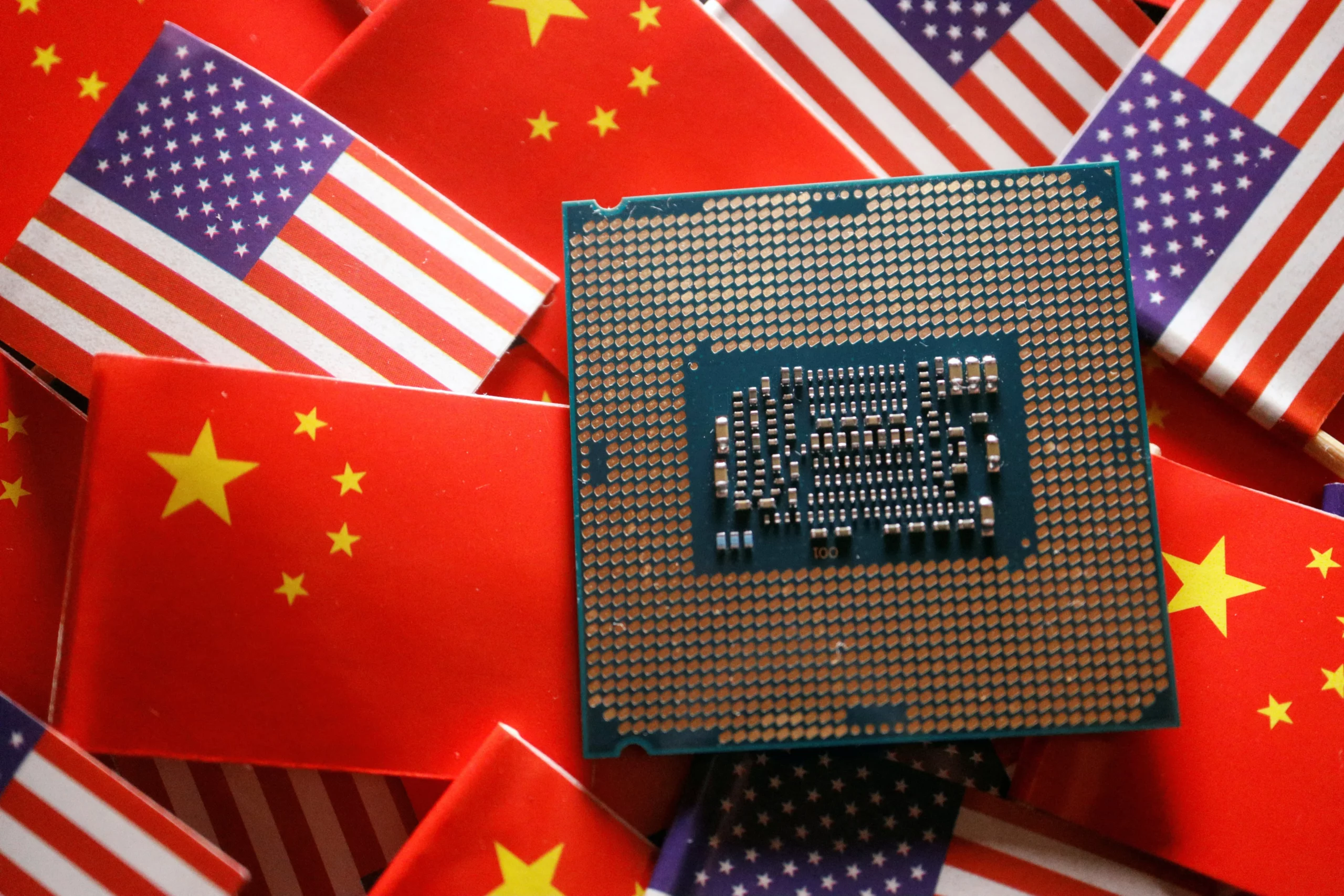
- A global chip rout. Semiconductor stocks tumbled worldwide after South Korea’s market fell nearly 10%, dragging the Nasdaq down 2.21% in a second day of heavy tech selling.
- Yields hit a multi-year high. The two-year US government bond yield rose to its highest since early 2025, as fresh talk of a rate increase unsettled markets.
- Brazil explains its cut. The central bank published the minutes of its meeting, setting out why easing inflation and a calmer world gave it confidence to begin lowering rates.
| Release | Actual | Consensus | Verdict |
|---|---|---|---|
| S&P Global Manufacturing PMI (Jun) | 55.7 | 54.6 | Strong |
| S&P Global Services PMI (Jun) | 51.3 | 51.1 | Expanding |
| Richmond Manufacturing Index (Jun) | 4 | 8 | Slumped |
| 2-Year Note Auction | 4.189% | 4.071% prev | Weak demand |
| Release | Actual | Consensus | Verdict |
|---|---|---|---|
| German Composite PMI (Jun) | 48.0 | 49.9 | Contracting |
| German Services PMI (Jun) | 46.8 | 49.0 | Weak |
| Eurozone Composite PMI (Jun) | 49.5 | 49.1 | Near-stagnant |
| UK Services PMI (Jun) | 48.7 | 50.1 | Contracting |
| Release | Actual | Consensus | Verdict |
|---|---|---|---|
| Brazil Copom Minutes | Released | — | Explained the cut |
| Mexico Economic Activity (YoY, Apr) | 2.30% | 1.90% | Strong beat |
| Argentina GDP (YoY, Q1) | 2.3% | 1.7% | Beat |
| Australia Core Inflation (YoY, May) | 4.00% | 4.30% | Cooled |
| India Services PMI (Jun) | 57.3 | 59.8 prev | Strong |
01 A worldwide sell-off in chip stocks
The doubts that have nagged at technology shares for several days hardened into a global sell-off. It began in Asia, where South Korea’s stock market — heavily weighted toward semiconductor companies — fell nearly 10% overnight. The wave rolled westward, dragging chipmakers lower across Europe and the United States.
By the close, the Nasdaq had fallen 2.21% and the S&P 500 1.44%. Memory-chip makers were hit hardest: Micron, Western Digital and Qualcomm all dropped sharply. The selling was amplified by a note from Bank of America warning of the risk of a US rate increase, which sent the two-year government bond yield to its highest level since early 2025.
Yet this was not a wholesale panic. About half of all US shares actually rose, as investors shifted money into steadier, less glamorous companies — the data-storage firm Public Storage, the technology veteran IBM and the consultancy Accenture all gained. The pattern was one of rotation under stress: not investors fleeing the market, but reshuffling away from the crowded, expensive corners of it.
02 Brazil sets out its case, with oil still on its side
While Wall Street wrestled with its technology giants, Brazil’s central bank offered a window into its thinking. The minutes of the meeting at which it cut interest rates laid out the reasoning: inflation easing on the back of cheaper fuel, a cooling but resilient economy, and a global backdrop made calmer by the end of the Iran conflict.
The timing of those minutes could hardly have been more fitting, because oil kept falling — US crude slipped toward $73 a barrel, near where it traded before the war. Every dollar of decline reinforces the central bank’s logic, since cheaper fuel is the surest route to lower Brazilian inflation and the strongest argument for continuing to ease.
The wider region offered support too. Mexico’s economy grew a stronger-than-expected 2.3%, and Argentina’s expanded 2.3%, both signs of resilience across Latin America. The one cloud is the same as ever: rising US bond yields and talk of a Fed rate increase keep the dollar attractive and can pull money from emerging markets. But with oil falling, inflation cooling and the region growing, Brazil’s decision to cut looks steadily better justified — exactly the message its minutes were designed to convey.
Live Market IntelligenceGlobal Markets — Live Board
Rio Times · Live Market Intelligence
Global Markets — Live Board
+0.29%
| Instrument | Last | Change | YoY | Prev. | High | Low | Volume |
|---|---|---|---|---|---|---|---|
| SPX | 7,751 | +0.29% | — | — | — | — | — |
| NDX | 29,799 | +0.93% | — | — | — | — | — |
| DJI | 53,810 | +0.03% | — | — | — | — | — |
| RUT | 3,041 | +0.46% | — | — | — | — | — |
| US10Y | 4.6760 | -0.17% | — | — | — | — | — |
| VIX | 14.60 | -4.45% | — | — | — | — | — |
| DAX | 26,331 | -0.23% | — | — | — | — | — |
| FTSE | 10,833 | -0.10% | — | — | — | — | — |
| CAC | 8,675 | -0.46% | — | — | — | — | — |
| STOXX | 659.48 | -0.16% | — | — | — | — | — |
| NIKKEI | 67,524 | +0.83% | — | — | — | — | — |
| HSI | 25,440 | -0.83% | — | — | — | — | — |
| KOSPI | 6,579 | +3.68% | — | — | — | — | — |
| CSI300 | 4,691 | +0.58% | — | — | — | — | — |
| NIFTY | 24,436 | -0.15% | — | — | — | — | — |
| TSX | 36,619 | +0.39% | — | — | — | — | — |
| GOLD | 4,461 | +1.78% | +33.20% | 4,383 | 4,503 | 4,421 | 139,824 |
| SILVER | 65.59 | +1.26% | +73.05% | 64.77 | 66.98 | 64.81 | 46,406 |
03 The paradox — a strong economy that the market fears
The day’s economic data told a story almost opposite to the market’s mood. Surveys of American business activity came in strong, with manufacturing expanding at its fastest pace in months and the wider economy growing solidly. In Europe, by contrast, the picture was bleak: German and British activity slipped into contraction.
One might expect strong American data to lift US shares and weak European data to sink European ones. The reverse risk is now in play. A robust US economy is precisely what keeps the Federal Reserve leaning toward higher interest rates, which is what drove bond yields up and technology shares down. A weak European economy, meanwhile, gives its central banks room to be gentler. The lesson of recent weeks holds: in a world where investors fear tighter policy above all, economic strength has become something the stock market flinches at — even as that strength is, for the wider economy, unambiguously good news. A separate reminder of technology’s disruptive force came from Oracle, which revealed it had cut some 21,000 jobs over the past year as artificial intelligence reshaped its workforce.
04 What to watch today and this week
- Wednesday: US new home sales, after the recent sharp drop in housing construction.
- Thursday: The Federal Reserve’s preferred inflation gauge, the clearest test yet of whether falling oil is bringing price pressures down.
- Thursday: US economic growth figures and durable goods orders, for a fuller read on the economy’s momentum.
- This week: Whether the sell-off in chip stocks deepens or steadies, after a sharp two-day fall that began in Asia.
- This week: The path of oil, now near pre-war levels, as Middle East peace talks aim for a final deal within two months.
Background: our el nino guide.
Background: our bolivia economy elections guide.
Frequently Asked Questions
What caused the global sell-off in chip stocks?
It started in South Korea, whose stock market fell nearly 10% overnight, led by its large semiconductor companies. Because chipmakers worldwide are closely linked, the selling spread quickly to Europe and the United States, hitting memory-chip makers such as Micron, Western Digital and Qualcomm hardest. A note from Bank of America warning about the risk of a US interest-rate increase added to the pressure. The technology-heavy Nasdaq fell 2.21%, its second sharp drop in a row.
Why did government bond yields rise to a multi-year high?
Bond yields rise when investors expect interest rates to stay high or increase. A Bank of America note raising the prospect of a US rate hike, combined with the Federal Reserve’s recent hawkish turn, pushed the two-year Treasury yield to its highest since early 2025. Higher yields make borrowing more expensive across the economy and reduce the appeal of shares — particularly fast-growing technology companies whose value rests on future profits — which is part of why tech stocks fell.
What did Brazil’s central bank minutes reveal?
The minutes explained the reasoning behind its recent decision to cut interest rates for the first time in this cycle. The bank pointed to inflation easing thanks to lower fuel costs, an economy that is cooling but still resilient, and a calmer global environment following the end of the Iran conflict. Publishing this reasoning helps reassure investors that the cut was a considered step rather than a gamble, and signals the conditions under which further cuts might follow.
Why is falling oil so consistently good for Brazil?
Because Brazil imports fuel, the global oil price feeds directly into domestic costs for transport and goods, and therefore into inflation. With US crude now near $73 a barrel — close to pre-war levels — that source of inflation is steadily easing. This supports the central bank’s decision to cut rates and tends to strengthen the real. It is the single most favourable external development for Brazil at present, offsetting the pressure created by high US interest rates.
Why did most of the market rise even as the indexes fell?
The main US stock indexes are heavily influenced by a small number of very large technology companies. When those giants fall sharply, as they did during the chip sell-off, they can pull the whole index down even if most other companies are rising. On this day, about half of all US shares gained, with money flowing into steadier sectors such as data storage, established technology firms and consultancies. It reflected a reshuffling within the market rather than investors leaving it altogether.
This article was produced by The Rio Times’ automated newsroom system. How we use AI · Report an error · Editorial responsibility: Matthias Camenzind, Editor-in-Chief