Global Demographic Shifts: The Ascendance of African Nations
(Analysis) By 2100, dramatic demographic shifts, particularly in African nations, will likely lead to substantial population increases.
Estimates from both official and NGO sources, which often vary, indicate that by 2100, up to five of the top ten most populous countries may be located in Africa.
This trend reflects a substantial demographic shift, potentially positioning Africa as a dominant global player.
By 2050, projections suggest that at least three African nations could rank among the world’s ten most populous.
This potential shift underscores the dramatic demographic transformations that could reshape the global landscape.
Nigeria is projected to become the third most populous nation globally, behind India and China, with an estimated population of approximately 546 million.
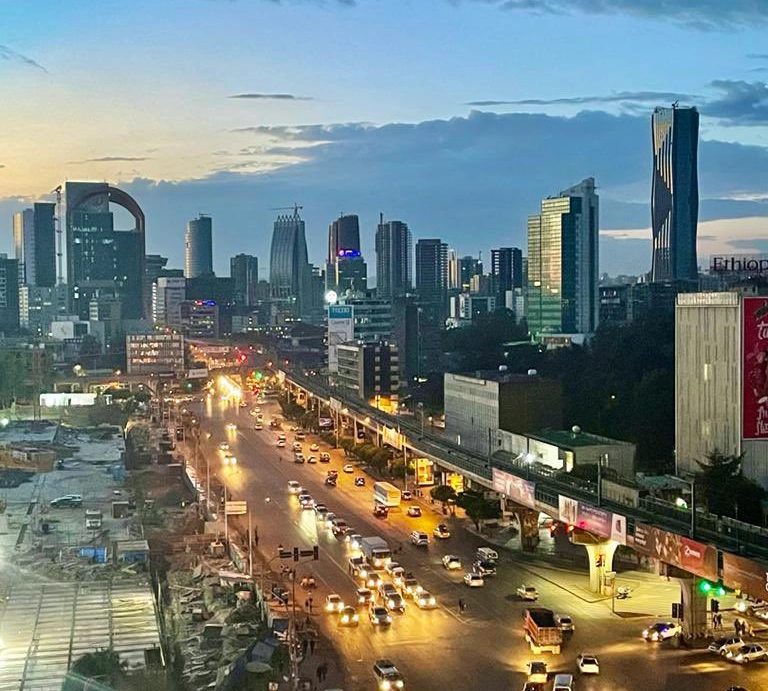
Projections indicate that the Democratic Republic of Congo (DRC) will have around 432 million residents, with Ethiopia following closely at approximately 324 million.
Estimates show that Tanzania and Egypt will have about 245 million and over 205 million residents, respectively.
This shift underscores Africa’s burgeoning influence on the global stage. In stark contrast, China’s population is expected to decline to about 766 million by 2100.
Meanwhile, India will maintain its position as the most populous country with a projected 1.53 billion people.
Significant populations will also persist in Pakistan and the United States, with projections reaching about 487 million and 394 million, respectively.
Adding to the global demographic dynamic, Brazil and Indonesia will experience varying trends.
Brazil’s population growth is expected to slow down due to declining fertility rates but will remain a significant player in Latin America.
Indonesia, projected to reach about 297 million people by 2100, will continue to be a major demographic and economic force in Southeast Asia.
Global Demographic Shifts: The Ascendance of African Nations by 2100
The population surge in African nations points to pivotal roles these countries could play in future global economics, politics, and culture.
These nations have higher fertility rates and improving healthcare, suggesting potential for significant economic growth and larger labor forces.
However, this demographic boom also presents challenges, including the need for substantial investments in infrastructure, education, and healthcare.
Effectively managing growing populations will be crucial for the economic stability and growth of these countries.
Furthermore, these populous nations will increasingly contribute to global consumer demand, labor markets, and potentially influence geopolitical shifts.
Countries like China, Brazil, and Russia are experiencing population declines. These nations will face several challenges, including labor shortages.
Additionally, the aging populations in these countries will lead to increased social security costs.
These demographic shifts highlight the necessity for strategic planning and international cooperation to address global demographic changes effectively.
This profound transformation towards a more African-centric demographic profile by 2100 signals a significant shift in the global order.
This article was produced by The Rio Times’ automated newsroom system. How we use AI · Report an error · Editorial responsibility: Matthias Camenzind, Editor-in-Chief
Part of our ongoing coverage
Africa: The New Scramble — the great-power contest over the continent.