Free Speech Battle: U.S. Judge Rules Against Brazilian Censorship Demands
A U.S. federal court has ruled that censorship orders issued by Brazilian Supreme Court Justice Alexandre de Moraes hold no legal authority in the United States.
The decision, announced on February 25, 2025, by Judge Mary Scriven of the Middle District of Florida, marks a significant legal victory for Rumble and Trump Media.
The companies had filed an emergency motion to challenge Moraes’s directives, which included suspending Rumble’s platform in Brazil and threatening its CEO Chris Pavlovski with criminal charges.
The dispute began when Moraes ordered Rumble to block the account of Allan dos Santos. He is a right-wing commentator accused in Brazil of spreading disinformation and inciting anti-democratic actions.
Moraes also demanded that Rumble appoint a legal representative in Brazil, a requirement the company refused to meet. Following non-compliance, Moraes suspended Rumble’s operations in Brazil and imposed escalating fines.
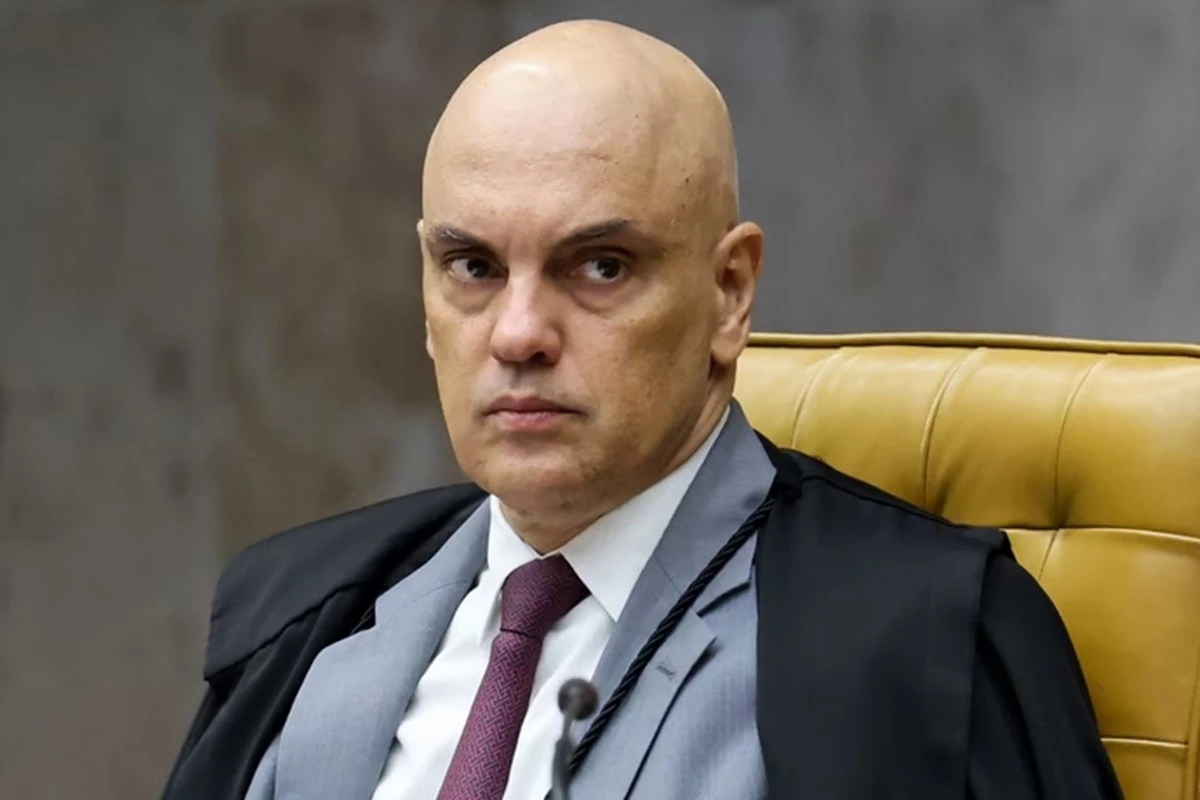
Rumble and Trump Media argued that these orders violated U.S. sovereignty and constitutional protections, including First Amendment rights. They sought a temporary restraining order (TRO) to prevent any enforcement of Moraes’s decisions within the United States.
Legal Battle Over Foreign Judicial Influence on U.S. Companies
However, Judge Scriven denied the TRO request, citing procedural deficiencies in Moraes’s orders. She noted that the directives were not properly served through international legal mechanisms like the Hague Convention or the U.S.-Brazil Mutual Legal Assistance Treaty (MLAT).
The court emphasized that no enforcement attempts had been made on U.S. soil, rendering the motion premature. The ruling underscores the limits of foreign judicial influence over American companies.
It affirms that neither Rumble nor Trump Media is obligated to comply with Moraes’s demands unless proper legal channels are followed. The court also stated it stands ready to intervene should enforcement attempts occur in the future.
This case highlights broader tensions between national sovereignty and global digital platforms. While Moraes has positioned his actions as part of Brazil’s fight against disinformation, critics argue his measures infringe on free speech and overreach judicial authority.
Devin Nunes, CEO of Trump Media, called the ruling a “major victory for free speech.” He reinforced the company’s stance against what they describe as foreign censorship efforts.
The decision sets a precedent for how U.S.-based platforms navigate conflicting international legal demands. It also highlights their ability to maintain operational independence and adherence to domestic laws.
More: Brazil news in English, every day from The Rio Times.
This article was produced by The Rio Times’ automated newsroom system. How we use AI · Report an error · Editorial responsibility: Matthias Camenzind, Editor-in-Chief