Sea Lion Loses the Three Biggest Oil Service Firms at Once
Falklands · ENERGY
Key Facts
- —What happened SLB, Halliburton, and Baker Hughes said they will not work in the Falklands.
- —How big Argentina opened proceedings against 45 companies and people; none has been sanctioned yet.
- —The catch The firms are not sanctioned.
- —Who it hits Sea Lion operator Navitas Petroleum and partner Rockhopper Exploration face new pressure.
- —What comes next Sea Lion drilling is still expected to start in early 2027, with first oil targeted for 2028.
Three global oil services giants say they will not work in the Falklands. Argentina’s state oil company thanked them, and Buenos Aires opened proceedings against 45 firms.
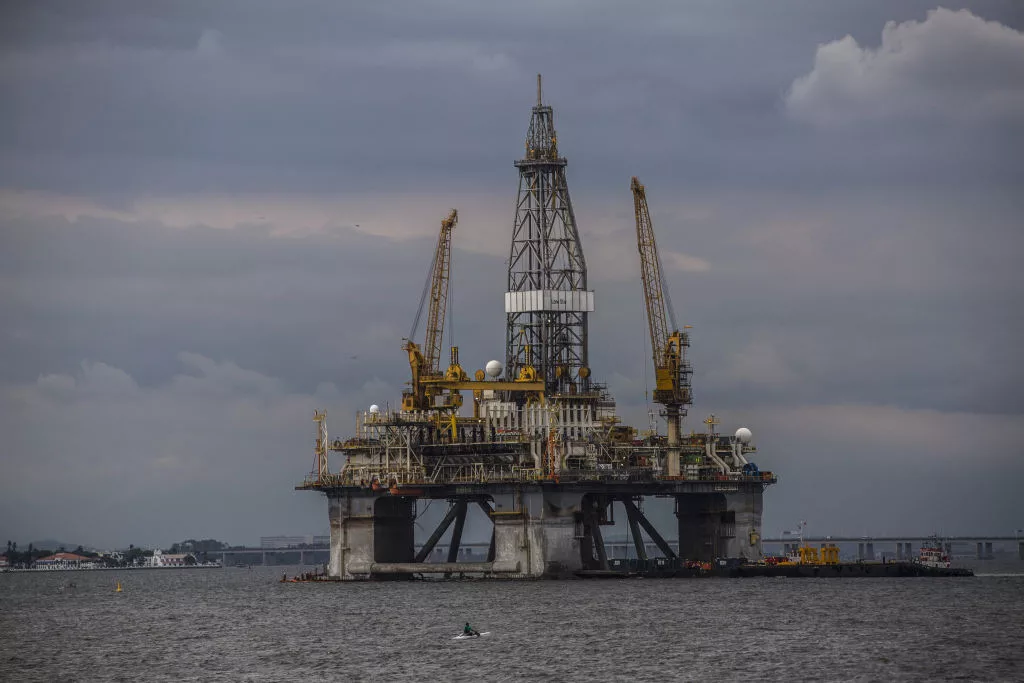
The world’s three largest oilfield service companies have all ruled out work on Sea Lion. The project sits in Falklands waters that Argentina also claims.
Services Giants Step Back
On 5 September 2026, Argentine outlets including Río Negro and Infobae reported formal statements from all three firms. SLB, formerly known as Schlumberger, said it “is not participating and does not plan to participate” in bidding tied to the Falklands.
Halliburton said it “does not participate in the Sea Lion Project or in any related exploration or production activity.” Baker Hughes made a similar statement about bidding for hydrocarbon work there.
All three are among the world’s largest oilfield services firms. Each statement cited Argentina’s new decree as the reason.
Argentina’s Legal Push
On 4 September 2026, Argentina published Decree 868/26 in its Official Gazette. It speeds up a 2011 law, Law 26.659, that regulates hydrocarbon work on Argentina’s continental shelf.
That law lets Argentina bar unauthorized companies from operating in the country for five to twenty years. The new decree adds shareholders, directors and suppliers, and it bars violators from a tax scheme for big investors called RIGI.
Investigation, Not Yet Sanctions
On 4 September 2026, Argentina’s government said it opened proceedings against 45 companies and people over Falklands hydrocarbon work. Argentine media reported the firms include British, US, Canadian, Israeli, Danish and Dutch names, though officials released no full list.
This is an investigation, not a sanction. Each party gets ten business days to respond before officials decide.
They can close the case or punish the firm, the foreign ministry said.
Foreign Minister Pablo Quirno separately said around 180 companies overall, including insurers, banks and oil suppliers, will eventually have to choose. They can work in the Falklands, he said, or keep doing business in Argentina.
YPF Says Thanks
Argentina’s state oil company, YPF, publicly thanked the three services firms. The message came from YPF’s official account on X on 5 September 2026, not from a named executive.
It read: “That the world’s leading service companies keep betting on YPF and Argentina is a very clear sign of what’s ahead. Thank you.”
YPF’s chief executive, Horacio Marín, was not quoted by name.
The firms’ decisions are voluntary, not the result of sanctions. Argentina has not sanctioned any of the three.
Sea Lion Project Status
Israeli company Navitas Petroleum operates Sea Lion with a 65% stake. UK-based Rockhopper Exploration holds the other 35%.
The field lies roughly 220 kilometers (137 miles) north of the Falklands, with estimated reserves of 1.7 billion barrels. Partners took a final investment decision in December 2025, budgeting about $1.8 billion for the first phase.
On 4 September 2026, they said recent developments are “not expected to have a material effect” on the project’s timetable. Navitas also exercised a $125 million option in August 2026 for a second production vessel, the OSX-1, alongside the existing Aoka Mizu.
Drilling is still expected to start in early 2027. First oil is targeted for 2028.
Falklands Businesses Look to Chile
A trade body, the Falkland Islands Development Corporation, is helping local firms attend a Punta Arenas networking event on 28-29 September 2026. It backs a second shipping link between the islands and Chile, run by a Chilean freight line.
This is a sea route, not a land route. The Falklands are an island group with no land border to Chile, so a shipping link would simply add another supply option.
Argentina’s Two-Ocean Claim
Foreign Minister Pablo Quirno, not another official, said on 4 September 2026 that Argentina is a “bicontinental, bioceanic” country spanning two oceans. He made the remark on Argentine channel América 24 while discussing a planned naval base in Ushuaia.
The comment reopened tension with Chile. It came days after Argentina’s Javier Milei and Chile’s José Antonio Kast discussed the Strait of Magellan.
Chile also restated its backing for Argentina’s Falklands claim during that meeting.

Reform UK’s Jenrick on the Falklands
Robert Jenrick, a spokesman for Reform UK, a British opposition party, said Britain would “crush Argentina” under Farage. He spoke at the party’s conference in Birmingham on 5 September 2026.
His words: “If Nigel Farage was our prime minister, we would use every lever of the British state…and we would crush Argentina.”
Nigel Farage did not say this himself. He leads Reform UK, has sat in Parliament for Clacton since 2024, after leading the UK Independence Party and the Brexit Party.
He currently holds no role in Britain’s government.
Why the Dispute Persists
Britain and Argentina both claim the Falkland Islands, which Britain calls a British Overseas Territory. Argentina says Britain illegally occupied the islands in 1833 and calls them the Malvinas.
The 1982 war between the two countries lasted ten weeks and ended in British victory. It killed 649 Argentine and 255 British service members but did not settle the sovereignty question.
The islands’ mostly British-descended population has voted to remain British. Argentina does not recognize that result.
What the Decree Changes
Before Decree 868/26, Law 26.659 already restricted unauthorized hydrocarbon work in the disputed area. The new decree speeds that process up and widens it to cover shareholders and suppliers, not just operators.
It also orders all Argentine public bodies to report unauthorized companies, which officials say should make enforcement faster. The decree adds no new criminal penalties, only administrative ones such as being barred from Argentina.
Industry and International Reaction
Navitas and Rockhopper say they operate under licenses lawfully granted by the Falkland Islands government, backed by the UK. Britain has said it supports the islands’ right to develop their own resources.
Some British lawmakers have criticized Argentina’s approach. Most other governments have stayed out of the dispute so far.
What Comes Next
Argentina says it will keep identifying companies it sees as breaking Law 26.659, so the list of 45 under investigation could grow. Sea Lion’s partners say their plans have not changed.
The dispute is unlikely to end soon, with both governments holding firm on sovereignty. Companies weighing Falklands work must now also weigh losing access to Argentina’s larger market.
Frequently Asked Questions
Why are the oil services firms leaving the Falklands?
They say they will not work there to comply with Argentine law. Argentina issued a decree that speeds up sanctions against companies operating without its permission.
What is Law 26.659?
It is a 2011 Argentine law that regulates hydrocarbon exploration on its continental shelf. It allows sanctions against companies that work without Buenos Aires’s authorization.
Will the Sea Lion project stop?
No, the operators say they will continue. They expect drilling to start in early 2027.
What does the Falklands delegation to Chile seek?
It wants to discuss a commercial land route through Chile. This could provide an alternative supply line for the islands.
Connected Coverage
Sources: Derecha Diario; Deutsche Welle; Mercopress; Buenos Aires Times; Infobae; BSS; Energies Media; Eco (Atlantic) Oil and Gas; The Telegraph; Investing.com; Diplomacy and Law.
This article was produced by The Rio Times’ automated newsroom system. How we use AI · Report an error
Read More from The Rio Times