Falchani’s Lithium Capex Rises to US$834 Million
PERU · MINING
Key Facts
- —The number First-stage capital cost revised to US$834 million, up from US$625 million.
- —The project Falchani, a hard-rock lithium deposit in Puno.
- —The operator Macusani Yellowcake, the Peruvian subsidiary of Canada’s American Lithium.
- —The date A target to begin construction in the second half of 2028. Not production.
- —The permitting The exploration environmental study is on its third submission. The exploitation study is planned for late 2027.
- —The resource 9.5 million tonnes of lithium carbonate equivalent at around 3,000 parts per million.
A capital figure and a date are not a project. Falchani does not yet hold the permit that would let anyone build it.
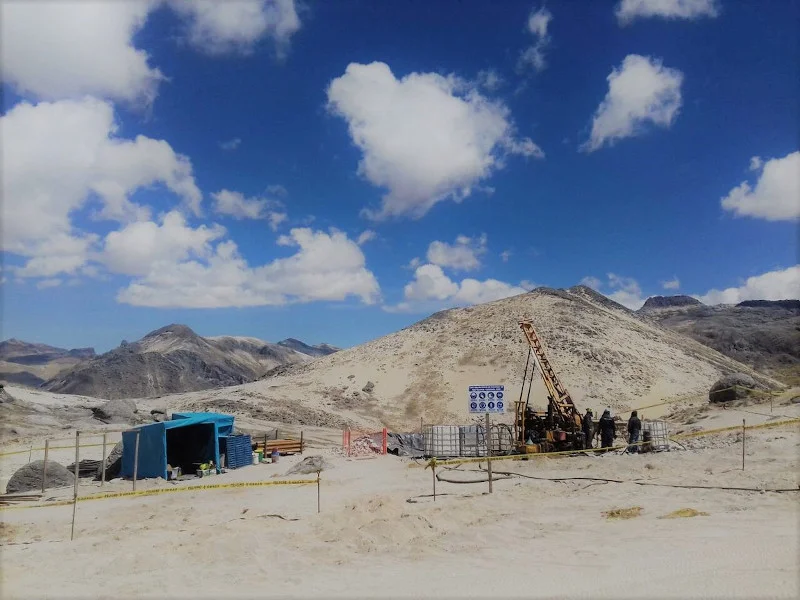
Macusani Yellowcake has revised the first-stage capital cost of the Falchani lithium project in Puno to US$834 million, up from US$625 million, and is targeting the second half of 2028 to begin construction.
What the Figure Covers
The US$834 million is first-stage capital expenditure, not the total cost of the project. Later phases would add to it, and the revision from US$625 million reflects a reworking of the development plan rather than cost inflation alone.
One caveat belongs with the number. Peruvian mining outlets reported a figure of US$847 million in September 2025, which does not reconcile with a rise from US$625 million to US$834 million a year later. The US$834 million figure is currently reported by a single outlet.
Who Owns It
The titleholder and operator is Macusani Yellowcake S.A.C., the Peruvian subsidiary of the Canadian company American Lithium Corp. Both names appear in coverage and both are correct.
The company secured 32 mining concession titles after a seven-year dispute with INGEMMET, Peru’s geological and mining institute, resolved in its favour by the Supreme Court. Roughly US$90 million has been spent to date on drilling and studies.
The Date Is Construction, Not Production
The second half of 2028 is a target to begin construction and development. Production follows a build, which for a project of this scale means additional years.
Earlier reporting had put operations at 2028 and then slipped them to 2029. Writing that Falchani starts producing in 2028 would be wrong, and the distinction between breaking ground and shipping product is where most lithium project timelines go astray.

The Permitting Gap
Falchani is not permitted to build. The semi-detailed environmental study covering exploration is on its third submission to the mining environmental directorate, with six observations from the national water authority outstanding.
The full exploitation environmental study, which is the one required to construct and operate a mine, is planned for late 2027, with approval targeted for the third or fourth quarter of 2028.
That sequence is the reason to treat the construction date as an ambition. It assumes an exploitation permit is granted at roughly the same time construction is meant to begin.
What Makes the Deposit Interesting
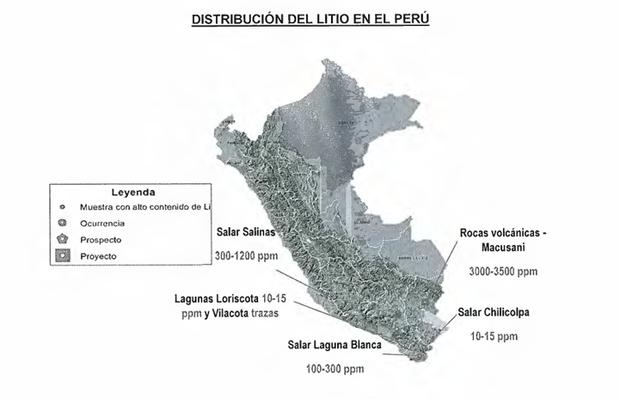
Falchani holds an estimated 9.5 million tonnes of lithium carbonate equivalent in hard rock, at grades around 3,000 parts per million. Chilean and Argentine brine operations typically run at 700 to 800 parts per million.
Hard rock and brine are not directly comparable, because brine extraction is cheaper per tonne of resource and hard rock is faster to bring on stream once built. The grade is nonetheless the reason the project attracts attention.
The production plan is phased: 25,000 tonnes a year of lithium carbonate equivalent initially, cut from an earlier 30,000, then 44,000, then 100,000.
What Peru Gets
Peru has no lithium production. A working Falchani would make it a producer in a market currently dominated in the region by Chile, Argentina and Bolivia’s unrealised reserves.
Puno is also among Peru’s poorest regions and one of its most conflict-prone for mining projects, which is a separate risk from the permitting timetable and one that environmental approval does not resolve.
More: Peru news in English, every day from The Rio Times.
Frequently Asked Questions
What is the new figure?
US$834 million in first-stage capital expenditure, up from US$625 million.
Who operates Falchani?
Macusani Yellowcake, the Peruvian subsidiary of American Lithium Corp.
What happens in 2028?
Construction is targeted to begin in the second half of 2028. That is not a production start.
Is the project permitted?
No. The exploration environmental study is on its third submission and the exploitation study is planned for late 2027.
How large is the resource?
An estimated 9.5 million tonnes of lithium carbonate equivalent at around 3,000 parts per million.
Sources: Gestión, Rumbo Minero, Infobae Perú.
This article was drafted with automated assistance and reviewed before publication. How we use AI · Report an error
Read More from The Rio Times