Exporting Impunity: Brazil’s Judiciary Under Fire for Dismantling Operation Car Wash
The Brazilian Supreme Federal Court (STF) has come under intense scrutiny for dismantling Operation Car Wash (Lava Jato), once the largest anti-corruption initiative in Latin America.
Transparency International’s recent denunciation of Brazil at the Organization of American States (OAS) highlights the growing concern over the STF’s role in unraveling years of progress.
The court’s actions, led by Justice Dias Toffoli, have not only undermined domestic accountability but also weakened transnational anti-corruption efforts across the region.
Operation Car Wash exposed a vast bribery network involving Odebrecht (now Novonor) and Petrobras, implicating politicians and business elites in 12 countries. The operation recovered billions of dollars in fines and sent powerful figures to prison.
However, recent STF rulings have reversed key convictions and annulled critical evidence from Odebrecht’s leniency agreement, citing procedural flaws. Toffoli justified his decisions by arguing that illegally obtained evidence cannot sustain convictions, a stance that critics say prioritizes technicalities over justice.
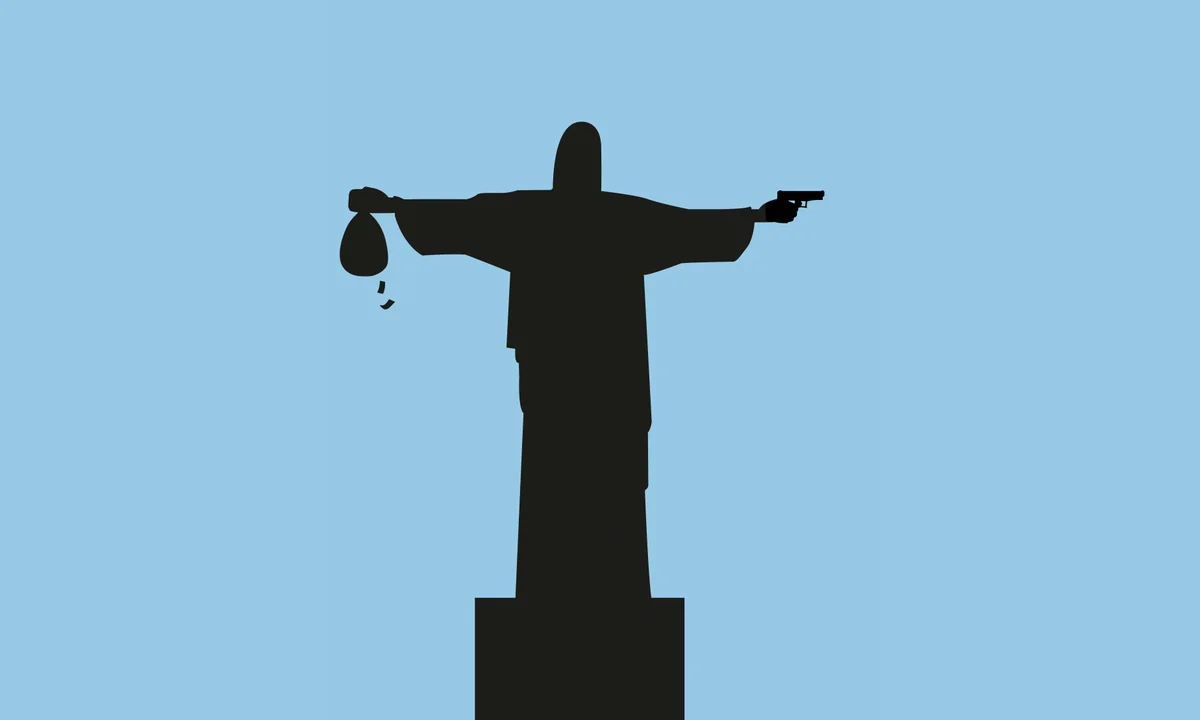
Toffoli’s rulings have had sweeping consequences. Over 100 cases tied to Odebrecht confessions were suspended in Brazil, including convictions of high-profile figures like Marcelo Odebrecht and José Dirceu.
The annulments also impacted investigations in Peru, Argentina, Panama, and other countries that relied on Odebrecht’s plea deal. A suspended fine of R$8.5 billion ($1.4 billion) against Odebrecht remains unresolved, further eroding accountability.
Growing Concerns Over Brazil’s Judiciary and Corruption
The New York Times recently highlighted Toffoli’s controversial background, noting his ties to former President Lula da Silva’s Workers’ Party before his STF appointment. Critics argue that his rulings align with political interests rather than judicial independence.
Transparency International described Brazil as “exporting impunity,” a stark reversal from its earlier role as a leader in exposing corruption. Observers draw parallels between Brazil’s judiciary and Venezuela’s Supreme Court, which often aligns with President Nicolás Maduro’s interests.
Concerns about judicial autonomy are growing as Lula appoints close allies to key positions, including Cristiano Zanin, who played a role in challenging Car Wash evidence. Brazil now faces a historical rewrite of its anti-corruption fight.
Recent STF decisions have shifted public perception, with 47.3% of Brazilians viewing the judiciary as overly controlling. The World Justice Project ranks Brazil 138th globally for rule of law, just above Venezuela.
Critics warn that these developments risk erasing Operation Car Wash’s lessons while emboldening corrupt actors. Transparency International has called for systematic oversight by the Inter-American Commission on Human Rights (IACHR).
This is to address the link between corruption and human rights violations. As Brazil navigates this legal and political crisis, its judiciary must reconcile due process with accountability. This is essential to restore public trust and preserve democratic integrity.
More: Brazil news in English, every day from The Rio Times.
This article was produced by The Rio Times’ automated newsroom system. How we use AI · Report an error · Editorial responsibility: Matthias Camenzind, Editor-in-Chief