Europe Becomes Venezuela’s New Outlet: Non-Oil Exports Rise As Recovery Is Tested
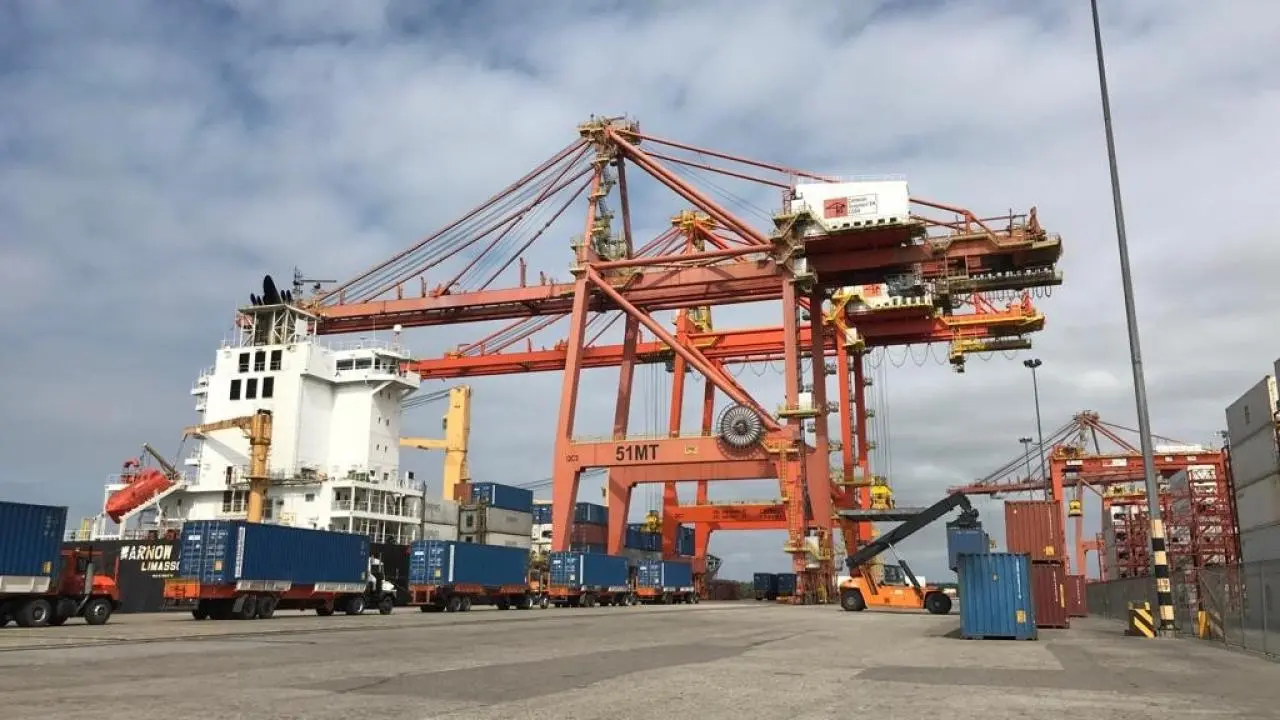
São Paulo — Venezuelan exporters are finding buyers in Europe for more than just oil. Their trade group, AVEX, says non-oil goods now reach 24 of the European Union’s 27 countries and that Europe overtook the United States as the top destination early this year.
That headline speaks to momentum, but the underlying story is more cautious: official European numbers still show a modest overall trade relationship, with non-fuel shipments growing from a small base and far from transforming Venezuela’s economy.
What is moving? A familiar mix: methanol, seafood (notably blue crab and fish), rum, cement, cocoa and coffee. The most telling shift, though, is in raw materials for Europe’s ceramics and refractories industries.
The war in Ukraine disrupted a key source of specialty clays that European factories depend on. Venezuelan producers are trying to step in.
Authorities in Lara state have outlined plans for large annual shipments of “white clay” to Spain beginning late 2025—an immediate test of whether Venezuela can meet EU standards at scale and on schedule.
Why the pivot to Europe now? Logistics and politics. Exporters say they get quicker payments and steadier demand from EU clients, while U.S. policy has tightened in ways that complicate sales.
The EU has kept targeted sanctions on Venezuelan officials but stopped short of a broad embargo on goods, leaving the door open for compliant, traceable shipments.
There are limits. Transport remains expensive, customs paperwork is unforgiving, and many products need investments in quality control, packaging and certification to meet European rules.
And while President Nicolás Maduro talks up a recovery, reliable nationwide data are thin and oil still dominates export earnings. AVEX’s claim that Europe leapt ahead of the U.S. is plausible given these incentives, but it awaits confirmation in detailed customs releases.
Why this matters beyond Venezuela: If these non-oil sales harden into habits, Europe gains a supplementary source of niche inputs and foodstuffs; Venezuelan firms gain diversification and a spur to modernize.
Watch the next rounds of EU import data, buyer tenders in ceramics and agro-food, and shipping schedules from late 2025. That is where the rhetoric will either meet reality—or fall short.
More: Latin America news in English, every day from The Rio Times.
This article was produced by The Rio Times’ automated newsroom system. How we use AI · Report an error
Read More from The Rio Times