eSIM vs. Traditional SIM: A Comprehensive Comparison
(Sponsored) For so long, the Subscriber Identity Module (SIM) card has played a crucial role in mobile communications. It stores essential information about subscribers, enabling them to connect to a cellular network. However, an emerging technology known as embedded SIM (eSIM) will take over mobile phones in the near future.
Physicality
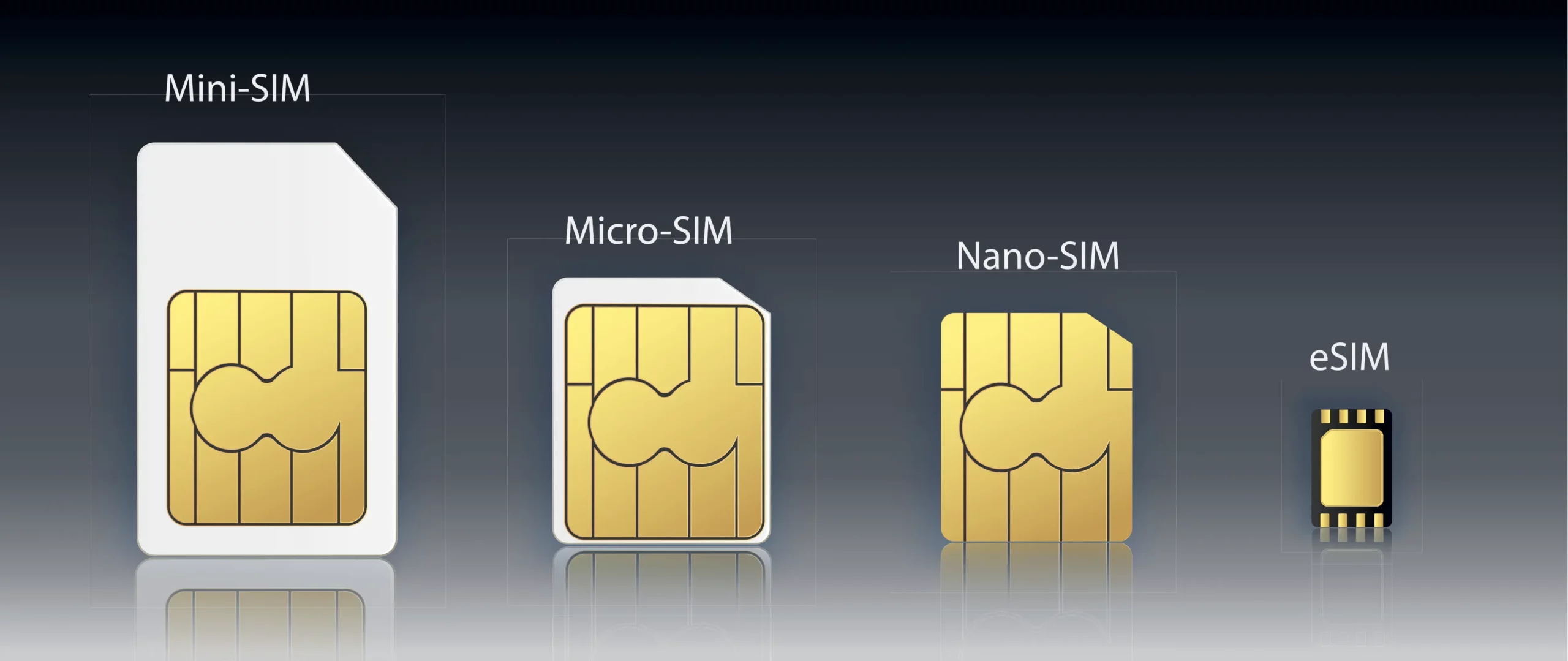
eSIMs are easily distinguished from conventional ones by their physical form. The old type of SIMs are known as micro, nano, or mini SIM cards, which are inserted into the SIM tray of a mobile phone. The tray is then put into the gadget so that it can access the phone’s network.
Unlike a physical SIM card that can be removed or lost, an eSIM is an embedded chip soldered on the device’s motherboard. It eliminates the need for a physical SIM card or tray that could be prone to harm or getting lost.
Flexibility and Convenience
eSIMs’ flexibility is among the most significant benefits. Unlike traditional SIMs, which are locked to one network provider, eSIMs can hold many profiles. In simple terms, changing from one network provider or plan to another and vice versa will be hassle-free as long as you have an eSIM because you won’t need to change your physical SIM card. This is advantageous for people who travel a lot or those who commonly use different gadgets.
For instance, if you’re traveling to a country with a different carrier, you can activate a local plan on your eSIM without having to replace your SIM card physically, and services like https://ohayu.com/ help with that. This eliminates the hassle and potential costs of purchasing a new SIM card in a foreign country.
Security
eSIMs have a higher security feature than the conventional SIM cards. Their embedding within the gadget’s hardware makes them less prone to theft or physical interference. On top of that, when combined with the device’s security features, it can offer some protection against any form of trespassing.
There’s an extra layer of security because eSIMs can be locked to particular devices. It would be hard for anyone to put your SIM card into a different phone and have it work. This is particularly important if you lose your device.
Adoption and Availability
While eSIM technology has been around for several years, its adoption has been relatively slow. This is mainly due to the need for widespread carrier support and compatibility with various devices. However, as more and more manufacturers and carriers embrace eSIMs, we can expect to see a significant increase in their adoption rate.
Many newer smartphones and tablets now have eSIM capabilities, and major carriers worldwide offer eSIM plans. As the technology becomes more prevalent, we can expect to see a shift away from traditional SIM cards.
Summary
eSIMs and standard SIMs have the same function, but they are very different in size, adaptability, and safety. Although we still use physical SIMs, eSIMs have a few benefits, like being more secure and convenient. With the evolution of eSIM technology, it will probably be the number one option for many consumers.
More: Brazil news in English, every day from The Rio Times.
LatAm Markets: Live Signals → — real-time movers, turnover leaders and FX across Latin America.