End of Brazil’s Small-Import Tax Sends Parcel Orders Surging 118%
Retail · Brazil
Key Facts
—The surge. Brazil received 28.36 million international packages in June 2026, up 118% from 13.02 million a year earlier.
—The trigger. The jump followed the removal of the import tax on shipments worth up to US$50, the so-called “taxa das blusinhas.”
—The timing. The levy was revoked in mid-May 2026 through an interim measure; June was the first full month without it.
—The comparison. Volumes were also 72% higher than in April 2026, the last full month before the tax fully applied.
—The tension. Consumers are buying more, but domestic retailers warn of the effect on Brazilian industry and jobs.
Brazilians have gone on an online shopping spree since the government scrapped its import tax on small parcels, with international orders jumping 118% in the first full month without the levy, to the delight of consumers and the alarm of domestic retailers.
A Shopping Spree Unleashed
The removal of Brazil’s tax on low-value imports has reshaped consumer behavior almost overnight. In June 2026, the first full month without the levy, the country took in 28.36 million international packages.
That is a 118% jump from the 13.02 million recorded in June 2025. Federal Revenue data make it the clearest sign yet of how sensitive Brazilian demand is to the price of imported goods.
What Changed
The so-called taxa das blusinhas taxed cross-border purchases of up to US$50, targeting the flood of cheap clothing and gadgets from Asian platforms. It was revoked in mid-May 2026 through an interim measure.
With the tax gone, the cost of small online orders fell sharply. Compared with April 2026, the last full month before the levy was in force, June volumes were up 72%.
Winners and Losers
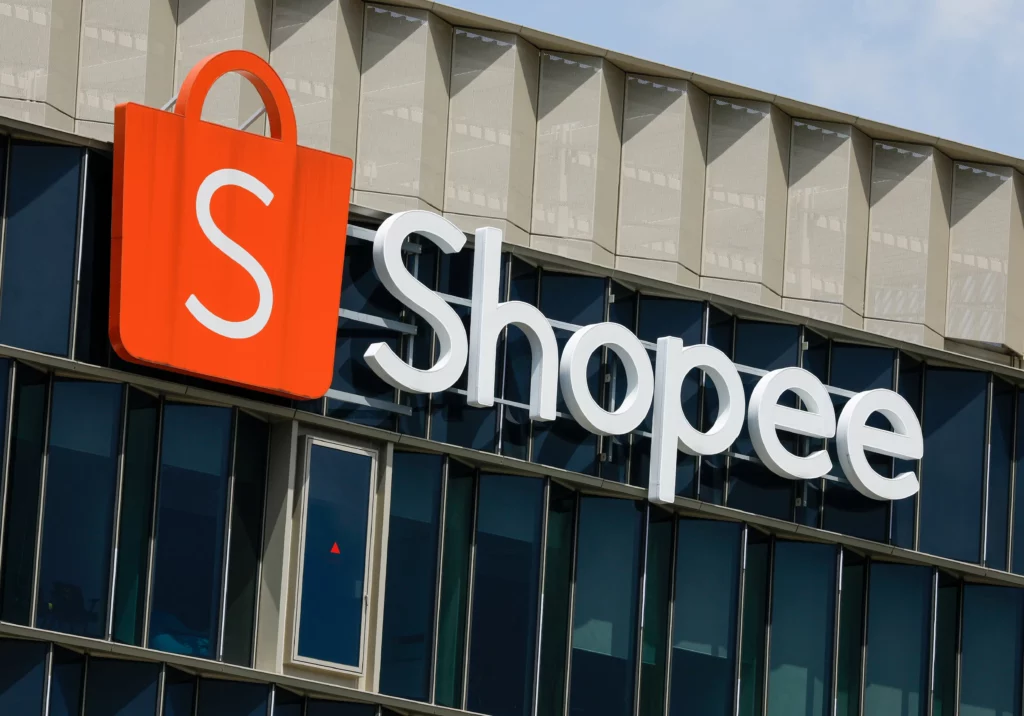
For consumers, especially lower-income shoppers, the change means cheaper access to global e-commerce. The platforms that ship low-value goods into Brazil are the obvious commercial winners.
Domestic retailers see it differently. They warn that a wave of tax-free imports undercuts local industry and could cost jobs, reviving a long-running fight over how to tax cross-border commerce.
Why It Matters
The episode captures a core tension in Brazilian policy: protecting local producers versus lowering costs for consumers. Each swing in the rules produces an immediate, measurable shift in behavior.
For investors, the data show the scale of Brazil’s appetite for imported goods when barriers fall. How the government balances that demand against domestic-industry pressure will shape the next round of the debate.
More: Brazil news in English, every day from The Rio Times.
Sources
Sources: Federal Revenue.
This article was drafted with automated assistance and reviewed before publication. How we use AI · Report an error · Editorial responsibility: Matthias Camenzind, Editor-in-Chief
Brazil runoff, Sunday, October 25: Brazil runoff date. Latest: Brazil runoff polls, Flávio 51%, Lula 49%.
Frequently Asked Questions
What is the “taxa das blusinhas”?
It is Brazil’s import tax on low-value cross-border purchases of up to US$50, aimed at cheap clothing and gadgets bought from international platforms. It was revoked in mid-May 2026.
How much did international orders rise?
International packages jumped 118% in June 2026 to 28.36 million, up from 13.02 million a year earlier, and were 72% above April 2026 levels.
Who benefits and who loses from the change?
Consumers gain cheaper access to global e-commerce, while domestic retailers warn the tax-free imports undercut local industry and jobs.