Dollar Rises Slightly Amid Trump’s Tariff Announcement and Economic Data
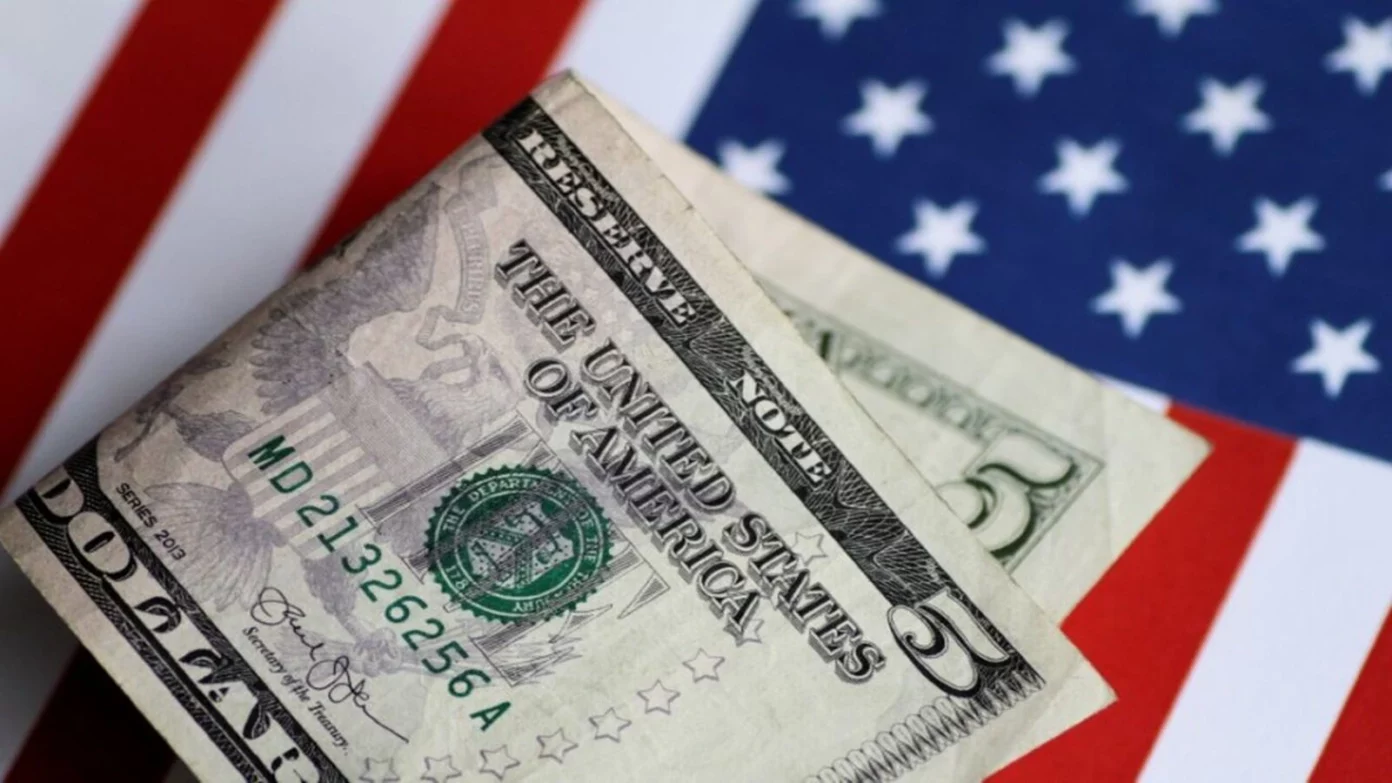
The U.S. dollar (USDBRL) halted a three-day losing streak on Thursday, closing slightly higher at R$5.7689 (+0.10%).
This followed an announcement by former U.S. President Donald Trump regarding reciprocal tariffs. The move came during a session marked by key economic data releases in Brazil and abroad.
Despite the dollar‘s gain in Brazil, it diverged from global trends. By 5 p.m. Brasília time, the Dollar Index (DXY), which measures the greenback against six major currencies including the euro and pound, fell 0.62% to 107.32 points.
In Brazil, markets reacted to revised economic projections released by the Ministry of Finance’s Secretariat of Economic Policy (SPE). The government raised its inflation forecast for 2025 to 4.8%, exceeding the central bank‘s target ceiling, compared to the previous estimate of 3.6%.
Meanwhile, the GDP growth projection for 2025 was lowered from 2.5% to 2.3%, reflecting the impact of ongoing monetary tightening. Guilherme Mello, Secretary of Economic Policy, explained that the revised GDP forecast aligns with a non-inflationary growth potential for Brazil.
He also stated that it supports inflation reduction efforts. He noted that a weaker real and slowing economic activity contributes to easing inflationary pressures. Trump’s tariff announcement added volatility to currency markets.
Economic Developments and Market Reactions
The White House stated that the reciprocal tariffs on trading partners would take effect on April 1, aiming to address trade imbalances. This policy shift provided late-session support for the dollar in Brazil.
In the U.S., economic data painted a mixed picture. The Producer Price Index (PPI) rose 0.4% in January, slightly above economists’ expectations of 0.3%. On an annual basis, producer prices increased by 3.5%.
Additionally, initial jobless claims fell by 7,000 to a seasonally adjusted 213,000 for the week ending February 8, signaling continued labor market stability. While global investors focused on these developments, Brazil’s domestic outlook remained under scrutiny.
Policymakers continued to balance inflation control with growth concerns. The combination of local and international factors kept markets on edge, underscoring the interconnected nature of today’s global economy.
This article was produced by The Rio Times’ automated newsroom system. How we use AI · Report an error · Editorial responsibility: Matthias Camenzind, Editor-in-Chief
LatAm Markets: Live Signals → — real-time movers, turnover leaders and FX across Latin America.