Dollar Rises Against Real as Markets Await Fiscal Package
The dollar experienced a significant uptick against the Brazilian real on Friday, ending a week of overall decline. This shift came as markets awaited the announcement of a fiscal package and reacted to disappointing stimulus measures from China.
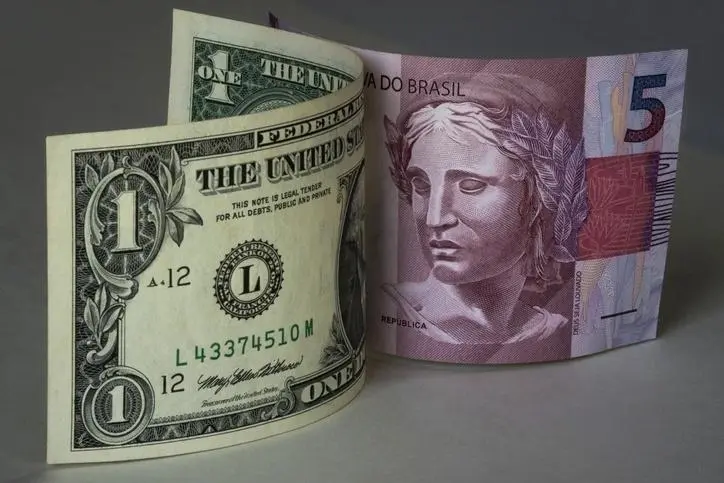
The day’s events highlighted the complex interplay of domestic and international factors shaping currency values. The U.S. dollar closed at R$ 5.7359, marking a 1.07% increase against the Brazilian real.
Despite this daily gain, the dollar still recorded a 2.27% decrease for the week. This movement mirrored global trends with the DXY index, which measures the dollar against major currencies, rising 0.50% to 104.344 points.
Several key factors influenced the dollar‘s performance. In Brazil, new economic data sparked concern. The National Consumer Price Index (IPCA) rose 0.56% in October.
This increase surpassed both September’s 0.44% rise and analysts’ expectations of 0.53%. This pushed the 12-month inflation rate to 4.76%, exceeding the central bank’s target ceiling.
The Brazilian government’s delay in finalizing spending cut plans added to market uncertainty. President Lula da Silva held meetings to discuss the fiscal package, but no concrete measures were announced.
Global and Domestic Economic Challenges
Itaú bank estimates that cuts of at least R$ 60 billion are needed to meet fiscal framework limits through 2026. Internationally, rumors about potential U.S. trade policy changes affected currency markets.
Reports suggested that President-elect Donald Trump might appoint Robert Lighthizer as U.S. Trade Representative. Lighthizer, known for his protectionist views, particularly regarding China, previously held this position during Trump’s first term.
China’s latest economic stimulus measures disappointed investors, impacting commodity prices and emerging market currencies. Chinese authorities announced plans to permit local governments to issue 6 trillion yuan in bonds over three years.
This move aims to address hidden debts. However, this fell short of market expectations for more aggressive economic support. These events underscore the delicate balance between fiscal policies, inflation concerns, and international trade relations.
As governments navigate these challenges, currency markets continue to reflect the ongoing economic uncertainties and policy expectations around the world.
This article was produced by The Rio Times’ automated newsroom system. How we use AI · Report an error · Editorial responsibility: Matthias Camenzind, Editor-in-Chief
LatAm Markets: Live Signals → — real-time movers, turnover leaders and FX across Latin America.