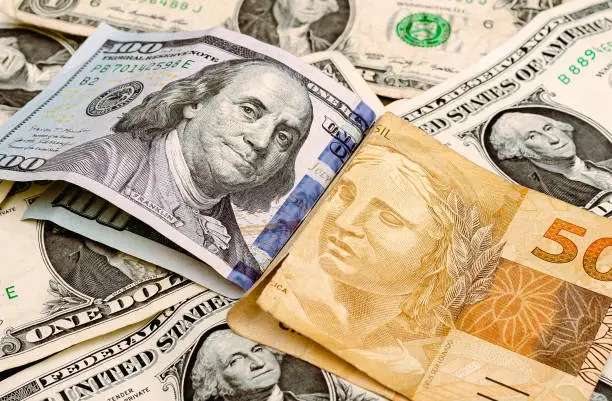
The dollar experienced a notable surge, reaching R$ 5.76 during trading hours. This uptick occurred as markets eagerly anticipated the announcement of fiscal measures in Brazil.
Additionally, they awaited the release of economic data in the United States. The currency’s movement reflected the complex interplay of domestic and international factors.
In Brazil, the financial community focused on potential government announcements. Finance Minister Fernando Haddad hinted at upcoming measures to balance public accounts.
However, he remained vague about the specifics and timing of these proposals. Haddad mentioned that his team was still crunching numbers to ensure a precise adjustment.
Meanwhile, across the Atlantic, the US job market showed signs of cooling. The number of job openings fell to its lowest level in over three and a half years.
This development suggested a significant easing in labor market conditions. The JOLTS report revealed 7.44 million job openings in September, below economists’ expectations.
Interestingly, US consumer confidence rose to 108.7 in October, surpassing estimates. This increase in consumer sentiment painted a mixed picture of the American economy.
Currency Market Dynamics
It highlighted the complex nature of economic indicators and their impact on currency markets. The dollar‘s performance diverged from global trends.
The DXY index, which measures the dollar against other major currencies, saw a slight decrease. This contrast underscored the unique factors influencing the Brazilian real’s relationship with the US dollar.
Market participants also kept a close eye on the upcoming US presidential election. Betting odds increasingly favored Donald Trump’s potential return to the White House.
This shift in political expectations added another layer of uncertainty to currency movements. As the day concluded, the dollar settled at R$ 5.7616, marking a 0.92% increase.
This rise reflected the market’s cautious stance amid fiscal uncertainties in Brazil and evolving economic conditions in the United States.
In short, investors continued to navigate these choppy waters, balancing domestic concerns with global economic trends.
This article was produced by The Rio Times’ automated newsroom system. How we use AI · Report an error · Editorial responsibility: Matthias Camenzind, Editor-in-Chief
LatAm Markets: Live Signals → — real-time movers, turnover leaders and FX across Latin America.