Diplomatic Theater and Economic Reality: China’s Desperate Tariff Gambit
China’s Commerce Ministry announced Friday it is evaluating recent American outreach regarding tariff negotiations amid escalating commercial tensions.
“If we choose to fight, we will fight to the end; if we opt to converse, the door is ajar,” stated the Ministry spokesperson, demanding Washington demonstrate “genuine intent” by revoking unilateral tariffs.
This diplomatic positioning follows contradictory signals from both governments, with Trump claiming discussions were underway-a statement Beijing promptly rejected.
Behind this imperial confidence lies an economy crumbling beneath. Beijing’s carefully choreographed diplomatic statements reveal a regime desperate to maintain its aura of invincibility despite facing potential collapse at home.
China’s manufacturing sector shrank dramatically in April, with the official Purchasing Managers’ Index plummeting to 49.0 from March’s 50.5.
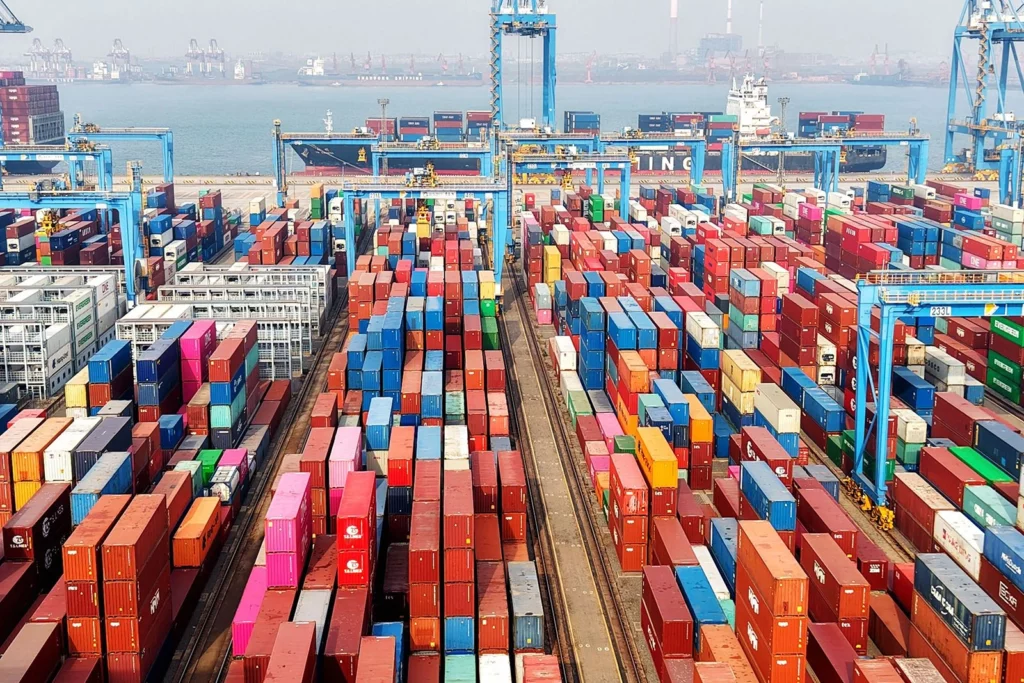
The export orders sub-index dropped to 44.7, its lowest mark since 2022, following Trump’s implementation of 145% tariffs on Chinese imports.
Experts note these figures, coming from China’s own National Bureau of Statistics, likely understate the true economic damage. American companies have canceled contracts and halted new orders. Chinese factories report declining output while employment shrinks at alarming rates.
China’s Economic Strains Undermine Tariff Standoff Strategy
Beijing’s economic troubles predated the current tariff standoff. A collapsing property market and weak consumer demand already strained the economy. The government raised its deficit ratio to 4%, the highest in more than a decade, desperately trying to maintain its promised 5% growth target.
Foreign direct investment into China plunged 27.1% in 2024, the steepest decline since 2008. The government claims 5.4% GDP growth for Q1 2025, but analysts widely question these figures.
The temporary export surge before tariff implementation masked deeper structural problems. Xi Jinping faces mounting pressure at home as these economic challenges intensify.
Chinese leadership must project strength and blame external forces while quietly seeking diplomatic solutions. The Commerce Ministry’s careful wording reflects this precarious balancing act.
The stark contrast between confident diplomatic statements and economic reality reveals China’s significantly weaker negotiating position. Xi cannot appear to capitulate to American demands without risking domestic backlash from a population already suffering economic hardship.
Behind closed doors, China has reportedly exempted certain American products from retaliatory tariffs. This suggests Beijing recognizes its vulnerability despite public posturing.
With about 2.2% of China’s GDP directly impacted by American tariffs, Xi faces potential civil unrest if economic conditions worsen. China’s leadership now confronts an impossible dilemma: maintain a tough diplomatic stance.
At the same time, it must secretly seek compromise to prevent economic collapse. Meanwhile, the clock ticks on Xi’s ability to contain growing domestic frustration.
This article was produced by The Rio Times’ automated newsroom system. How we use AI · Report an error
Read More from The Rio Times