Digital Revolution is Changing the Face of the Brazilian Banking Industry
RIO DE JANEIRO, BRAZIL – The growing number of online banks has brought the Brazilian financial sector to a boiling point. For years, traditional Brazilian banks have been making excessive profits by charging their customers exorbitant fees. This time is about to pass, and bank customers can look forward to being in the driver’s seat soon.
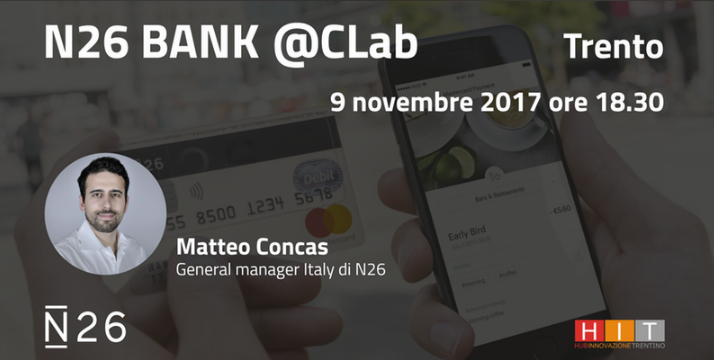
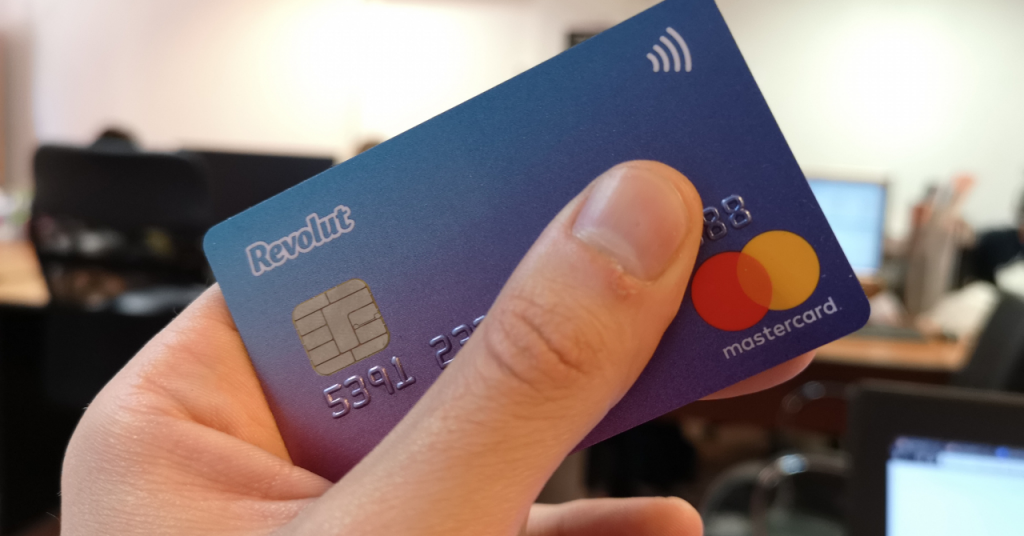
This competition ranges from European fintechs, such as the German N26 and the British Revolut, to the most significant Brazilian investment bank, BTG Pactual.

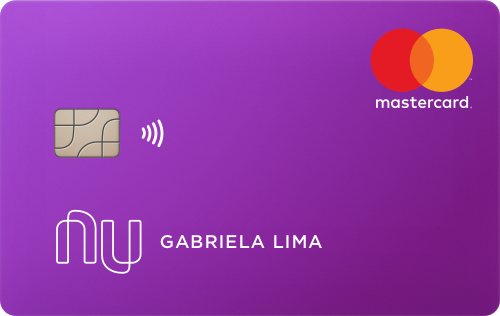
Companies that started out only with means of payment, such as Nubank, are moving towards a new front that can turn them into real banks: personal credit.
They are also changing their banking activities formerly classed as medium-sized. This is the case of Inter and Bonsucesso, renamed BS2. They are now also digital.
It was the very purpose of operating in this sector that caused some of BTG’s partners — Marcelo Kalim, Carlos Fonseca, and Leandro Torres — to leave the bank in late 2017 and found C6, another online bank that is currently operating in its testing phase.
Sector analysts caution, however, that there will be no room for everyone and that a consolidation process is to come. It is difficult to know what the winners’ profile will be, but they will most likely be very customer-focused and boast a wide range of products, experts say. A further option is segmentation.
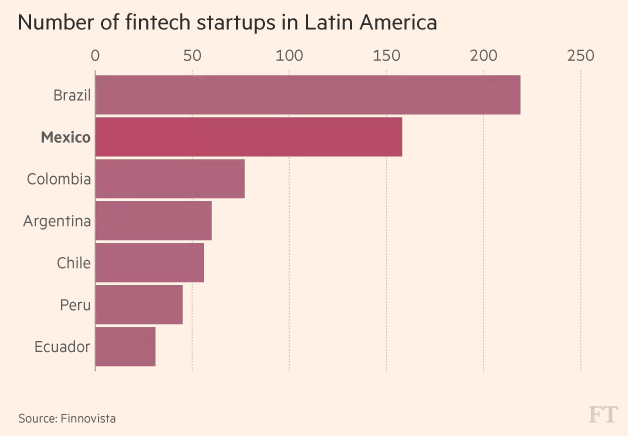
“Now, the concern of digital banks is to build a customer database. For now, there’s a game of stealing account holders, which the traditional banks are losing”, says Ricardo Heidel, from Accenture consulting. “At some point, this should stabilize, and then the digital banks will need to monetize their profits.”
So far, the majority of digital banks want to compete for the title of the sixth largest bank in the country in the number of account holders, behind Bradesco, Banco do Brasil, Itaú, Caixa Econômica, and Santander.
When BTG announced its move into the sector in May, it stated that this was its goal. In discussion with Estado newspaper, Marcelo Flora, a partner in the bank, went further: “I want to be first. We are heading for retail. We’re starting late, but we’re going to do it within a bank, to gain a competitive advantage up front.”
The president of InterBank, João Vitor Menin, says he has already set a date to become the sixth largest bank: “By the end of this year,” he says. Nubank’s founder, David Vélez, however, says self-confidently: “We are already sixth.”
Officially, the sixth is Banrisul, with 4.2 million active account holders. Vélez says that Nubank holds 7 million, but does not disclose how many of these are active; in other words, how many of them are operating their accounts. Inter had two million account holders by the end of March.
The Original, which has 1.4 million active account holders, is convinced that one or two of the five largest Brazilian banks will be digital by 2022. “There will be a consolidation of competitors,” says Raul Moreira, the bank’s CEO. “We believe that the most end-to-end digital and comprehensive banks will be the winners.”
Digital banks have made progress due to their higher-level apps — more intuitive — when compared to traditional banks and various rate waivers. To be able to offer free accounts, digital banks profit from the fact that they have no branch expenses.
One of the largest fintechs in Europe, the German bank N26, for instance, estimates that its operating cost per customer is about 15 percent of that of a traditional bank.
Digital banks also relinquish certain revenues. “They acknowledge that they may make less money, but they will still win,” says consultant André Leme, a partner at Bain & Company.
When they do not offer free services, they explain in greater detail to the customer what they are paying. “There is a transparency of costs: the traditional banks charge rates which are difficult to understand for those who are not used to them,” says Leme. “It’s not that I have to provide free services, but my offer needs to be transparent,” says Eduardo Prota, responsible for bringing N26 to Brazil.
What is to Come
Free or introductory fees, however, should not be sufficient at the time of consolidation. The expansion of product offers, including more complex items, will be crucial, according to Yran Dias, a partner at McKinsey — a consulting firm that has been involved in the development of more than fifty digital banks around the world.
“Starting a digital bank is not a challenge,” says Dias. “The question is in the implementation and the dimension. To gain dimension, fintechs will need to finance cars and houses, introduce more products.”
In the case of traditional banks, credit is usually one of the primary sources of revenue. Hence the importance of digital banks also operating in this area.
Despite stating that it does not intend to offer very complex products, Nubank begins to take its first steps in this direction. Since February, the bank has been testing a personal loan service. “We’re going to release more products, but ones that are simple for the consumer,” says Vélez. “We don’t want our clients to have to choose between fifty types of fundings.”
Part of Nubank’s expansion is being financed by Goldman Sachs, which granted financing of up to R$455 (US$120) million for the company’s revolving credit portfolio. According to Jason Nassof, vice-president of Goldman’s Special Situations Group — which invests on medium-sized companies — the gamble on Nubank was made after considering the size and the potential of the Brazilian market. “We have been investing in fintechs for a long time, and Vélez has a vision of doing something unsystematic.”
The N26, which has only six employees in Brazil so far, is also considering the prospect of having a robust portfolio. “In Germany, we have the special (overdraft) cheque, and we will certainly go further than a credit card here,” says Prota. “We have not come to be a small competitor.”
The C6, which has not yet been officially introduced, is another bank planning to move forward. The bank already offers CDB (Bank Deposit Certificate) for those who want to invest and should soon provide a personal credit line.
Although expanding the range of products enables many fintechs become real banks, this is also what could end them.
Working with credit analysis, for instance, may be more challenging and complex for those who were born as a technology company and need to develop the area from scratch. “Being a banker is not having a cool app,” says Miguel Santacreu of Austin Rating. “Financial institutions have risks: you need very qualified people to conduct a credit analysis.”
More: Brazil news in English, every day from The Rio Times.
This article was produced by The Rio Times’ automated newsroom system. How we use AI · Report an error · Editorial responsibility: Matthias Camenzind, Editor-in-Chief
LatAm Markets: Live Signals → — real-time movers, turnover leaders and FX across Latin America.