Diamond trafficking and Nazi spies: how Hitler’s secret agent network worked in Argentina and Brazil

By Daniel Cecchini
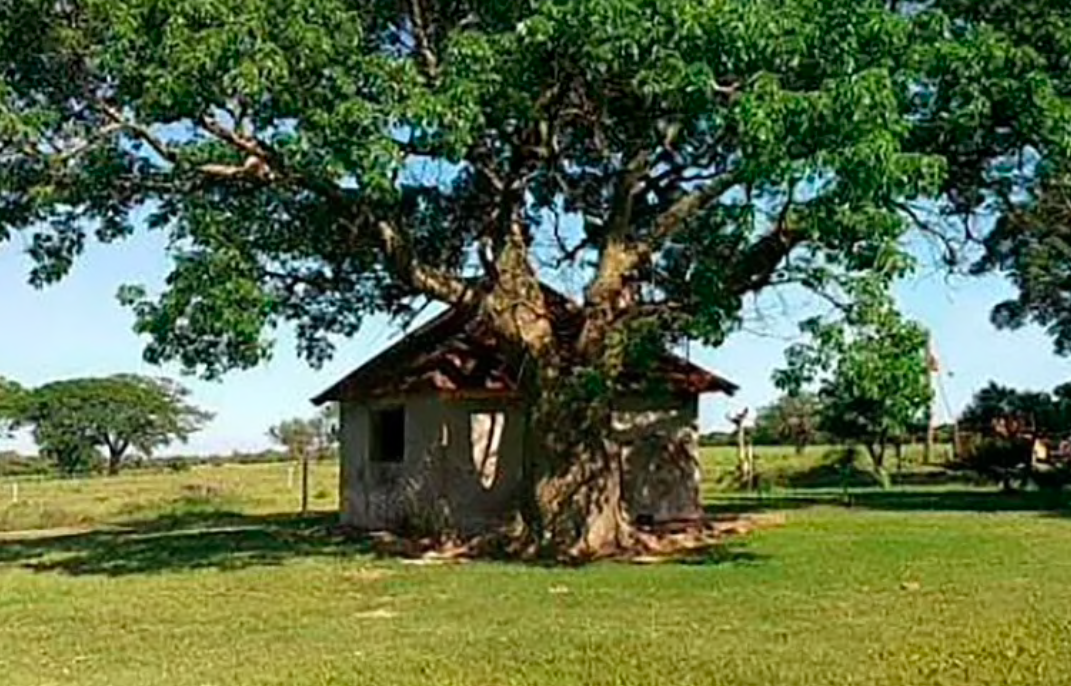
RIO DE JANEIRO, BRAZIL – It was the last days of May 1944 when a delegation from the Argentine Federal Police traveled especially from Buenos Aires to Santa Fe to carry out a raid. The objective was the Simbol ranch, in Las Avispas, a place a few kilometers north of the provincial capital.
Its owner was the Argentine of German origin Enrique Kusters, an elderly man who lived alone with a housekeeper, the German Edwig Poleman. The police were not looking for them, although they were taken into custody, but rather the tenants who occupied the ranch’s guest house, a group of Germans who were thought to be distant relatives of the owner, but they were not.
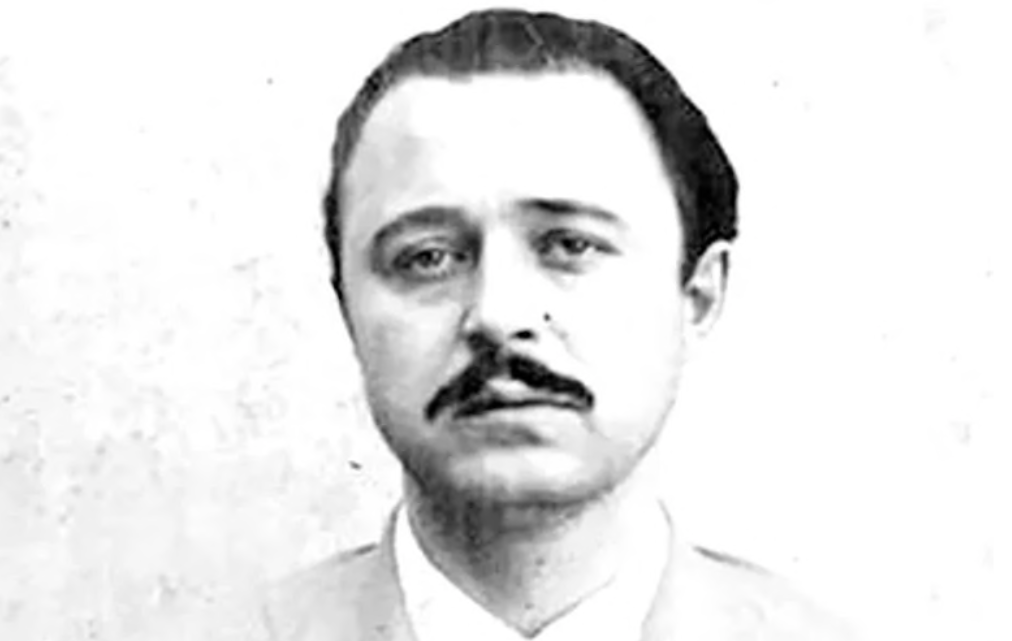
The agents had a special interest in one of them. The information they had received was accurate: there they would find Johannes Siegfried Becker, whose codename was “Sargo”, ideologue and head of “Operation Bolívar”, the largest network of spies set up by the Nazis in Latin America, with headers in Brazil and Argentina from where ramifications extended through Chile, Paraguay, Colombia, Mexico and other countries.

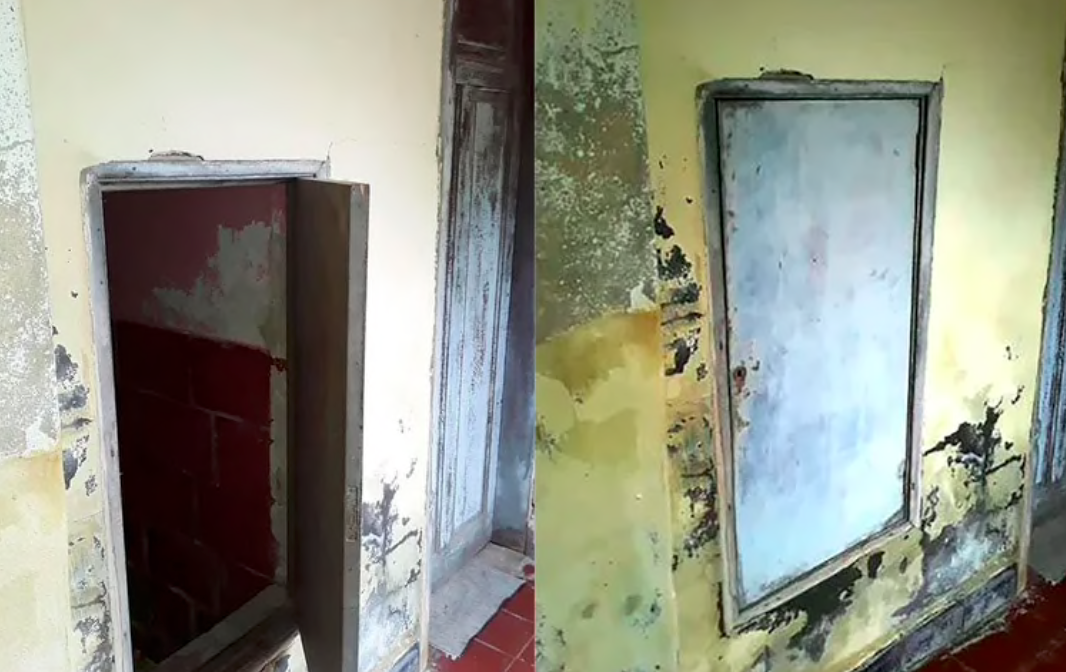
The police mission ended in semi-failure: Sargo and his friends had disappeared, but the search of the guest house paid off. They discovered that the construction had double walls that hid a secret room in which they found remains of cables and loose parts of a telegraph. It was evident that Mr. Kusters’ “relatives” had left in some hurry and left some traces.
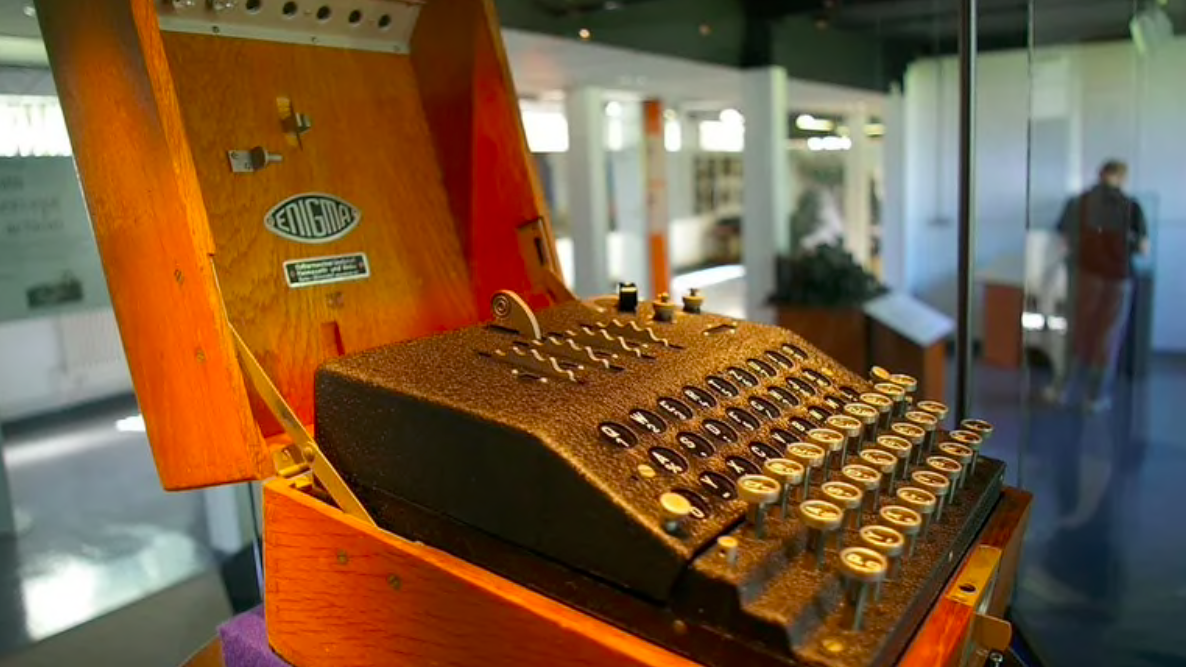
They had arrived late, but the data they had was true. In that house the Nazi network had set up a radio station from where they sent messages over 1,000 kilometers, more precisely to Berlin. To transmit them, they were encrypted with an “Enigma” machine, designed in 1926 to encode and decrypt communications.
In addition, nearby there was a group of windmills from which cables that carried electricity to the house to charge the batteries departed so that the excessive consumption of light from the electrical network would not arouse suspicion.
“The equipment was very expensive and was assembled in parts with components that were taken from Siemens company equipment,” says investigator Julio B. Mutti, an expert in Nazi espionage in the country and author of the book “Nazis in the Shadows.”
SARGO, HANSEN AND ALFREDO
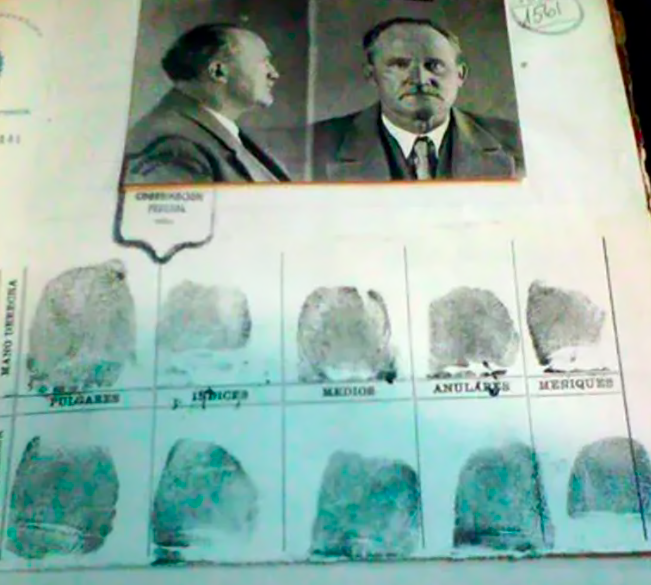
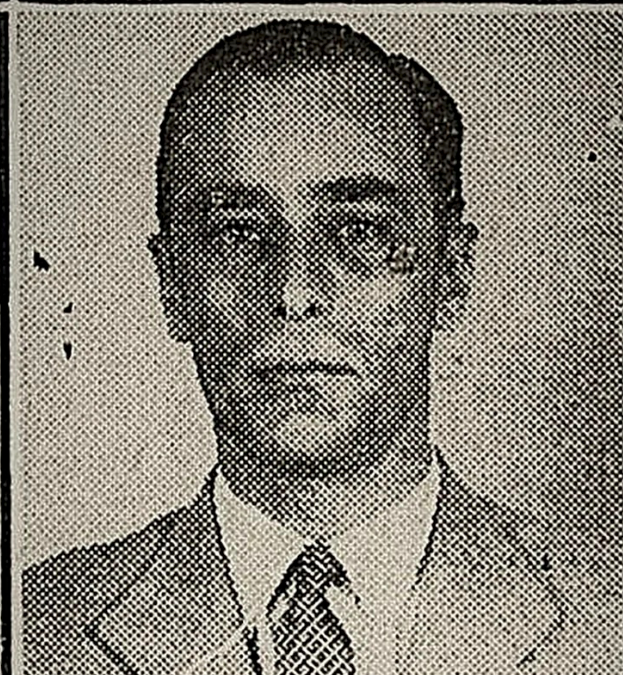
It was not the first time that Johannes Siegfred Becker had slipped out of the hands of the authorities, not only in Argentina but also in Brazil. With the code name “Sargo” he was the main figure of “Operation Bolívar”, the man responsible for setting up the network and collecting most of the intelligence information that Nazi agents gathered throughout Latin America.
Becker was sent for the first time to Buenos Aires in May 1940, originally with orders to carry out sabotage that would affect capital companies from the enemy countries of the Axis. With him came Heinz Lange, another agent whose code name was “Jansen.”
When they were preparing the first operations, their bosses in Berlin ordered them to abort the acts of sabotage and dedicate themselves exclusively to espionage with an ambitious goal: to collect the information obtained by the Nazi agents scattered throughout the countries of Latin America, centralize it in Argentina and Brazil, and get it to Germany, either through code transmissions or using ships from Francoist Spain to take it to Madrid, where it would be received by the German embassy.
They set up a base in Buenos Aires – where they had already established themselves with several Argentine government officials who sympathized with the Axis -, but in September 1940 they received notice that they had been discovered. They moved to São Paulo, where they contacted Gustav Albrecht Engels, the agent “Alfredo”, a spy with more than solid coverage as a director of the General Electric Company in Brazil.
Engels had originally been recruited by the Abwehr, the German army’s intelligence agency, in 1939 to collect and transmit intelligence related to the economy from the Western Hemisphere to Germany. He established a São Paulo station, from where he transmitted the information he obtained there using the company’s own radio.
When Becker arrived in São Paulo, he transformed Engels’s operation into an organization that reported on all matters of interest to German intelligence. This meant that in addition to collecting information related to the economy, the agents would collect information on shipping, war production, military movements in the United States, and political and military affairs in Brazil and other countries in the region, including Argentina, where other German spies had stayed, including an obscure insurance salesman named Osmar Alberto Hellmuth.
“Operation Bolívar” was underway and would soon become a real headache for the allies, especially after the entry of the United States into the war.
A “TOP SECRET” FILE
The importance and effectiveness of the network set up by “Sargo” in Latin America reached such a magnitude that, even many years after the end of World War II, it was the subject of study by American espionage experts.
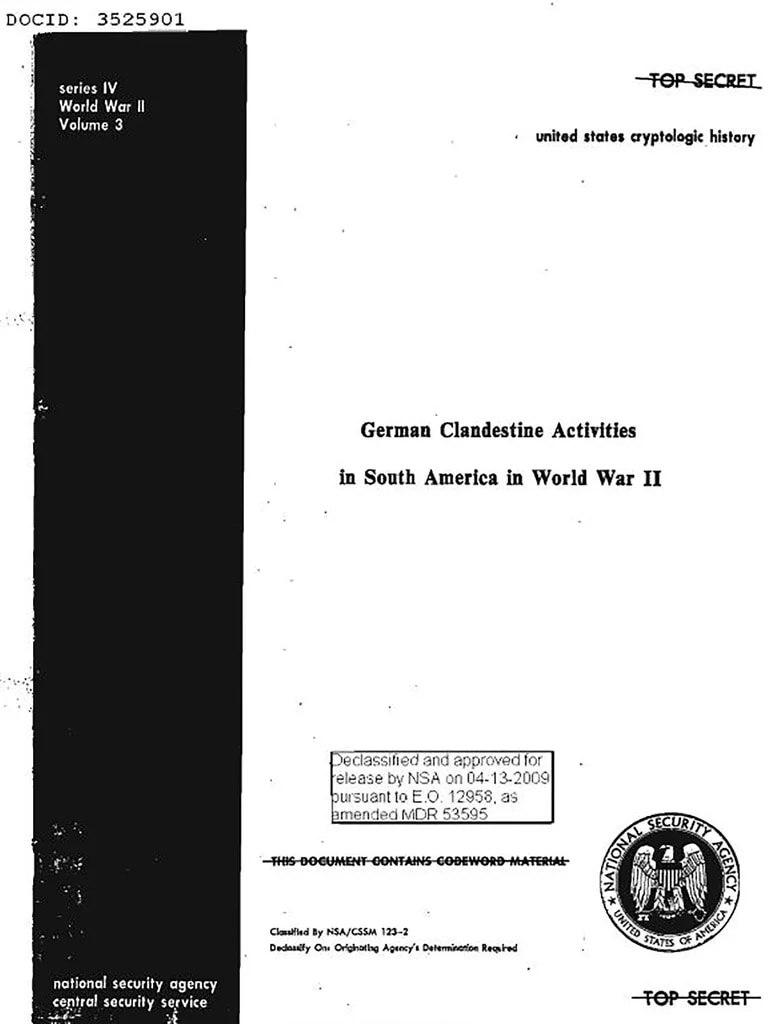
In 2009, a “top secret” document from the United States National Security Agency (NSA) entitled “Clandestine German Activities in South America during World War II” was declassified, where espionage historian David P. Mowry breaks down “Operation Bolivar”.
Mowry was able to establish that four Nazi radio stations dedicated to the transmission of secret information came to operate in Brazil. They were called the “Lirmax” group, whose name derived from the joint operation of the radio stations “Lir” from Brazil and “Max” from Germany, which also had a presence in Argentina, Brazil, Ecuador and Uruguay.

In November 1941, Berlin reorganized its spy presence in South America and placed espionage operations throughout the region in charge of “Sargo”, who would move between Brazil and Argentina, and ordered him to develop new espionage networks in Chile and Paraguay.
The NSA investigation reveals that Becker’s objective was to install a radio transmitter for the espionage network in each South American country, but that he was only able to do so in Argentina, Chile and Paraguay.
In February 1942, the radio station installed in Chile was already transmitting information collected by agents in that country, but also in Peru, Colombia, Ecuador, Guatemala, Mexico and the United States itself.
DIAMONDS AND DRUGS TO FINANCE
At the same time, “Operation Bolívar” continued to spread its ramifications, with a notable increase in Nazi spies in the region. Some were German professionals; others, citizens of different countries of the region bought with the gold of the Reich.
As the financing had to be done clandestinely, the Nazi regime decided to pay off its agents by secretly sending precious stones, mainly diamonds, to be sold later on the black market. That maneuver had a code name: “Operation Jolle”.
Later, Germany began shipping high-cost drugs in the same way, which the agents could exchange at home for large sums of money to pay local spies and buy government officials.
The clandestine shipment of jewelry and medicines, as well as part of the cryptographic material, used to be done through the crew of Spanish vessels that traveled with merchandise to South American ports.
According to Mowry’s investigation, by then, “Operation Bolívar” commanded by “Sargo” was sending up to fifteen encrypted messages from different parts of Latin America to their bosses in Berlin.
THE NETWORK CRASH
When on March 10, 1943, the coup by the Group of United Officers (GOU) overthrew President Ramón S. Castillo in Argentina, “Sargo” was able to move around the country with some comfort again.
From that time dates the installation of the radiotelegraphic station that used the code of “Enigma” in the secret room of the guest house in Enrique Kusters’ ranch in Santa Fe.
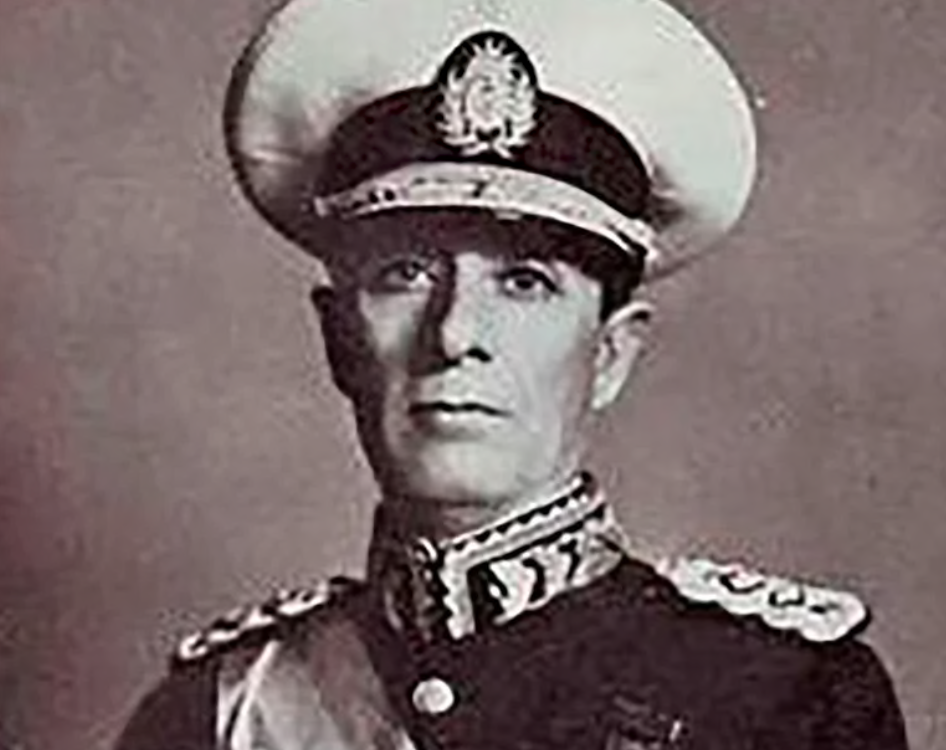
Also at that time, the network set up by “Sargo” participated in an operation that could be described more as diplomatic than intelligence, when the government of General Pedro Ramírez attempted a series of secret agreements with Hitler through the German spy who was hiding under the image of an obscure insurance broker named Osmar Alberto Hellmuth.
The spy set sail from the port of Buenos Aires at the beginning of October 1943 on the passenger steamer “Cabo de Hornos”, bound for Bilbao. He had a diplomatic passport and had been appointed auxiliary consul in Barcelona, but his mission was to negotiate with the Führer the sale of arms to Argentina. In addition, he had to obtain safe conduct for an Argentine tanker – built by the Greek tycoon Aristotle Onassis – which was blocked in the Swedish port of Gothenburg. The Argentine government had bought the ship, called “Buenos Aires”, to import oil from Venezuela.
From Barcelona, Hellmuth would travel to Berlin, where he would be received by Adolf Hitler to listen to the promise that the Argentine dictator, General Pedro Ramírez, offered him in exchange for these two favors: to strictly maintain Argentine neutrality in World War II.
But something went wrong. When the “Cape Horn” docked on October 29, 1943 in Port of Spain, capital of the then British sugar colony of Trinidad and Tobago, he was arrested by British intelligence agents.
During the interrogations, Hellmuth not only revealed his mission and Ramírez’s promises to Hitler, but also told everything he knew about “Operation Bolívar” and the name of his boss: Johannes Siegfried Becker, alias “Sargo”.
Pressured by the allies, the Argentine government could not continue to maintain its neutrality and on January 26, 1944 declared war on Germany.
It was the beginning of the end of the largest network of Nazi agents in Latin America. Four months after the declaration of war, police arrived at Kusters’ ranch in Santa Fe and discovered the secret room.
With it, the last bastion of “Operation Bolívar” fell in the country, although its boss, “Sargo”, had received a warning in time and was no longer there.
More: Argentina news in English, every day from The Rio Times.
This article was produced by The Rio Times’ automated newsroom system. How we use AI · Report an error · Editorial responsibility: Matthias Camenzind, Editor-in-Chief