Lula Is Running Level With 2022 in Brazil, and Behind in the Northeast
BRAZIL · ELECTION 2026
Key Facts
- —The headline Datafolha has Lula 38 percent and Flávio Bolsonaro 32 in the first round, and 46 to 44 in a runoff.
- —The poorest Lula leads voters earning up to two minimum wages by 47 to 27.
- —The middle Flávio leads the two-to-five bracket by 42 to 31.
- —The top Flávio leads above five minimum wages by 47 to 27.
- —The big three states Against 2022, São Paulo, Minas Gerais and Rio de Janeiro are all within or near the margin of error.
- —The Northeast Quaest has Lula 60 to 28 in the region, against 69.3 to 30.7 actually delivered in 2022.
Lula is exactly where he was in 2022 in the three states that decide Brazilian elections, and worse off in the one region he could always count on.
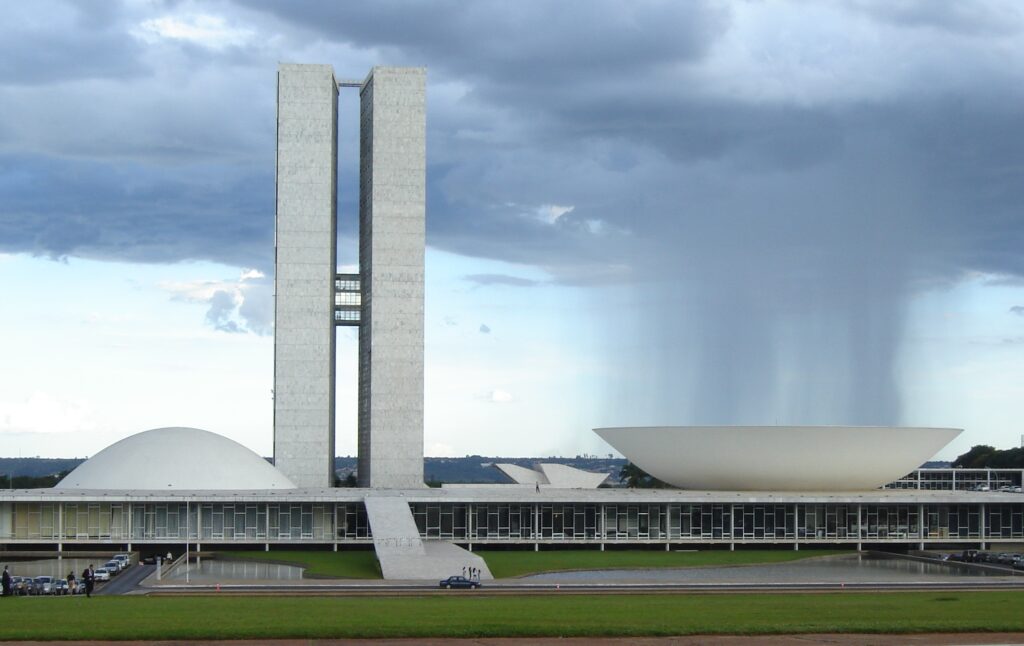
The cross-tabulations underneath this month’s Brazilian polling say more than the headline numbers do, and what they say is that the electorate has barely moved.
The Income Split
Datafolha’s national poll, fieldwork 1 to 3 September with 2,002 respondents and a two-point margin, has Lula on 38 and Flávio Bolsonaro on 32 in the first round, with a technical tie of 46 to 44 in the runoff.
The income breakdown is stark. Among voters earning up to two minimum wages Lula leads 47 to 27. In the two-to-five bracket Flávio leads 42 to 31. Above five minimum wages Flávio leads 47 to 27.
That is a twenty-point lead for Lula at the bottom and a twenty-point lead for Flávio at the top, with the middle going to the challenger. It is the clearest income polarisation in recent Brazilian polling.
The States That Decide
São Paulo, Minas Gerais and Rio de Janeiro together hold a large enough share of the electorate that no candidate wins without at least two of them.
Poder360’s analysis of Quaest data against the 2022 result finds Flávio 0.17 points ahead of his father’s São Paulo number, 2.15 points ahead in Minas Gerais, and Lula 2.78 points ahead in Rio de Janeiro.
Every one of those sits within or close to the margin of error. Four years, a change of candidate on the right and a court crisis have moved the three decisive states by almost nothing.
For the Workers’ Party that is the disappointment. The strategy assumed gains in the southeast against a less established opponent.

The Northeast Is the Movement
Quaest fieldwork from 3 to 6 September, with 2,004 respondents, puts Lula at 60 and Flávio at 28 in the Northeast in a simulated runoff including blank, null and undecided.
In 2022 Lula actually took 69.34 percent of the region against 30.66. The comparison is not exact, because one is a poll including undecideds and the other is a result, but the direction is unambiguous.
Lula’s disapproval in the region has risen from 30 percent in January 2026 to 35 percent in September.
The Northeast is where his margins have always been built. A region that delivers 60 instead of 69 changes the national arithmetic more than a two-point move in São Paulo does.
What the Court Crisis Has Not Done
Datafolha’s earlier September fieldwork covered 8 to 10 September, the worst days of the Supreme Court crisis, and produced no meaningful movement.
That is worth holding onto as the Banco Master case continues to generate headlines. The case has produced an investigation touching the leading challenger and a court turning on itself, and the voting intention has not responded.
Lula’s campaign is nonetheless using it. The party opened its television advertising slot with an attack on Flávio over the case, and the electoral court allowed the advertisement to continue running after a challenge.
More: Brazil news in English, every day from The Rio Times.
Frequently Asked Questions
What do the income cross-tabs show?
Lula leads the poorest bracket 47 to 27, Flávio leads the middle bracket 42 to 31 and the top bracket 47 to 27.
How do the big three states compare with 2022?
São Paulo, Minas Gerais and Rio de Janeiro are all within or near the margin of error against the 2022 result.
What has changed in the Northeast?
Quaest has Lula 60 to 28 there, against 69.34 to 30.66 actually delivered in 2022. His disapproval in the region rose from 30 to 35 percent since January.
Has the court crisis moved the polls?
No. Datafolha fieldwork covering the worst days of the crisis produced no meaningful movement.
Is Lula using the case?
Yes. His party opened its television advertising with an attack on Flávio over Banco Master, and the electoral court let it run.
Sources: Datafolha, Quaest, Gazeta do Povo, Poder360, Revista Forum, Brasil 247.
This article was drafted with automated assistance and reviewed before publication. How we use AI · Report an error
Read More from The Rio Times