A Lagos Court Tells Nigeria’s Fuel Regulator to Leave Dangote Alone

NIGERIA · ENERGY
Key Facts
The order: Justice Akintayo Aluko of the Federal High Court in Lagos granted an interim injunction on Monday restraining the Nigerian Midstream and Downstream Petroleum Regulatory Authority (NMDPRA), the country’s fuel regulator, from enforcing its directive suspending the loading and truck-out of petroleum products from the Dangote refinery.
How wide it runs: The court also barred the regulator, its officers and agents from entering, sealing, shutting down, restricting access to, obstructing, disrupting, inspecting, supervising or sanctioning the refinery’s operations and related facilities at the Lekki Free Zone.
What triggered it: The refinery is challenging the NMDPRA’s letter of August 24, 2026, which suspended loading and truck-out from its facilities. The application was filed ex parte, meaning without the regulator present, in suit FHC/L/CS/1174/2026 by Dangote Petroleum Refinery Nigeria Limited.
The legal question: The judge said the materials raised serious issues, particularly whether the NMDPRA has regulatory or oversight powers over operations inside free zones. He referred to a letter from the Attorney-General of the Federation dated March 2, 2026, stating that it does not.
The conditions attached: Dangote gave an undertaking to indemnify the regulator in damages should the order later prove unwarranted. The judge directed that the undertaking be filed formally and that the order be served on the NMDPRA.
The next date: The suit was adjourned to September 9, 2026, for hearing of the motion on notice. The interim order runs until then.
A separate fight: A second suit, FHC/L/CS/857/2026, challenges the issuance and renewal of fuel import licences to the state oil company NNPC Limited and several marketers. It came up on Monday before Justice Chukwujekwu Aneke but was adjourned to October 7 after the judge was reported indisposed.
A Dangote refinery injunction issued by the Federal High Court in Lagos has barred Nigeria’s midstream petroleum regulator from enforcing an order that suspended loading at the plant. The underlying question is whether the regulator has any authority inside the free zone where the refinery sits.
What the Dangote refinery injunction covers
Justice Akintayo Aluko granted the interim order on Monday, following an ex parte application by Dangote Petroleum Refinery Nigeria Limited. It restrains the NMDPRA from enforcing its August 24 directive suspending loading and truck-out of products from the refinery.
The order goes further than the directive itself. It bars the regulator and its agents from entering, sealing, shutting down, restricting access to, obstructing, suspending, disrupting, inspecting, supervising or sanctioning the refinery, petrochemical, terminal, storage, blending, loading and truck-out facilities within the Lekki Free Zone.
Dangote’s application was argued by a team led by the senior advocates Olawale Akoni and Abimbola Akeredolu. It rested on a 42-paragraph affidavit sworn by Wale Aroge and on documentary exhibits marked A1 to A6.
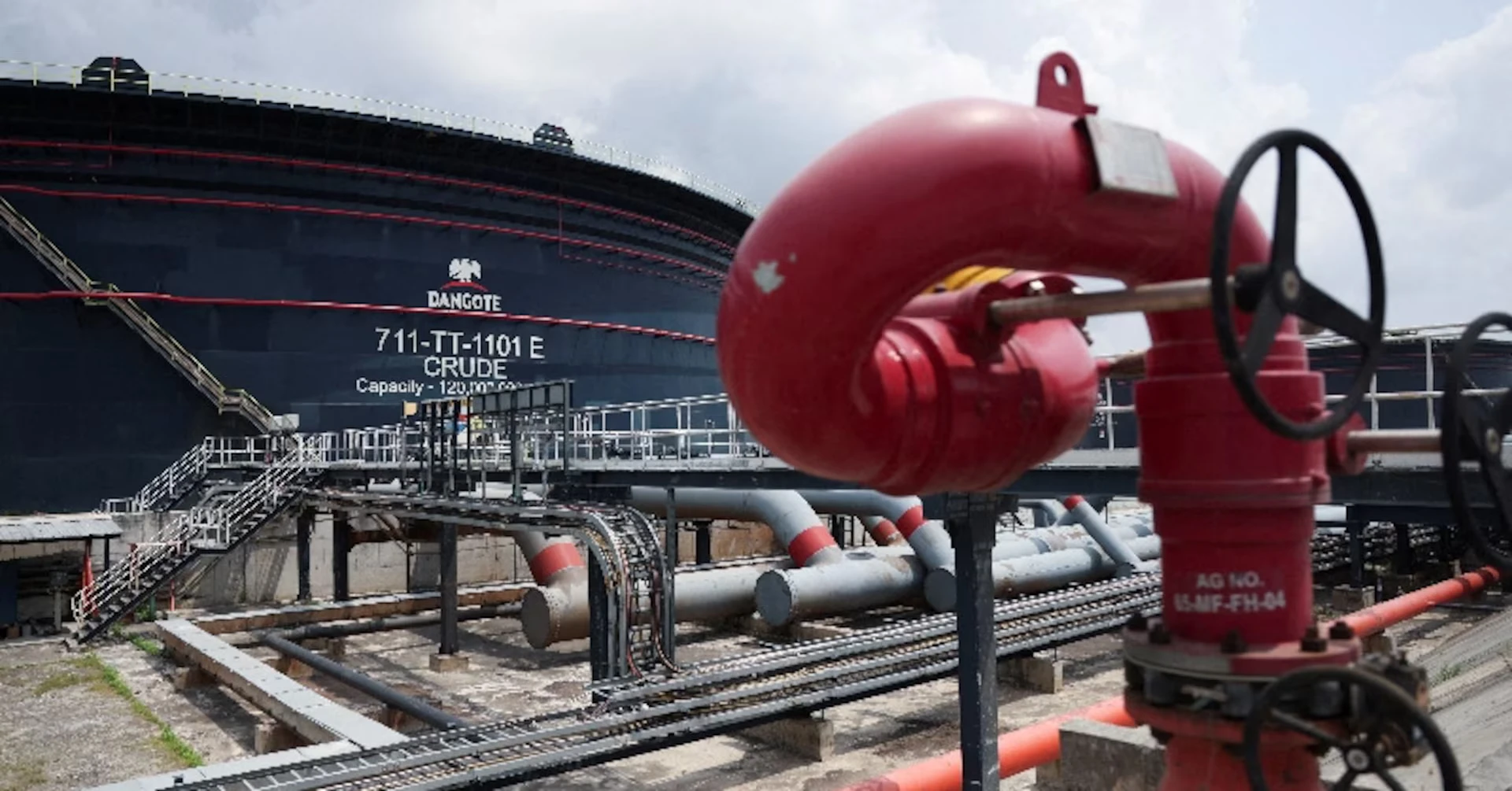
The free-zone question at the centre of it
The judge held that the materials raised serious issues for determination, and named the central one: whether the NMDPRA possesses regulatory or oversight powers over operations within free zones.
He referred to a letter written by the Attorney-General of the Federation on March 2, 2026, which, in his account, clearly stated that the regulator was not entitled to exercise such powers inside free zones. He then noted the NMDPRA’s own letter of August 24 purporting to do exactly that.
That is a jurisdictional argument rather than a technical one about fuel quality or safety. If Dangote is right, a large part of Nigeria’s refining capacity sits outside the reach of the country’s downstream regulator.
The judge framed the injunction narrowly as preservation. The purpose, he said, was to preserve the subject matter of the dispute pending determination of the motion on notice, and he found the refinery had met the legal conditions for an interim order.
The second case, about import licences
Running alongside is an older suit challenging the issuance and renewal of fuel import licences to NNPC Limited and several marketers, among them NIPCO, AA Rano, Matrix, Shafa, Pinnacle and Bono. It was adjourned on Monday to October 7 because the presiding judge, Justice Chukwujekwu Aneke, was indisposed.
Dangote argues those licences breached an earlier order of April 29 directing parties to maintain the status quo as it stood on April 2, 2026. It wants the licences set aside.
Its statutory argument rests on section 317(9) of the Petroleum Industry Act, which it reads as permitting imports only where there is a proven shortfall in domestic supply. The refinery says regulatory data show domestic petrol and diesel output exceeding national consumption.
What NNPC says in reply
NNPC Limited has asked the court to dismiss that suit. It argues the Petroleum Industry Act and the government’s backward integration policy impose no blanket prohibition on fuel imports.
The state oil company says imports remain permissible where necessary to guarantee supply security, and it maintains the NMDPRA acted within its statutory powers in issuing the disputed licences. It has also accused the refinery of using litigation to monopolise Nigeria’s downstream petroleum market.
Its reading of the Act is the mirror image of Dangote’s. Imports are prohibited only where a verified domestic surplus exists, and remain a legitimate way to keep product available and prices stable.
Why this matters beyond Lagos
The refinery has an installed capacity of about 650,000 barrels a day, which makes it one of the largest single pieces of downstream infrastructure anywhere on the continent. Any interruption to loading is felt in West African fuel markets within days.
The regulatory question is the bigger one for investors. Free zones were designed to offer legal certainty, and a contest over whether the national regulator reaches inside one is exactly the kind of dispute that shapes how future projects are structured.
Nothing here is settled. An interim injunction preserves a position; it does not decide the argument, and the hearing on September 9 is the next real test.
This report is based on court reporting of the September 1 ruling by Leadership, Punch, Vanguard and Daily Post, and on earlier coverage of the import-licence suit by allAfrica, The Sun and Leadership.
More: Nigeria news in English, every day from The Rio Times.
Frequently Asked Questions
What did the court order?
Justice Akintayo Aluko granted an interim injunction restraining the NMDPRA from enforcing its August 24 directive suspending loading and truck-out at the Dangote refinery. It also bars the regulator from entering, sealing or shutting down the plant.
What is the NMDPRA?
The Nigerian Midstream and Downstream Petroleum Regulatory Authority, the federal agency that regulates refining, storage, distribution and fuel import licensing in Nigeria’s midstream and downstream oil sector.
What is the underlying legal question?
Whether the NMDPRA has regulatory or oversight powers over operations inside free zones. The judge cited an Attorney-General’s letter of March 2, 2026, stating that it does not.
When is the next hearing?
The suit was adjourned to September 9, 2026, for hearing of the motion on notice. The interim order runs until then.
Is there another case?
Yes. A separate suit challenges fuel import licences issued to NNPC Limited and other marketers, and was adjourned to October 7 after the judge was reported indisposed.
How big is the refinery?
Its installed capacity is about 650,000 barrels a day. Dangote says regulatory data show domestic petrol and diesel output exceeding national consumption.
Connected Coverage
See our Western Africa coverage and the wider Africa: The New Scramble. We have followed the plant through the US$1bn backing for its listing and its offer of a stake in the Lamu refinery to East Africa.
This article was produced by The Rio Times’ automated newsroom system. How we use AI · Report an error · Editorial responsibility: Matthias Camenzind, Editor-in-Chief
Living in or visiting Lagos? See this month's events and our Lagos city guide with rents, safety and upcoming concerts.