Cusco Named South America’s Best City for a Fourth Year
Peru · Tourism
Key Facts
—Fourth Consecutive Win Cusco has been voted Travel + Leisure’s best city in Central and South America every year from 2023 through 2026, confirming its consistent appeal among discerning international travelers.
—Reader Score of 87.47 In the 2026 World’s Best Awards, Cusco earned a reader survey score of 87.47, beating regional rivals like Buenos Aires, Rio de Janeiro, and Cartagena based on cultural wealth and hospitality.
—Cultural Identity Driver The Virgen del Carmen festival in Paucartambo, held annually from July 15 to 18, drew an expected 50,000 visitors in 2025 and acts as a major tourism magnet that strengthens Cusco’s brand beyond Machu Picchu.
—Machu Picchu Recovery Gap Despite Machu Picchu receiving about 1.5 million visitors in 2024, cumulative visits since 2020 are roughly 6.1 million below pre-pandemic trend projections, highlighting fragility in the region’s core attraction.
—Governance and Access Risk Persistent ticketing chaos, cash-only payments, and transport strikes at Machu Picchu have prompted international warnings that mismanagement threatens both visitor satisfaction and the site’s World Wonder credibility.
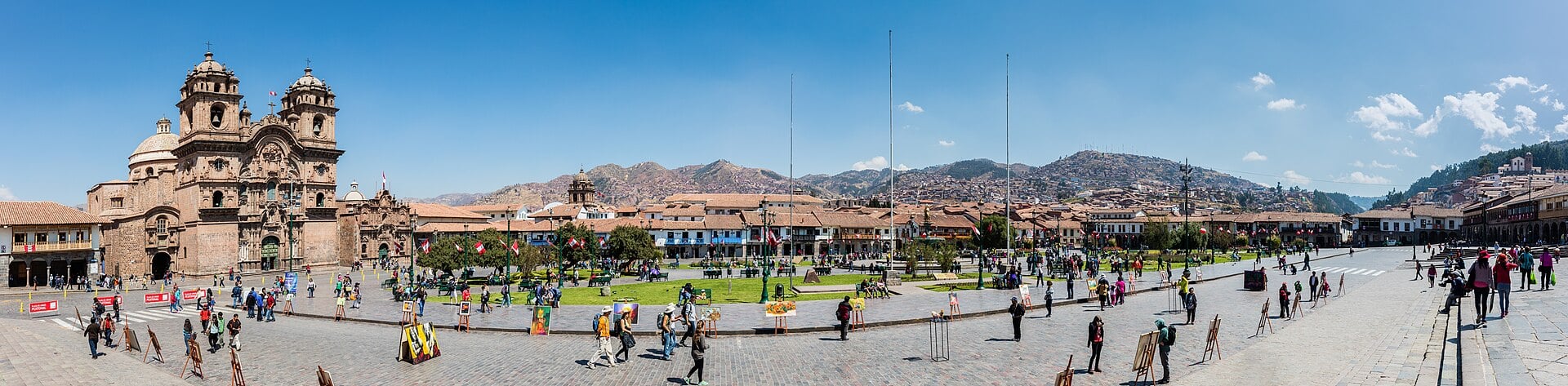
Travel + Leisure magazine has named Cusco the best city in Central and South America for a fourth consecutive year in its 2026 World’s Best Awards, reinforcing the Peruvian city’s dominance as a cultural powerhouse even as nearby Machu Picchu grapples with a deepening tourism-management crisis.
A Sustained Record of Regional Dominance
Cusco’s latest victory in the Travel + Leisure reader survey, confirmed by Peru’s export and tourism agency PROMPERÚ with a score of 87.47, sees the former Inca capital defeating competitors such as Bogotá, Mendoza, Buenos Aires, Rio de Janeiro, Cartagena, and Quito. The recognition adds to a streak that already includes first-place finishes in 2023, 2024, and 2025.
Peruvian government sources note the city has actually been chosen for the top regional spot seven times since 2018, only missing 2021.
Travel + Leisure readers consistently praise Cusco’s Inca temples, colonial architecture, and culinary scene — including local delicacies like cuy (guinea pig) — as well as the city’s role as the strategic gateway to Machu Picchu and the Sacred Valley. PROMPERÚ highlights that the award reflects extraordinary hospitality, cultural richness, and sustainable tourism efforts, framing the city as a must-visit destination whose appeal goes far beyond its famous archaeological neighbor.
Paucartambo’s Virgen del Carmen: The Festival Powering Cultural Identity
One of the key cultural assets that strengthens Cusco’s year-round appeal is the Fiesta de la Virgen del Carmen in Paucartambo, held annually from July 15 to 18 with the central day falling on July 16. The celebration honors Mamacha Carmen, the patron saint of the mestizo population, and draws thousands of devotees and foreign tourists into a town known for its whitewashed houses and blue balconies.
Local travel operators had projected roughly 50,000 visitors for the 2025 edition, underscoring its role as a major tourism magnet.
The event is considered one of South America’s most vibrant religious and folkloric celebrations, featuring unique processions, masks, and ritual dances. It also prompts Paucartambinos living abroad to return home, reconnecting with their roots.
For investors and expats, the festival demonstrates that Cusco’s high rankings are built on a dense cultural calendar that distributes visitor interest across the region, rather than relying solely on the citadel of Machu Picchu.
Why Diversification Matters for Expats and Investors
Cusco’s sustained #1 ranking matters for residents and prospective investors because it increases the city’s resilience against tourism volatility. While Machu Picchu remains the country’s flagship attraction — accounting for roughly 35 percent of Peru’s international tourist flow — access disruptions caused by strikes, opaque ticket sales, and infrastructure gaps have repeatedly stranded travelers.
Cusco’s broader cultural portfolio, anchored by festivals like Virgen del Carmen, provides a buffer by drawing visitors deeper into regional communities.
Peru’s official tourism strategy is now actively pushing alternative destinations such as Ayacucho, Cajamarca, and lesser-known Cusco routes. For expats running hospitality businesses or real-estate investments in the region, this policy shift spreads economic benefits beyond the crowded Machu Picchu corridor.
The Travel + Leisure recognition effectively validates that the city’s gastronomic, historical, and festival-based attractions offer a stable investment narrative independent of the cyclical crises at the citadel.
Machu Picchu’s Parallel Crisis: Visitor Losses and Governance Gaps
While Cusco celebrates top honors, Machu Picchu is confronting a credibility crisis. After plummeting to just 500 daily visitors in late 2020, the citadel rebounded to roughly 1.5 million visitors in 2024, matching pre-pandemic figures.
However, a 2026 analysis by Peru’s Institute of Economics (IPE) estimates that cumulative tourism losses since 2020 reach about 6.1 million visitors compared to the pre-2020 trend, translating into significant lost revenue for the Cusco region.
Structural problems compound the slump. The daily ticket cap of around 4,500 entries still relies heavily on cash payments and a limited walk-up reservation system, leading to long queues.
Transport strikes on the Hiram Bingham road and train route from Ollantaytambo have repeatedly left tourists stranded. Cusco’s regional governor, Werner Salcedo, notes that while the regional Culture Directorate collects about 250 million soles (about US$73.5 million) annually from ticket sales, roughly 7 million soles (about US$2 million) is reinvested in preservation.
International outlets, including CNN and Le Monde, have warned that unchecked tourism pressure and corruption allegations risk undermining Machu Picchu’s World Wonder status.
What That Means for Future Visitor Experiences
For travelers and expats, the gap between Cusco’s award-winning image and Machu Picchu’s operational strains creates a mixed reality. A traveler arriving in Cusco enters a celebrated urban hub of heritage and cuisine, but planning a seamless trip to the citadel can involve navigating a non-digital ticketing system, sudden transport strikes, and overcrowded peak-season conditions that UNESCO has warned contribute to stone pathway erosion.
Long-term fixes are progressing slowly. The Chinchero International Airport project, envisioned to relieve pressure on Cusco’s current air hub, is reported as only one-third complete after six years, with an opening pushed to late 2027 at the earliest. Until infrastructure and governance catch up, visitors will increasingly rely on the diversified cultural circuits that Travel + Leisure readers already reward — meaning neighborhoods, local festivals, and alternative archaeological sites will continue to define the actual on-the-ground experience in Cusco.
The Road Ahead: Protecting the Brand Beyond Rankings
Maintaining Cusco’s top spot now depends on whether Peru can fix the access and governance problems at its iconic citadel. The IPE and Cusco’s Chamber of Commerce recommend a fully digital, transparent reservation system integrated with transport operators, aiming to end cash-only bottlenecks and unpredictable service shutdowns.
Without such upgrades, Travel + Leisure’s reader ratings could eventually reflect the frustrations that currently dominate Machu Picchu’s international press coverage.
In the short term, the 2026 award reaffirms that international visitors still admire Cusco as a gateway to Inca history and living Andean culture. For expat entrepreneurs and real-estate investors, the key takeaway is that Cusco’s brand equity remains extraordinarily high, but its longevity hinges on diversifying income streams away from an overtouristed, politically fragile monument and toward the city’s rich portfolio of festivals, neighborhoods, and culinary experiences.
More: Peru news in English, every day from The Rio Times.
Frequently Asked Questions
For how many consecutive years has Cusco won Travel + Leisure’s best city in Central and South America?
Cusco has won the award four consecutive years, from 2023 through 2026. Broader Peruvian government records also count seven total wins since 2018, with 2021 being the only recent year it did not claim the regional title.
What is the Virgen del Carmen festival and why does it matter for tourism?
The Fiesta de la Virgen del Carmen is a religious and folkloric celebration in Paucartambo, Cusco, held annually from July 15 to 18. It draws tens of thousands of devotees and foreign tourists, showcases unique rituals and dances, and serves as a cornerstone of Cusco’s cultural identity away from Machu Picchu.
Is Machu Picchu losing its appeal due to overtourism and mismanagement?
Machu Picchu faces a credibility crisis driven by opaque cash-only ticket sales, transport strikes, and corruption allegations. International media have warned that these persistent issues, combined with overtourism and erosion of ancient pathways, could damage the site’s long-term reputation and even risk its designation as a World Wonder.
Sources: Infobae: Ni Bogotá ni Buenos Aires: esta es la mejor ciudad de Centro y Sudamérica por cuarto año seguido, Peru Official Tourism: Cusco was named the best city in Central and South America by Travel and Leisure, Andina: Travel+Leisure: Cusco is South and Central America’s best tourist destination in 2025, Trexperience Peru: Paucartambo Festivities Begin in Honor of the Virgin of Carmen, Infobae: Machu Picchu acumula una pérdida de casi 6.1 millones de turistas desde 2020, El País: Machu Picchu’s credibility crisis, a problem for Peru’s next president
Connected Coverage
Peru Strengthens Asia-Pacific and Central America Trade Ties with New Free Trade Deals
Peru’s Economy Grows at Weakest Pace in Six Months as El Niño Takes Toll
This article was produced by The Rio Times’ automated newsroom system. How we use AI · Report an error · Editorial responsibility: Matthias Camenzind, Editor-in-Chief
The Cusco Guide
What The Rio Times publishes for foreigners in Cusco, Peru.
This month
Coming up in Cusco
Living in Cusco
Understand Peru