Cuba · Economy
Key Facts
- Visitor slump — Cuba received 387,591 international tourists in the first half of 2026, a 60.7% drop year on year.
- New sanctions — On 6 August, the US Treasury targeted five Cuban entities and eight individuals tied to military procurement.
- Grid collapse — A nationwide blackout began on 2 August at 10:43 pm, with a second collapse during restoration efforts.
- Daily outages — Many Cubans now face full 24-hour stretches without electricity, according to EL PAÍS.
- Official targets — Cuba’s defence minister Álvaro López Miera was among those sanctioned by Washington.
- No escape valves — Secretary of State Marco Rubio said Washington’s pressure campaign would continue indefinitely.
Visitor numbers are down 60.7% in six months as blackouts and new American penalties squeeze the island’s economy.
Cuba tourism has collapsed, and the numbers are stark. The island welcomed just 387,591 international visitors in the first half of 2026, a 60.7% plunge from the same period last year, according to Cuba’s national statistics office ONEI as cited by Infobae. That works out to nearly 600,000 fewer travellers in six months, a devastating blow to an economy already reeling from blackouts and fresh American sanctions.
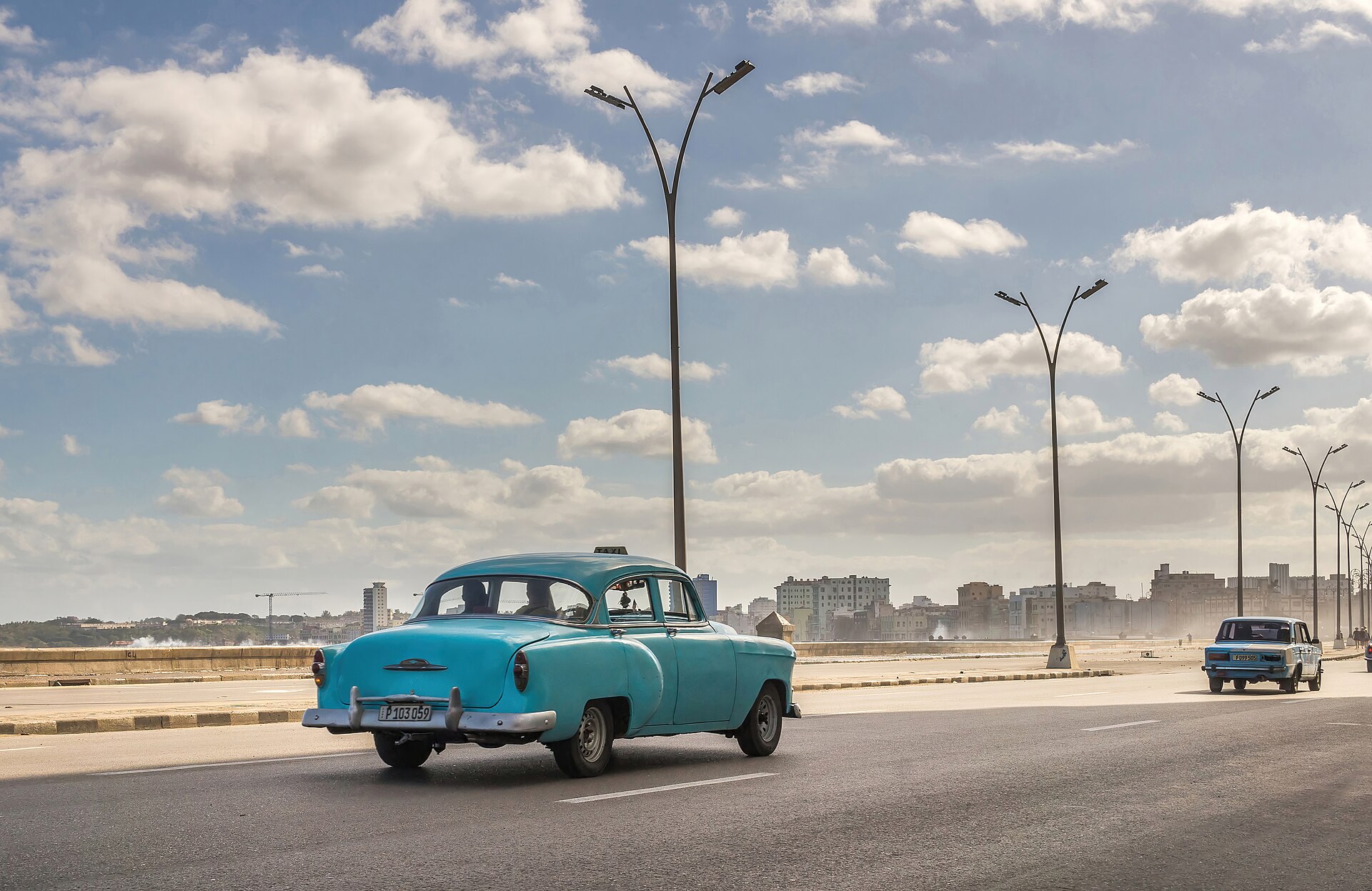
A Sector in Freefall: Cuba tourism
Tourism has long been Cuba’s second-biggest source of hard currency, behind medical services exports. The 60.7% decline means hotels in Varadero and Havana’s old town are running at a fraction of capacity.
Revenue from the sector has evaporated just as the government needs it most. The drop follows a brutal 2025, when visitor numbers had already fallen sharply from pre-pandemic highs.
For travellers, the practical impact is visible everywhere: shuttered restaurants, fewer taxis, and empty beach resorts that once bustled with Canadian and European holidaymakers. Cuban officials had hoped for a recovery in 2026, but the first-half numbers crushed that optimism.
The government has responded by slashing hotel prices and offering package deals, but the absence of key source markets like Canada and Europe remains a gaping hole. Meanwhile, the tourism workforce has seen widespread layoffs and reduced hours, further straining household incomes.
The once vibrant streets of Trinidad and Cienfuegos now feel hollow, with vendors waiting for customers who rarely come.
Sanctions Tighten the Screws
On 6 August, the US State Department announced fresh sanctions against five Cuban entities and eight individuals. The targets include Defence Minister Álvaro López Miera, senior military officials, and Cuba’s military attachés to China and Russia, Reuters reported.
Secretary of State Marco Rubio said the measures hit those involved in arms imports and foreign military cooperation. He warned there are “no escape valves” for the Cuban government, and that Washington’s pressure campaign would continue.
The sanctions build on an executive order expanded in May 2026. That order had already restricted US remittances and travel, cutting off a vital lifeline for many Cuban families and further deterring American visitors.
The latest measures specifically target the military’s role in the economy, including its control over tourism-related businesses. This could make it even harder for foreign investors to partner with Cuban entities, as they risk exposure to US penalties.
Blackouts Add to the Pain
The economic squeeze is compounded by a failing power grid. A nationwide collapse began on 2 August at 10:43 pm, with a second failure during restoration efforts, according to AP and Reuters.
Many areas went without electricity for days. EL PAÍS reports that some Cubans now experience full days — all 24 hours — without power.
That makes refrigeration impossible, water pumps useless, and air conditioning a distant memory in a Caribbean summer. For tourism, it is a dealbreaker: what traveller pays for a resort with no air conditioning or hot water?
Even basic services like internet and mobile data become unreliable during extended blackouts, leaving visitors disconnected and frustrated. The government has tried to ration power by neighbourhood, but that has not prevented a collapse of public confidence.
With the grid in such a fragile state, every thunderstorm or equipment failure brings the risk of another nationwide shut down.
What This Means for You
If you live in Latin America or have investments in the region, Cuba’s unraveling matters beyond its beaches. The tourism collapse is a leading indicator for migration pressure in the Caribbean and Florida, and it changes the risk calculus for any business eyeing Cuban markets.
For those who might visit, the reality is mixed. Flights still land, and hotels still operate, but expect rolling blackouts, limited food options, and a quieter experience than Cuba’s tourism golden era.
The island remains open — but barely.
The Road Ahead
There is no sign of relief. The US appears determined to maintain maximum pressure, and Cuba’s infrastructure problems show no quick fix.
The government has tried to woo tourists from Russia and China, but those markets have not filled the gap left by North Americans and Europeans. The first half of 2026 is a warning shot.
If the trend continues, Cuba’s tourism sector could shrink to a fifth of its 2019 level within a year. For a country that once dreamed of welcoming five million visitors annually, that is a bitter arithmetic.
More: Cuba news in English, every day from The Rio Times.
Frequently Asked Questions
How much did Cuba tourism drop in the first half of 2026?
Visitor numbers fell 60.7% year on year to 387,591 arrivals, according to ONEI data cited by Infobae. That is roughly 600,000 fewer tourists than in the first half of 2025.
Who did the US sanction in August 2026?
On 6 August, Washington targeted five Cuban entities and eight individuals, including Defence Minister Álvaro López Miera. The sanctions focus on military procurement and cooperation with China and Russia, Reuters reported.
What caused the latest blackouts in Cuba?
A nationwide grid collapse began on 2 August at 10:43 pm, followed by a second failure during restoration. EL PAÍS reports some Cubans now endure full 24-hour days without electricity.
Is Cuba tourism safe and viable for visitors right now?
You can still travel to Cuba, but expect significant disruption. Rolling blackouts, limited services, and a sparse tourism infrastructure are realities. Plan for self-sufficiency: cash, food, and patience.
Connected Coverage
Sources: Cuba’s National Statistics Office (ONEI) and tourism ministry; US State Department; Reuters
This article was produced by The Rio Times’ automated newsroom system. How we use AI · Report an error
Read More from The Rio Times