Conakry Terminal Names Édouard Léno as New Managing Director
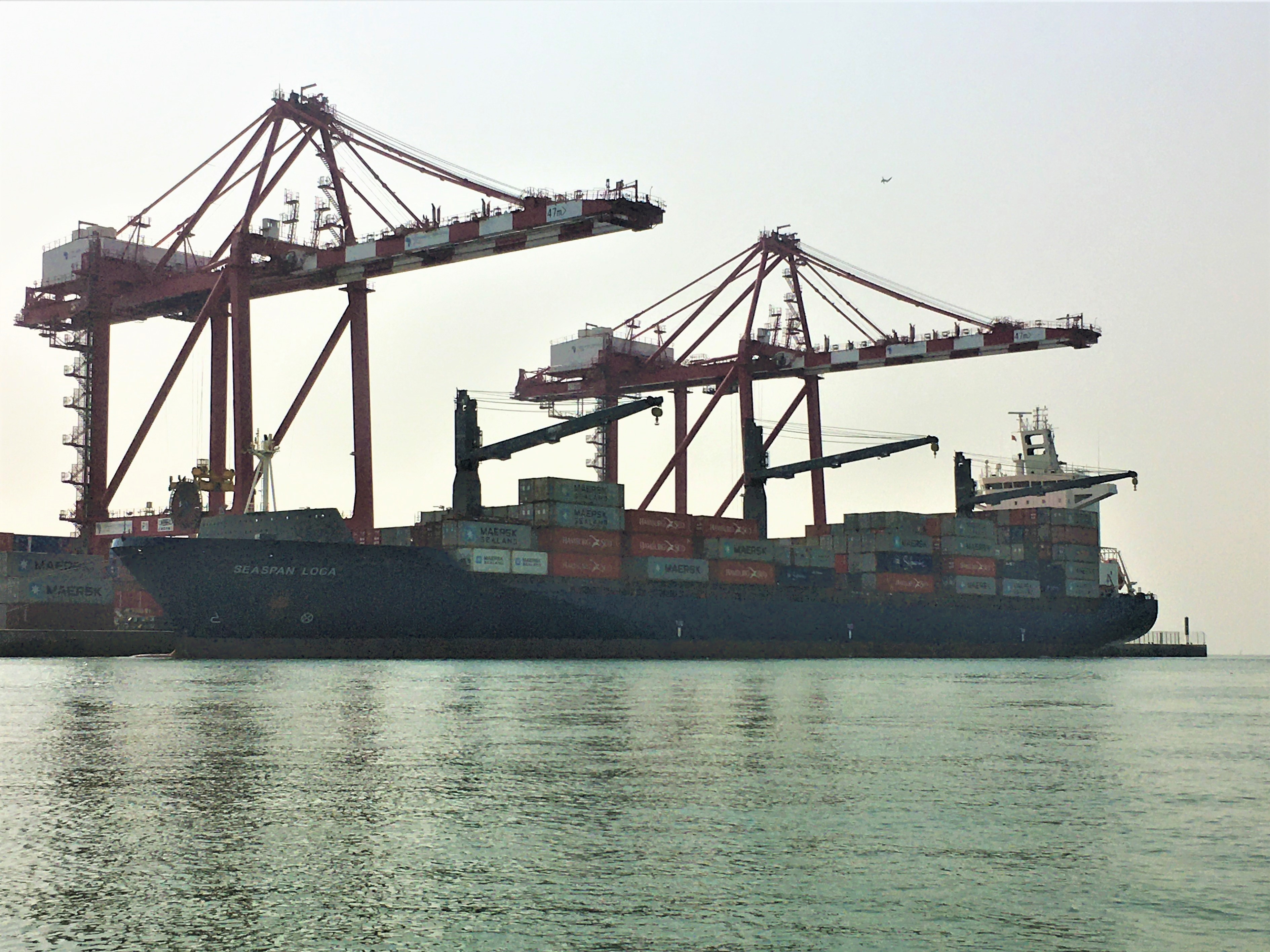
Key Facts
- —What happened Conakry Terminal named Édouard Léno as Managing Director on 11 August 2026, replacing Emmanuel Masson after more than five years.
- —The target Léno wants the terminal to handle 1 million twenty-foot equivalent units by 2029–2030.
- —The operator Conakry Terminal runs the container terminal at the Port autonome de Conakry under a 25-year concession signed in March 2011.
- —The parent Africa Global Logistics, the rebranded Bolloré Africa Logistics, has been owned by MSC since 2022.
- —What comes next Capacity expansion and modernisation work continues at a port that is central to West African maritime trade.
The Conakry Terminal appointment puts a Guinean finance executive in charge of the country’s main container gateway, with a stated ambition to reach 1 million containers handled by 2029–2030.
Conakry Terminal has appointed Édouard Léno as its new Directeur Général, or Managing Director, succeeding Emmanuel Masson. A handover ceremony took place in Conakry on 11 August 2026, attended by staff, partners and clients.
A homecoming for the new Conakry Terminal appointment
Guinean media describe Léno as an “enfant du pays,” a son of the country returning to lead the container operator at the Port autonome de Conakry. He previously served as Regional Chief Financial Officer for Africa Global Logistics, known as AGL, covering Senegal, Mali, Gambia, Guinea and Mauritania.
AGL is the rebranded successor to Bolloré Africa Logistics, the logistics arm of the French Bolloré Group. The appointment therefore places a familiar regional finance hand at the helm of one of Guinea’s most important trade assets.
Masson had led Conakry Terminal for more than five years before the handover. During his tenure, management promised to double the terminal’s capacity, a pledge that remains central to the operator’s expansion plans.
The port concession behind the Conakry Terminal appointment
Conakry Terminal operates the container terminal under a 25-year concession signed in March 2011 between the Guinean state and the Bolloré Group, through its subsidiary Conakry Terminal. The concession followed the cancellation of an earlier 25-year, US$138 million port concession awarded in September 2008 to Getma International.
Getma, a subsidiary of French company NCT Neotrans, had won a competitive tender against Bolloré, Maersk and PCB Afrimarine. After President Alpha Condé took office in December 2010, the Getma contract was revoked and the concession was reassigned to Bolloré in March 2011.
That reversal triggered international arbitration and later French investigations into alleged corruption in West African port deals. The history matters for investors and expats because it shows how political shifts in Guinea can reshape major infrastructure contracts.
The money and power stakes
Conakry Terminal is a strategic asset in West Africa’s maritime trade, handling container traffic for Guinea’s mining-driven economy. The port is a key node for bauxite exports and for imports that supply Conakry’s growing consumer and industrial base.
MSC, the global shipping and logistics group, acquired Bolloré Africa Logistics in 2022, bringing Conakry Terminal under its wider African network. That ownership change has intensified focus on capacity, efficiency and regional integration.
Léno set his ambition at a press briefing on 20 August 2026, saying the terminal should reach 1 million twenty-foot equivalent units, or TEU, handled by 2029–2030. That target signals a push to scale operations well beyond current volumes.
The great-power and South-South angle
France’s corporate footprint in West Africa has been waning, but logistics and port assets remain a significant channel of influence. The Bolloré-to-MSC transition reflects a broader shift from French conglomerate control toward global shipping capital.
For Guinea, the port is also a point of influence in the wider competition for West African trade routes. The story fits the pattern covered in Africa: The New Scramble, where infrastructure, minerals and logistics intersect with foreign commercial power.
Brazilian and other South-South investors watching Atlantic trade corridors may see Conakry’s expansion as a signal of growing container capacity in francophone West Africa. The terminal’s performance affects shipping costs and reliability for the entire region.
What the Conakry Terminal appointment means for expats
For expatriates and professionals in Guinea, a change at the top of Conakry Terminal can affect everything from import delays to the availability of goods. The terminal is the main gateway for containerised cargo entering the country.
Léno’s regional finance background suggests continuity in AGL’s commercial discipline, but his Guinean roots may also bring sharper attention to local relationships. The handover was framed as a return of local talent to a high-profile operational role.
Capacity expansion and modernisation remain the stated priorities, with the previous management’s promise to double capacity still guiding investment. If the 1 million TEU target is met, Conakry could become a more reliable and faster port for business and personal imports.
What to watch next
The next milestones will be visible in terminal throughput data and any announcements on new equipment or berth upgrades. Investors should watch whether AGL and MSC commit fresh capital to Conakry’s expansion.
The 2029–2030 target gives a clear timeline for measuring progress. Any political shifts in Guinea could again test the concession’s stability, given the port’s contested history.
For now, the Conakry Terminal appointment marks a leadership change with a clear growth mandate. The port’s trajectory will shape Guinea’s trade competitiveness for years to come.
Frequently asked questions
Who is the new Managing Director of Conakry Terminal?
Édouard Léno was appointed Managing Director on 11 August 2026, succeeding Emmanuel Masson.
What is Conakry Terminal’s container handling target?
Léno aims for the terminal to handle 1 million twenty-foot equivalent units by 2029–2030.
Who owns Conakry Terminal’s parent company?
Africa Global Logistics, the rebranded Bolloré Africa Logistics, has been owned by MSC since 2022.
Connected Coverage
Sources
This article was produced by The Rio Times’ automated newsroom system. How we use AI · Report an error · Editorial responsibility: Matthias Camenzind, Editor-in-Chief
LatAm Markets: Live Signals → — real-time movers, turnover leaders and FX across Latin America.