Colombia’a Gustavo Petro: “Being President Is Absolute Unhappiness and Sacrifice”
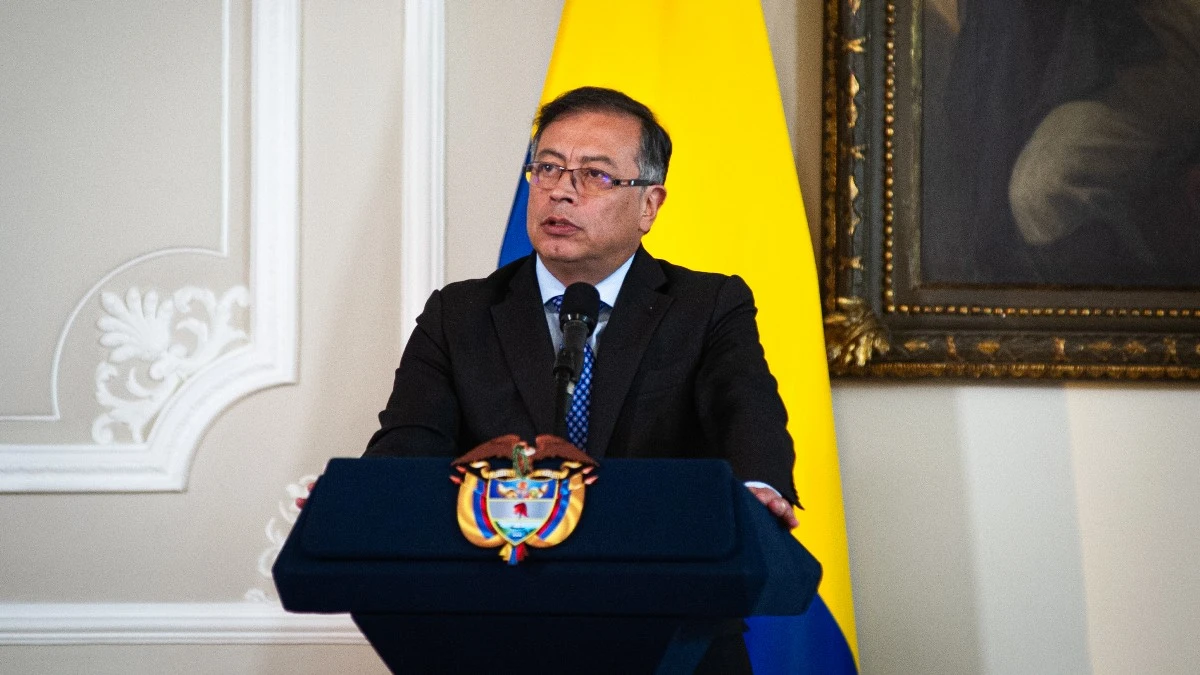
In an exclusive interview with El País, Colombian President Gustavo Petro offered a candid assessment of his two and a half years in office. Speaking from the Casa de Nariño, Petro described his presidency as “an absolute unhappiness” and a profound sacrifice.
The 64-year-old leader expressed disillusionment with the constraints of power, the challenges of implementing reforms, and the personal toll of political life.
Petro admitted to missteps, including trusting the wrong people and believing he could lead a revolution through governance alone. “A revolution is made by the people,” he stated.
His presidency has been marked by internal tensions, with televised cabinet meetings exposing discord among ministers. He criticized some members of his team for pursuing personal political agendas rather than focusing on his administration’s goals.
One of the most significant blows to Petro‘s presidency has been the legal troubles of his son, Nicolás Petro Alcocer, who faces charges of money laundering and illicit enrichment tied to campaign funds.
Petro acknowledged his son’s mistakes but accused political opponents of exaggerating the case to undermine him. “They are trying to destroy me through my family,” he said.
Petro’s Leadership
Petro also reflected on strained relations with the United States, particularly with former President Donald Trump. In January, he refused to accept deported Colombians transported in what he called “humiliating conditions,” leading to a brief diplomatic standoff.
While Trump threatened tariffs, Petro insisted he would not back down on principles. He claimed victory in ensuring deportees now return without chains or restraints.
Domestically, Petro faces significant obstacles in advancing key reforms on health and labor through Congress. He lamented that his administration has been “cornered by other powers and economic interests” and criticized political allies for reneging on agreements.
Despite these challenges, he remains committed to pursuing transformative policies to address Colombia‘s deep-seated inequalities. Looking ahead to the 2026 elections, Petro expressed concerns about the rise of far-right populism in Colombia, likening it to Argentina’s Javier Milei.
He advocated for a broad progressive coalition but refrained from endorsing specific candidates. Petro’s presidency has been defined by both ambition and adversity.
As he enters his final 18 months in office, he faces mounting pressure to deliver meaningful change. At the same time, he must navigate political turbulence and personal challenges.
More: Colombia news in English, every day from The Rio Times.
This article was produced by The Rio Times’ automated newsroom system. How we use AI · Report an error
Read More from The Rio Times