Cocaine Now Out-Earns Oil in Colombia, a New Study Finds

Economy · Colombia · Analysis
Key Facts
The Colombia cocaine economy has quietly grown into one of the country’s largest earners, and a new study says it now out-earns oil, the nation’s flagship legal export.
Colombia has long thought of itself as an oil and coffee economy. A new piece of research suggests that picture is now badly out of date.
According to a study from the EAFIT University think tank Valor Público, with the University of the Andes, cocaine generated about sixteen and a half billion dollars for criminal groups in 2024. That is roughly 4.4 percent of the entire economy.
What the Colombia cocaine economy study found
The headline number is a record. Cocaine revenue rose from about 0.8 percent of output in 2014 to 4.4 percent a decade later, the highest share the researchers have measured.
It also crossed a symbolic line. The authors, economists Santiago Tobón and Daniel Mejía, say 2024 was the first year since 2014 that cocaine out-earned any traditional export.
The comparison is stark. Oil exports brought in about fifteen billion dollars that year, coal seven billion, legal gold four billion and coffee three and a half billion.
Cocaine topped them all. By the study’s reckoning, the trade is also worth about five times Colombia’s illegal-gold economy.
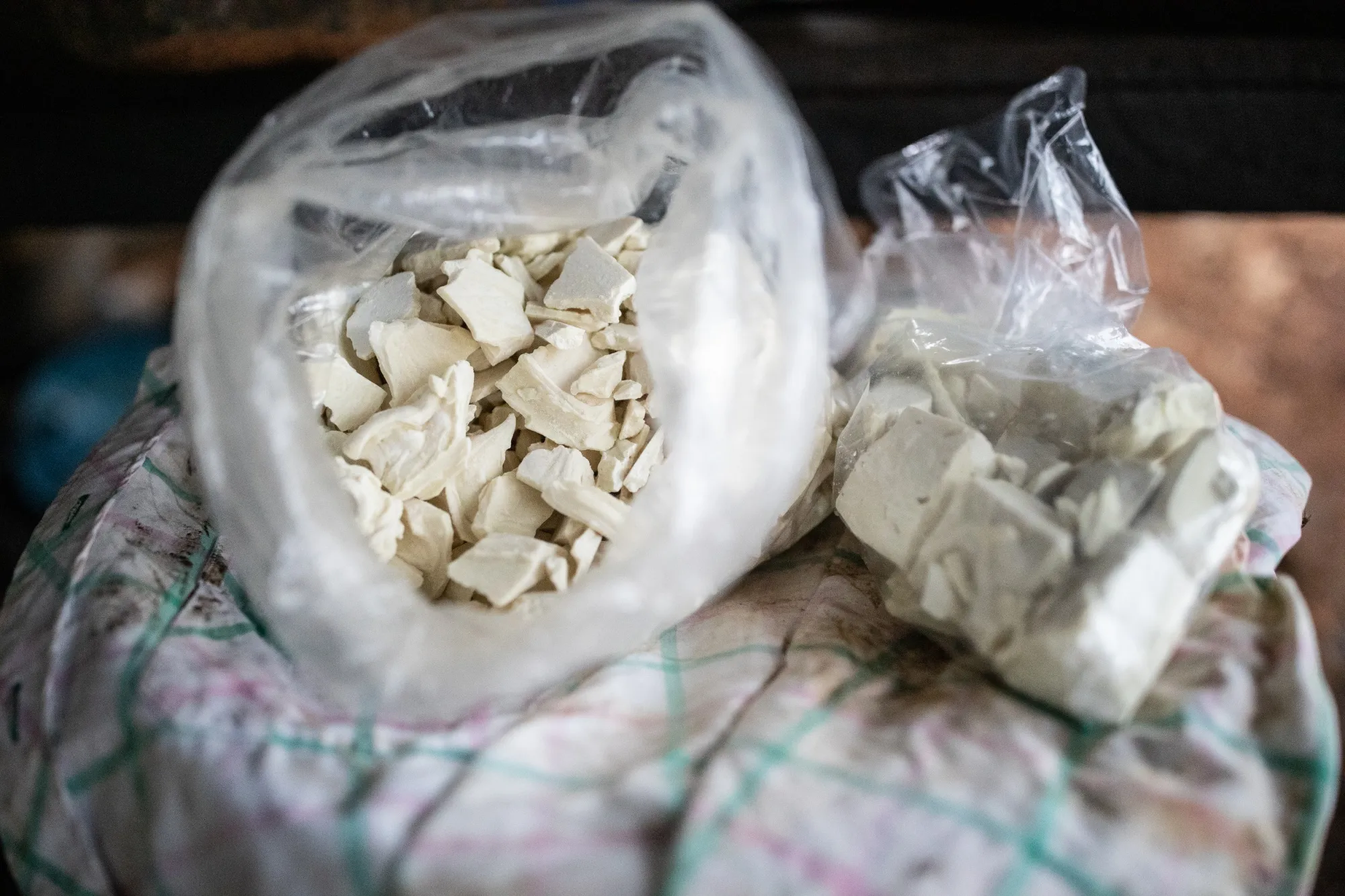
Why the figure is bigger than older estimates
The growth is almost entirely about volume, not price. Potential output rose from under three hundred tonnes in 2013 to around three thousand in 2024, while the price Colombian groups capture stayed broadly flat.
The bigger shift is in how the value is counted. Older estimates used the price near the border, where a kilo fetched roughly two thousand dollars when handed to foreign buyers.
The new work argues Colombian organisations hold on to the cargo far longer, especially into Europe, where they act as wholesalers. Measured that way, the average value they capture is near six thousand dollars a kilo.
The journey explains the gap. A kilo worth about fourteen hundred dollars in a Colombian lab sells for roughly twenty-eight thousand at wholesale in the United States, and more again in Europe.
Older estimates booked only the value at the border. The study counts the slice Colombian groups keep deeper into that chain, which is why its total dwarfs earlier ones.
The authors are careful about the uncertainty. They put the plausible range at four to nearly five percent of the economy, and note that the comparison with oil partly reflects a weak crude price in 2024.
Why it lands at a charged political moment
The timing is pointed. The study arrived just as Colombia chose a new president, the hardline lawyer Abelardo de la Espriella, who takes office in August 2026—and inherits an economy where, as our reporting has shown, drug profits now rival legal foreign currency flows and remittances have already surpassed petroleum earnings.
The researchers note he inherits a larger and more profitable drug economy than the outgoing government found in 2022. Forced eradication of coca fields fell by about 91 percent between 2020 and 2024.
De la Espriella has promised a security crackdown, including US-backed strikes on trafficking routes. The study implies that brute force alone has a poor record against an economy this large and this rooted in rural livelihoods.
For foreign investors, the message is sobering. A shadow economy worth a twentieth of national output shapes security, regional politics and Colombia’s fraught relationship with Washington, whatever the official export tables show.
How big is the Colombia cocaine economy?
A 2026 study by EAFIT University and the University of the Andes estimates cocaine generated about sixteen and a half billion dollars for criminal groups in 2024, around 4.4 percent of GDP. The authors give a range of four to nearly five percent and stress the figure is hard to measure precisely.
Does cocaine really out-earn oil in Colombia?
By the study’s numbers it did in 2024, when cocaine’s roughly sixteen-and-a-half-billion-dollar haul topped oil exports near fifteen billion, the first such reversal since 2014. The authors caution that the gap partly reflects a weak oil price that year.
Why has the Colombia cocaine economy grown so fast?
The growth came chiefly through volume, as potential cocaine output rose roughly tenfold in a decade while the price Colombian groups capture stayed broadly stable. A better method for valuing the trade further into the supply chain also lifts the estimate.
More: Colombia news in English, every day from The Rio Times.
Frequently Asked Questions
How much money did cocaine generate for criminal groups in Colombia in 2024?
According to the EAFIT University think tank Valor Público and the University of the Andes, cocaine generated about sixteen and a half billion dollars for criminal groups in 2024. That figure represents approximately 4.4 percent of Colombia's entire economy, which the researchers say is a record high.
How does cocaine revenue compare to Colombia's oil exports in 2024?
2024 was the first year since 2014 that cocaine out-earned oil, which is Colombia's top legal export. This marks a significant symbolic milestone, as Colombia has long considered itself primarily an oil and coffee economy.
How has Colombia's cocaine economy changed over the past decade?
Cocaine revenue grew from about 0.8 percent of Colombia's economic output in 2014 to 4.4 percent in 2024, with output jumping roughly tenfold over that period. The researchers note that prices stayed broadly flat during this time, meaning the growth was driven primarily by increased production rather than higher prices.
Connected Coverage
Colombia’s Cocaine Numbers Revolt: When Data Becomes a Political Weapon
De la Espriella Wins Colombia Election, Markets Cheer a Fiscal Squeeze
This article was produced by The Rio Times’ automated newsroom system. How we use AI · Report an error · Editorial responsibility: Matthias Camenzind, Editor-in-Chief