China’s Unseen A.I. Surge: Leading the Global Charge in Generative Technology
China is not just participating in the artificial intelligence race; it’s leading it.
A recent survey of 1,600 industry executives from 16 countries reports that while the global average for AI adoption is 54%, in China this figure escalates to 83%.
Unlike other nations, China restricts foreign AI products, fostering a vast, albeit tightly controlled, domestic market.
This surge is not trivial. By 2023, the generative AI market in China is projected to exceed 10 trillion yuan ($1.4 trillion).
This growth spans multiple sectors—from manufacturing to healthcare—reflecting an economy increasingly reliant on AI.
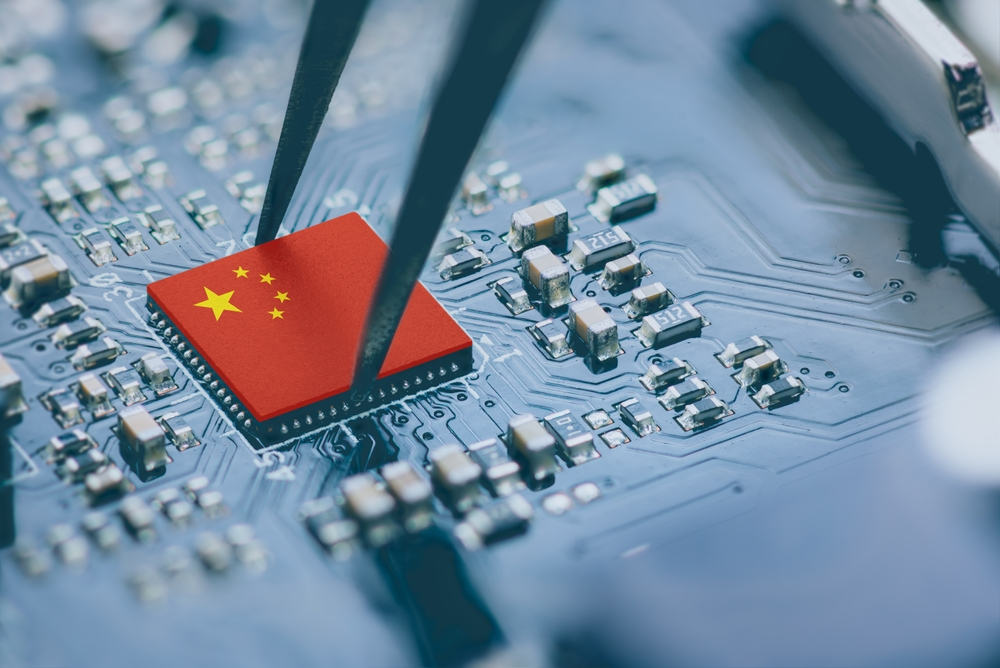
By 2035, this technology could pump nearly 90 trillion yuan into the global economy, with China contributing a staggering 40%.
Moreover, China’s use of AI extends beyond commerce. The technology is also employed for monitoring workers and users, raising concerns about privacy and surveillance.
Nevertheless, this practice underscores the deep integration of AI into China’s socio-economic fabric.
Robust regulations support the nation’s proactive stance, promoting responsible AI usage while protecting data privacy.
This dual approach of aggressive expansion and stringent control could set a global benchmark in AI governance.
Why does this matter? AI is not just about technology; it’s about the future of how economies operate, governments govern, and societies function.
China’s AI ascendancy positions it at the heart of these transformations, making its strategies and outcomes crucial for global stakeholders in technology, economics, and ethics.
This article was produced by The Rio Times’ automated newsroom system. How we use AI · Report an error
Read More from The Rio Times