China’s Boeing Ban Signals Deepening U.S.-China Trade Rift
China has ordered its airlines to halt all new deliveries of Boeing jets and to stop buying U.S. aircraft parts. This move comes as a direct response to the United States imposing tariffs of up to 145% on Chinese goods.
China retaliated with its own 125% tariffs on American products, more than doubling the cost of U.S.-made aircraft and making further Boeing purchases unworkable for Chinese carriers.
Boeing’s shares dropped as much as 4.6% in pre-market trading after the news broke. The ban immediately affects about 10 Boeing 737 jets that were set for delivery to Chinese airlines.
Some of these planes are already built and waiting in Seattle or at Boeing’s Chinese delivery center.
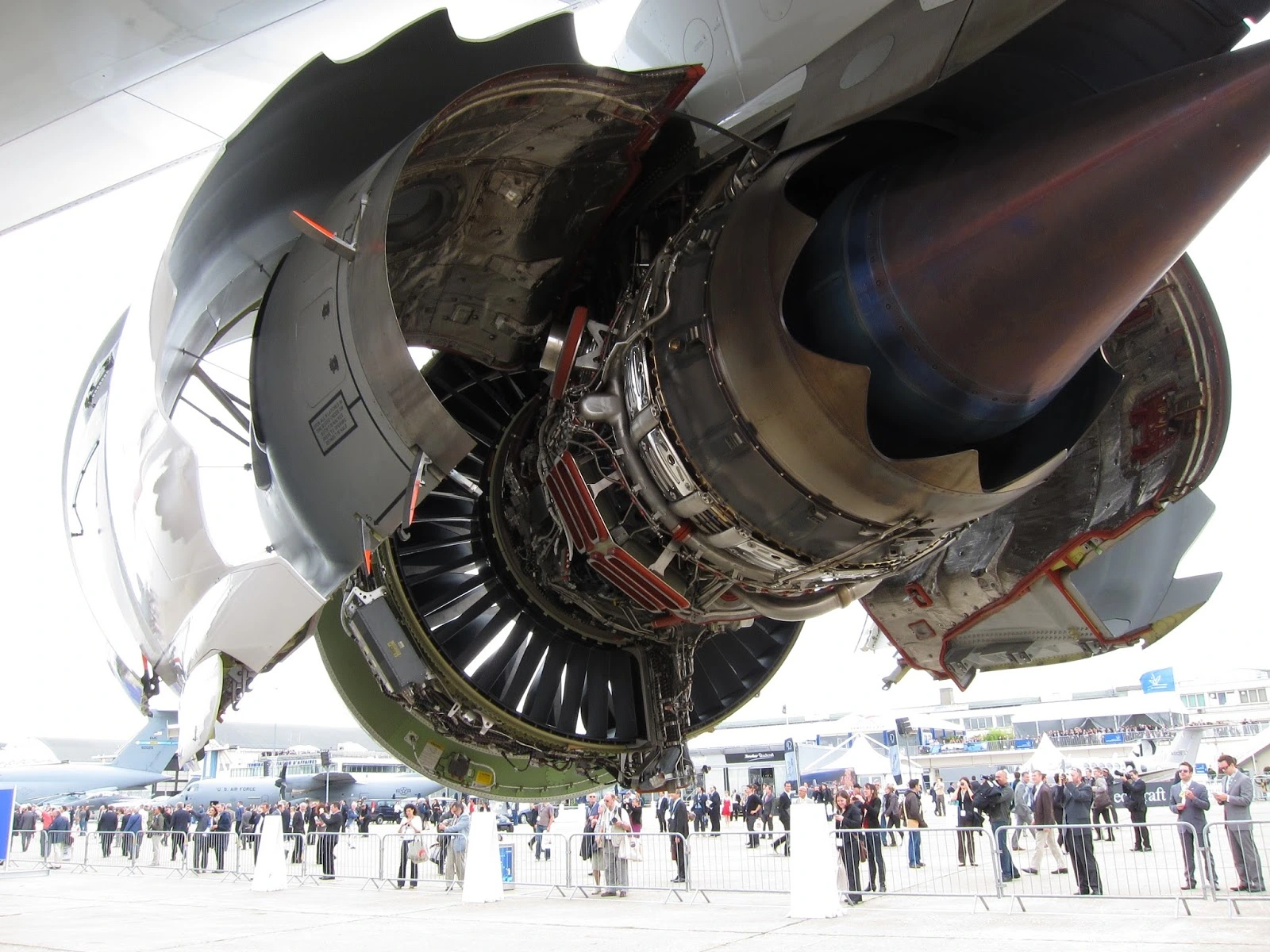
The Chinese government is also considering ways to help airlines that lease Boeing jets and now face higher costs due to the tariffs.
This escalation marks a new phase in the trade war between the world’s two largest economies.
The U.S. administration, led by President Trump, has framed the tariffs as a way to rebalance trade and bring manufacturing back to American soil.
The White House is also considering using tariff revenue to offset or replace income taxes, referencing the pre-1913 U.S. fiscal model.
For Boeing, the loss of the Chinese market is a major blow. China accounts for about 20% of projected global aircraft demand over the next two decades.
China’s Boeing Ban Signals Deepening U.S.-China Trade Rift
The country has previously used Boeing as leverage in trade disputes, grounding the 737 Max after two fatal crashes in 2019 and being among the last to allow its return to service.
The ban also highlights China’s push to develop its own aviation industry, with the state-owned Comac C919 positioned as a competitor to Boeing’s 737.
However, Comac’s export reach remains limited, and Airbus, Boeing’s European rival, stands to benefit in the short term.
The trade war’s impact extends beyond large corporations. Small U.S. businesses, which handle a third of American imports, face higher costs and layoffs.
While many American workers and business owners support the tariffs as a patriotic move, small firms are struggling with the financial shock.
The situation remains fluid. Both sides have signaled a willingness to escalate further, but the immediate effect is clear.
Boeing loses access to a critical market, and the global aviation supply chain faces new uncertainty.
This article was produced by The Rio Times’ automated newsroom system. How we use AI · Report an error
Read More from The Rio Times