China to Inspect 17 Brazilian Meat Plants in September
BRAZIL · MEAT EXPORTS
Key Facts
- —What is happening A Chinese inspection mission will visit Brazilian meat plants from 20 to 28 September.
- —How many plants Seventeen units.
- —Whose plants JBS, Minerva and MBRF, the company created by the merger of Marfrig and BRF.
- —Why it matters China is the largest buyer of Brazilian beef and poultry. Plant-by-plant approval is how access is granted.
- —A name to get right MBRF, not BRF. The merged entity is the one named in the mission.
- —What is not known Which Chinese authority is conducting the mission has not been named in available reporting.
Chinese inspectors will spend nine days inside seventeen Brazilian meat plants. What they decide sets export volumes for years.
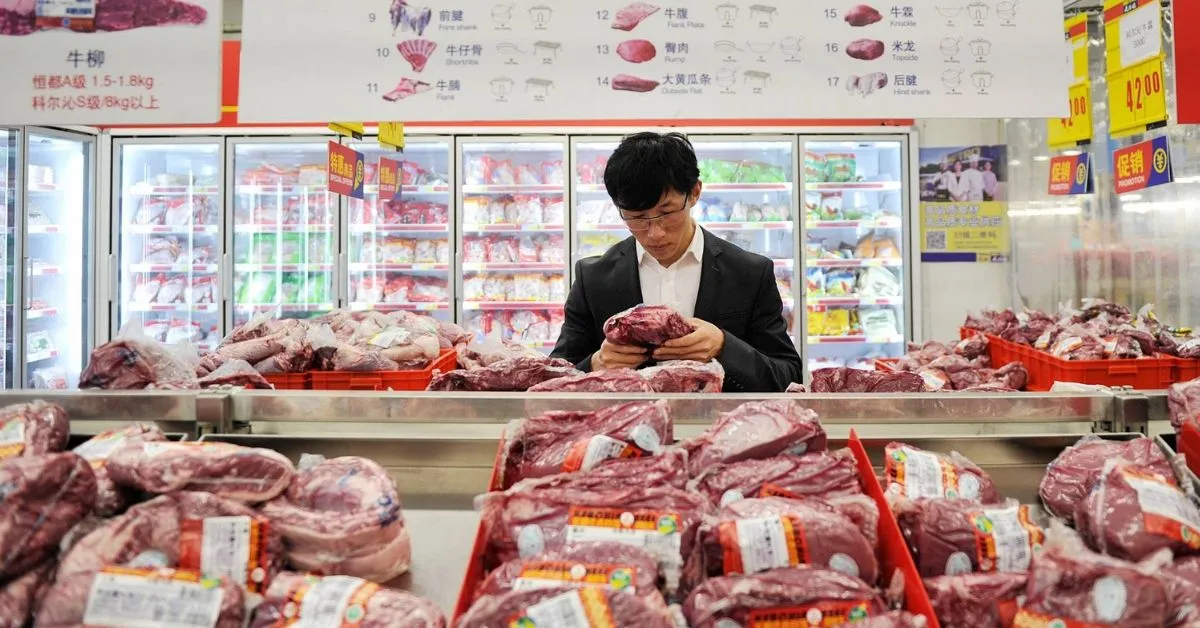
A Chinese inspection mission will visit seventeen Brazilian meat processing units between 20 and 28 September. The plants belong to JBS, Minerva and MBRF, the merged Marfrig and BRF entity.
What an Inspection Mission Does
China does not grant market access to a country. It grants it to individual plants.
An inspection team visits each facility and assesses hygiene, traceability, veterinary supervision and record-keeping against Chinese requirements.
A plant that passes is added to the approved list and may export. A plant that fails is not, regardless of what its neighbours do.
The list is maintained by Chinese customs and is published, which is how exporters know where they stand.
The Companies
JBS is the largest meat company in the world by revenue and operates plants across Brazil.
Minerva is the largest beef exporter in South America and has expanded through acquisitions in Argentina, Uruguay and Paraguay.
MBRF is the entity formed by the merger of Marfrig and BRF, bringing beef and poultry under one company.
Reports naming BRF rather than MBRF are using the pre-merger name.

Why China Decides Brazilian Prices
China buys more Brazilian beef than any other country, by a wide margin.
When Chinese demand moves, Brazilian cattle prices move with it, which reaches Brazilian consumers at the butcher counter.
Approved plants command a premium over unapproved ones because they can access the largest market.
A mission that approves seventeen units expands capacity for the export channel that sets the domestic price.

The History of Suspensions
China suspended Brazilian beef imports entirely in 2021 after two atypical BSE cases, and again in 2023 for the same reason.
Each suspension lasted weeks and cost Brazilian exporters hundreds of millions of dollars.
The protocol between the two countries now provides for suspension of the affected plant rather than the whole country in some circumstances.
That change is why plant-level approval has become the centre of the relationship.
What Is Not Confirmed
The Chinese authority conducting the mission has not been named in reporting available so far.
The customs administration, GACC, normally leads inspections of this kind, but that has not been stated for this mission.
The specific plants have not been listed publicly either.
What is established is the window, the count and the three companies.
What It Means for Brazil
Agribusiness is Brazil’s largest export sector and meat is its most politically sensitive component.
Beef exports have grown for most of the past decade and the constraint has been market access rather than production capacity.
Approvals also matter for the currency. Meat is a dollar-earning export in an economy that needs them.
For Brazilian consumers the effect runs the other way. More export capacity tends to mean higher domestic beef prices.
What to Watch
The publication of approvals after the mission ends on 28 September. It typically takes weeks.
Whether all seventeen units clear, which is not the usual outcome.
Chinese import volumes in the fourth quarter, published monthly by GACC.
And cattle prices at the Brazilian arroba, which respond to approvals before shipments do.
More: Brazil news, every day from The Rio Times.
Frequently Asked Questions
When is the Chinese inspection mission?
From 20 to 28 September 2026.
How many plants will be inspected?
Seventeen units.
Which companies?
JBS, Minerva and MBRF, the entity created by the merger of Marfrig and BRF.
Is it BRF or MBRF?
MBRF. The merged Marfrig and BRF entity is the one named in the mission.
Which Chinese authority is conducting it?
Not named in available reporting. Inspections of this kind are normally led by Chinese customs.
Why does plant approval matter?
China grants export access plant by plant, not country by country. Only approved units may ship.
Sources: Ministério da Agricultura e Pecuária, ABIEC, JBS, Minerva Foods, MBRF, Reuters, Valor Econômico.
This article was produced by The Rio Times’ automated newsroom system. How we use AI · Report an error
Read More from The Rio Times