Chile 2027 Budget: Kast Raises Spending 1.5% and Vows to Check Every Peso
CHILE · ECONOMY
Key Facts
- —What happened On 30 September 2026 Chile’s government sent Congress its 2027 budget bill, with spending up 1.5% on 2026, La Tercera and EMOL reported.
- —How big Total spending would exceed 90 trillion pesos (about US$92.5 billion at 972.53 pesos per dollar, 30 September close), La Tercera reported.
- —Where the money goes Security gets 7 trillion pesos (about US$7.2 billion), up 9.1%; jobs and reconstruction get 9.5 trillion pesos (about US$9.8 billion), up 8.1%.
- —The promise President José Antonio Kast said no legally guaranteed benefit will be cut, but the state will verify every peso of social spending.
- —What comes next Congress has 60 days to debate the bill; the Chamber of Deputies formally receives it on Monday 5 October.
The Chile 2027 budget is President Kast’s first: spending grows 1.5%, the smallest rise in two decades outside the pandemic years.
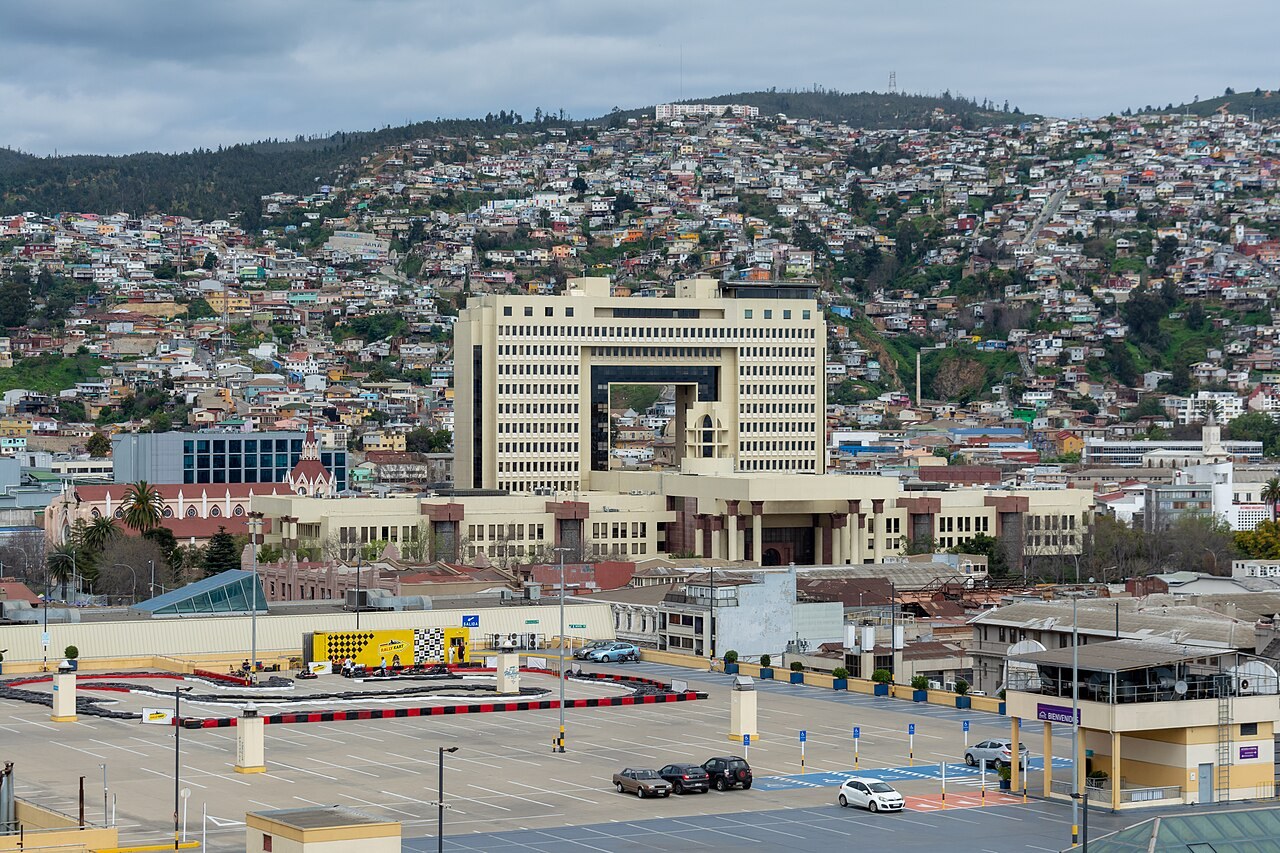
Chile’s government has sent Congress a 2027 budget that raises public spending by 1.5% on expected 2026 spending. President José Antonio Kast presented it on television on 30 September and promised no cuts to benefits guaranteed by law.
Kast’s first budget in numbers
Kast is a right-wing president who took office in March 2026. This is the first budget his team has written from scratch.
Finance Minister Jorge Quiroz and Budget Director José Pablo Gómez delivered the bill to Congress earlier on Wednesday. Kast then explained it in a national broadcast that evening.
Total spending would exceed 90 trillion pesos, about US$92.5 billion at 972.53 pesos per dollar (30 September), La Tercera reported. In Spanish, that figure is written as 90 billones.
Kast said spending had been expected to grow between 0% and 1%. “We decided to make an additional effort of half a point to speed up the recovery, investment and employment,” he said.
Four priorities: jobs, security, children, benefits
Growth, jobs and reconstruction receive 9.5 trillion pesos (about US$9.8 billion), 8.1% more than this year. The plan includes 241 public maintenance works, brought forward to start in January.
Security receives 7 trillion pesos (about US$7.2 billion), up 9.1%. The money funds 1,000 new places in the Carabineros, Chile’s national police, and almost 18% more for the prison service.
Programmes for vulnerable children receive 2.5 trillion pesos (about US$2.6 billion), up 4.1%. Health spending rises 4.7%, with more money to cut hospital waiting lists.
Education keeps 17.3 trillion pesos (about US$17.8 billion), the second-largest item after health. The Universal Guaranteed Pension (PGU), a state pension, keeps 7 trillion pesos (about US$7.2 billion) for 2.2 million people.
“The state will verify every peso”
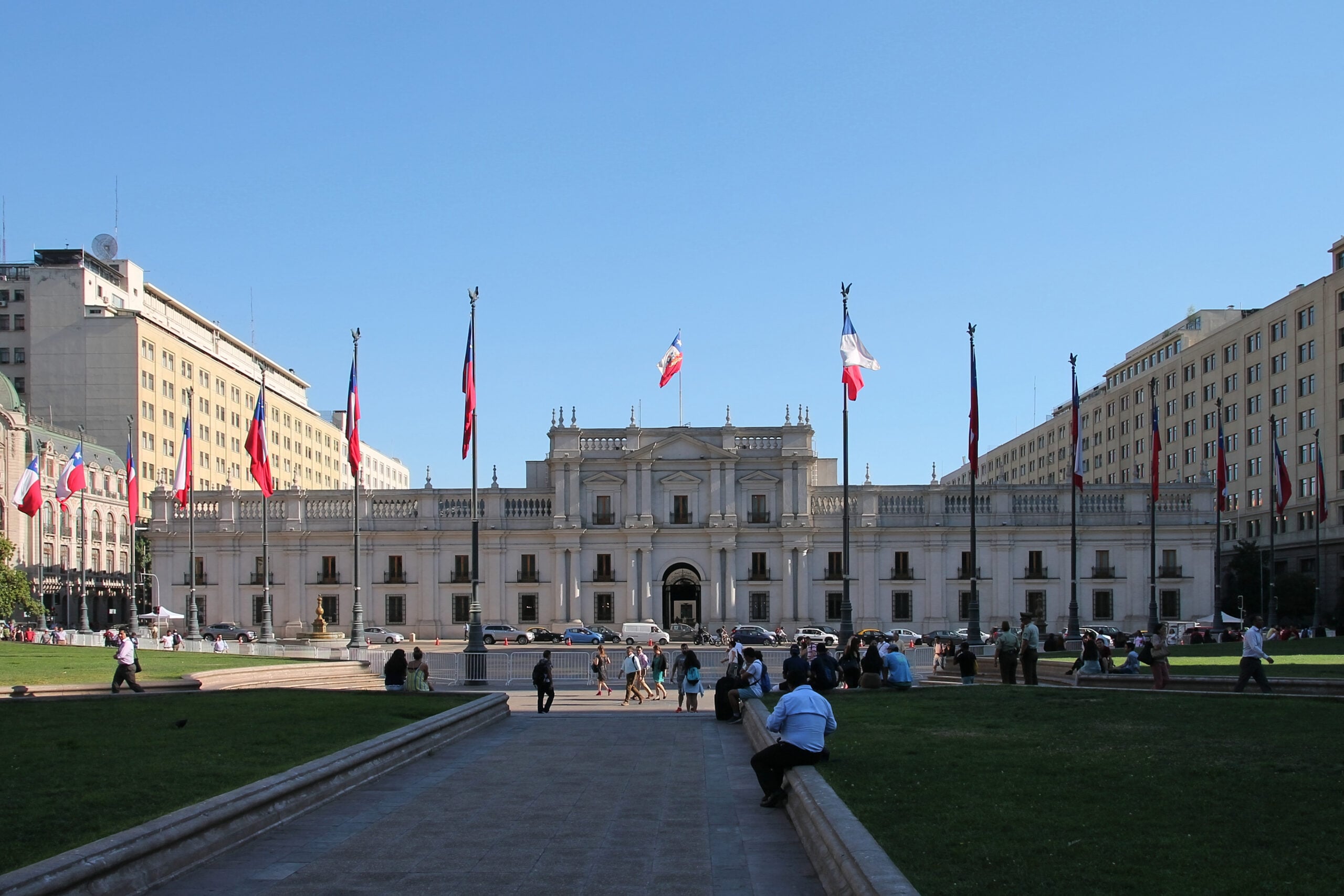
The line that drew most attention concerned social spending. “None of the benefits that the law guarantees will be touched,” Kast said.
“What will change is that the state will verify every peso of social spending,” he added. Officials will cross-check public registers so that payments reach only people who qualify.
“The requirements do not change. The amounts do not change,” Kast said, according to La Tercera. “What changes is the care of the resources of all Chileans”.
632 programmes reviewed, cheaper office rents
For this budget, each ministry had to project its spending for five years, not just one. The government says it reviewed 632 programmes in 23 ministries, EMOL reported.
“Those that work will grow,” Kast said. “Those that do not deliver results will have to improve before receiving one more peso”.
He also named waste he wants to end. The state paid more than 8 billion pesos (about US$8.2 million) above market prices through framework purchasing contracts, he said.
Moving public office rents to market levels could save up to 5 billion pesos (about US$5.1 million) a year, Kast said. Each agency will now report what it pays for purchases and rent.
Why the increase is so small
Diario Financiero (DF), a Santiago business daily, called the 1.5% rise the smallest in at least two decades. That excludes 2022, when spending fell after pandemic support ended.
Spending is expected to grow 2.2% in 2026, according to the latest official public finance report cited by DF. The 2026 budget had been approved with growth of 1.7%.
Kast said Chile had spent much of its savings and borrowed more each year. In 2026, 5.3% of the budget went to interest on public debt, he said.
The pressure is also social. Unemployment reached 9.6% in the June to August quarter, DF reported, and Kast said 980,000 people are looking for work.
Support on the right, doubts on the left
Government allies called the plan austere and responsible. Deputy Ximena Ossandón of the centre-right National Renewal (RN) said the rise was “more than we expected”.
She also regretted that the Tuesday preview for allied lawmakers gave almost no detail. “Here we have no detail at all,” she told DF.
The opposition asked what will be cut. Gael Yeomans, president of the left-wing Broad Front (FA), said Kast had not explained “which areas will suffer cuts”.
Andrea Macías, a deputy for the Socialist Party (PS), put it more bluntly. “The numbers do not add up,” she said, asking which of the 632 programmes would disappear.
What comes next for the 2027 budget
Kast said the plan is fully funded and meets the government’s deficit target, without giving the figure. The government has not said which programmes will shrink.
Congress has 60 days to debate the bill, and the government wants it approved by 30 November. For residents and investors, the detail of each ministry’s line will show where the cuts fall.
More: Chile news, every day from The Rio Times.
Frequently Asked Questions
How much will Chile spend in 2027?
The 2027 budget bill raises spending by 1.5% on expected 2026 spending. La Tercera reported that total spending would exceed 90 trillion pesos, about US$92.5 billion at the 30 September exchange rate.
Will Chile cut pensions or social benefits in 2027?
President Kast said no benefit guaranteed by law will be cut. The Universal Guaranteed Pension keeps 7 trillion pesos (about US$7.2 billion), but the state will cross-check registers to verify who receives payments.
When will Congress approve the Chile 2027 budget?
Congress has 60 days to debate the bill, which reached it on 30 September 2026. Government allies expect a vote by the end of November, while opposition parties want more detail first.
Sources: La Tercera · La Tercera (reactions) · EMOL · Diario Financiero
This article was produced by The Rio Times’ automated newsroom system. How we use AI · Report an error
In depth
Read More from The Rio Times