Chile and Argentina to study scenarios for the future of the Southern Cross Peacekeeping Force
By Nicolás García
The Combined Joint and Combined Chiefs of Staff (JCS) of the Combined Peace Force (CPF) Cruz del Sur will develop in Santiago from April 16 to 21 the 1st Bilateral Technical Meeting of 2023 to determine the level of training achieved by this Chilean-Argentine military unit.
Cruz del Sur is a bi-national initiative that considers the formation of a military force to be used in peacekeeping missions under the United Nations mandate.
It was born during bilateral talks between 2005 and 2006, and its constitution was formalized through a Memorandum of Understanding signed in 2011.
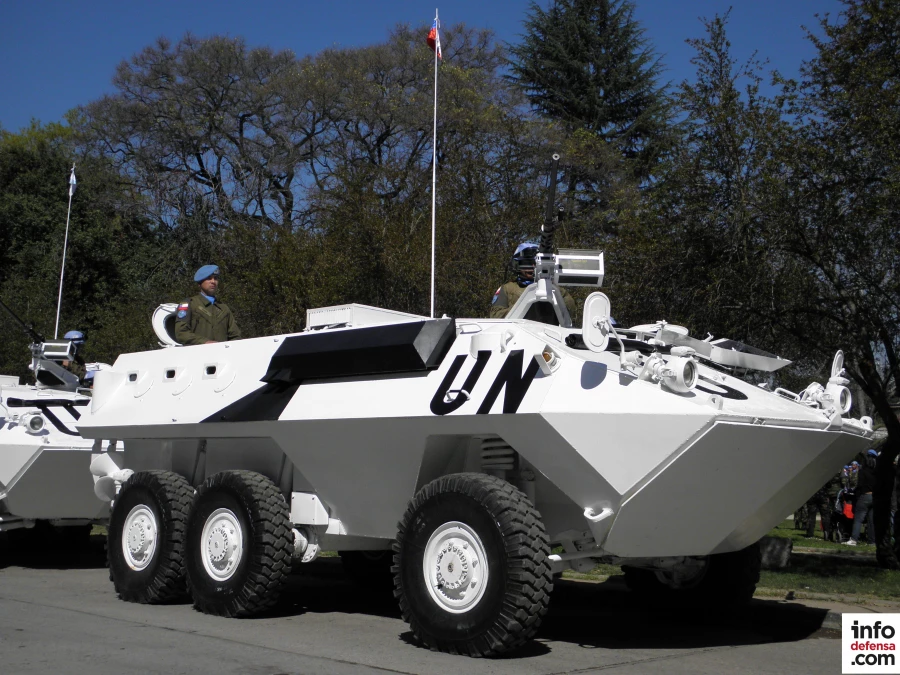
The FPC resumed face-to-face activities in February of this year in Buenos Aires after being partially interrupted by the coronavirus pandemic.
After the induction period, activities were initiated to comply with the Binational Training Directive for 2022-2024.
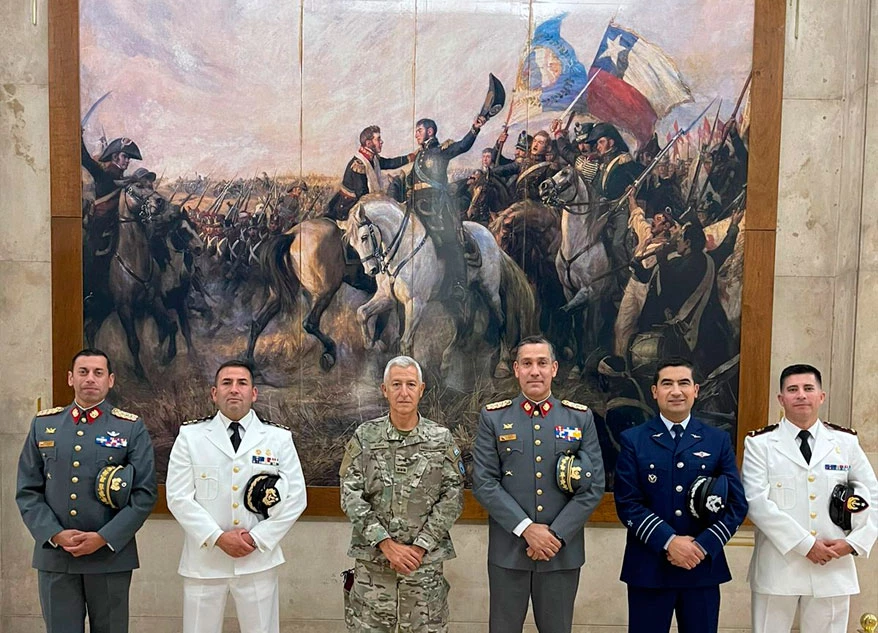
PLANNING, OPERATIONS, AND PROCEDURES
According to the Chilean Joint Chiefs of Staff (Emco), this stage includes a cabinet exercise at the Simulation and Experimentation Center of the Argentine Army (Cesime) from October 2 to 6, when meetings and seminars will be held for planning purposes, and an exercise with the deployment of troops in the field to be carried out in Chile in 2024.
The main objective of the activities is to unify planning criteria and execute operations and procedures at a combined level that will enable the interoperability and integration of the forces.
Likewise, it is expected that the commands and advisors of the FPC Cruz del Sur will be able to handle highly complex situations typical of peace operations effectively.
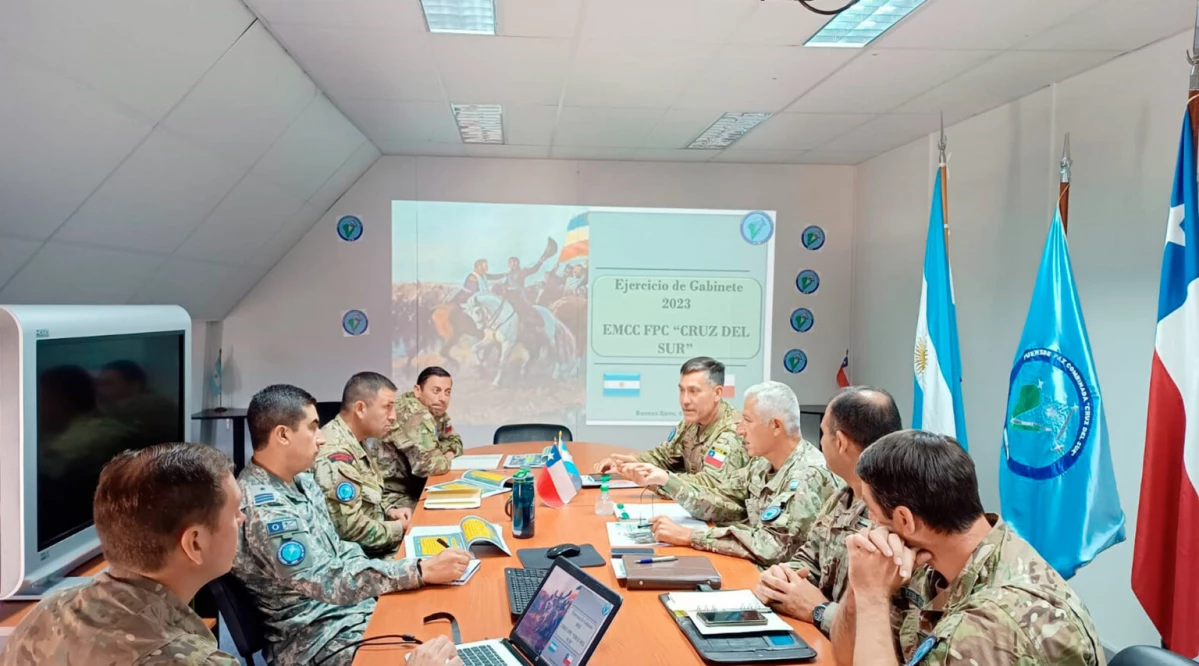
As part of the 1st Bilateral Technical Meeting, the probable scenarios where the next exercise of troops in the field will be executed will be recognized in situ and will determine the troops and means to be deployed.
The analysis and elaboration of the proposal to modify the Memorandum of Understanding signed by both countries in 2011 will be carried out.
The conclusions of this meeting will also be presented and submitted for approval, in addition to the proposal for the modularization of the force and possible scenarios for its future deployment and use.
CRUZ DEL SUR
Chile and Argentina signed a Memorandum of Understanding in 2008 for the development, equipping, and training of the Cruz del Sur Combined Peace Force.
This initiative established a Bilateral Working Group to implement a military force under the UNSAS (United Nations Stand by Arrangement System) standard that could be used in peace operations under the UN mandate.
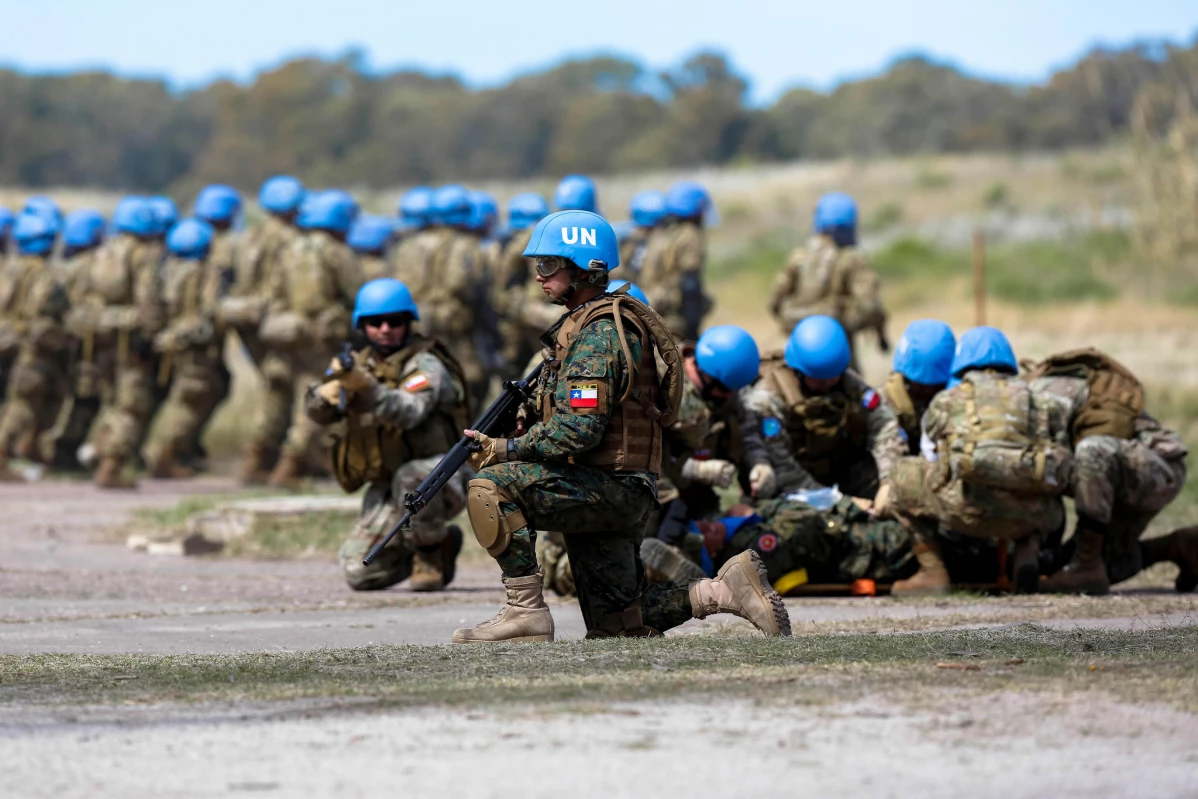
The Ministers of Defense of both countries, together with the UN Secretary-General, signed a Memorandum of Understanding on June 14, 2011, which formalized its constitution and made this force available to be deployed in peacekeeping missions, subject to prior approval of employment of both countries and under the parameters and procedures of the system.
The Binational Military Authority directs the Southern Cross CPF and has a Joint and Combined Chiefs of Staff (JCS).
This team advises the Binational Military Authority regarding the organization, equipment, training, and employment of Cruz del Sur.
It has operated since 2007 and yearly rotates its headquarters between Santiago and Buenos Aires.
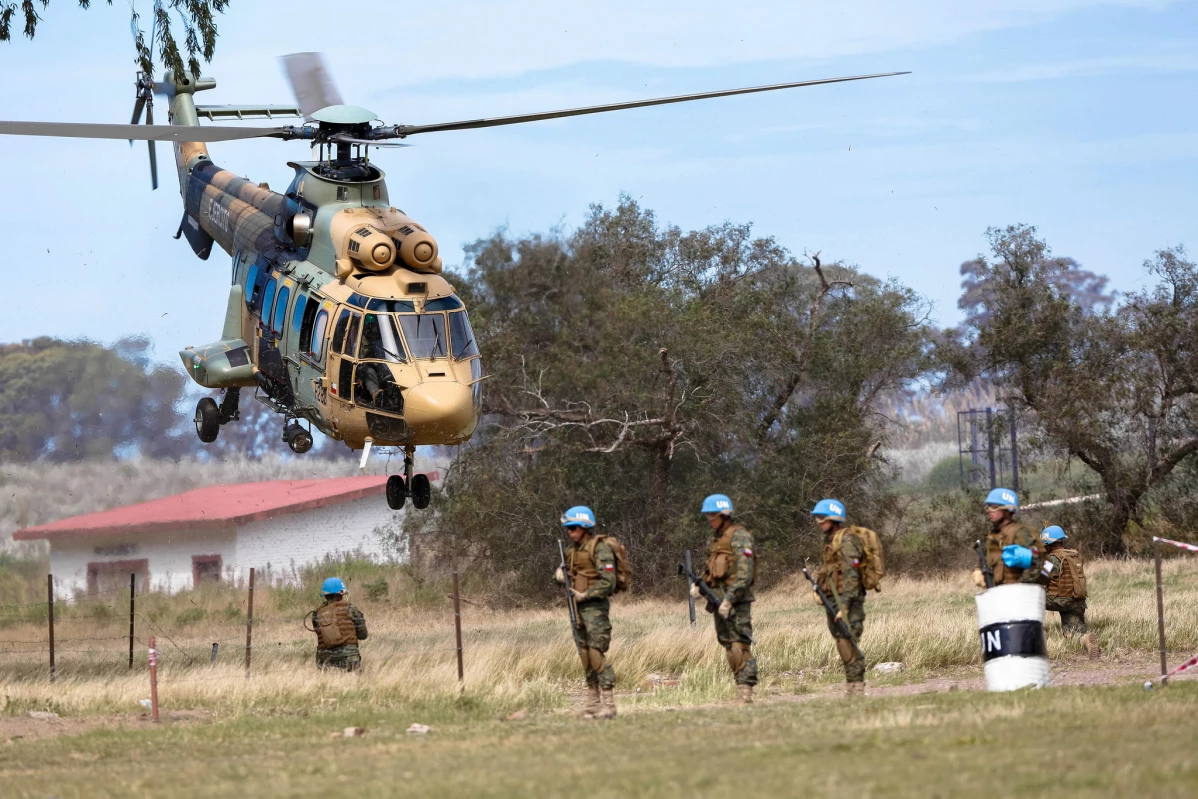
This binational unit has a land, naval, and air component comprised of human and material resources from both countries and its contribution is balanced and complementary.
These can be deployed in complete or modular form and are integrated as an indivisible unit to the respective peace mission.
Two or more components may coincide in the same mission.
The land component consists of a mechanized infantry battalion from each country.
The naval component comprises a Chilean ocean patrol boat with a helicopter and an Argentine corvette.
The air component consists of two helicopters from the Argentine Air Force and two from the FACh, in addition to two helicopters from the Argentine Army and two from the Chilean Army.
With information from Infodefensa
Editorial responsibility: Matthias Camenzind, Editor-in-Chief · Editorial standards · Report an error
Read More from The Rio Times