Centro-Oeste Leads Brazil’s Economic Growth with Agricultural Resurgence
The Centro-Oeste region of Brazil is set to outpace the rest of the country economically, with projected growth of 2.8% in 2025, according to a study by Tendências Consultoria.
This marks a significant acceleration compared to the 2% growth expected nationally. Goiás, Mato Grosso, Mato Grosso do Sul, and the Federal District are leading this charge, driven primarily by a resurgent agricultural sector.
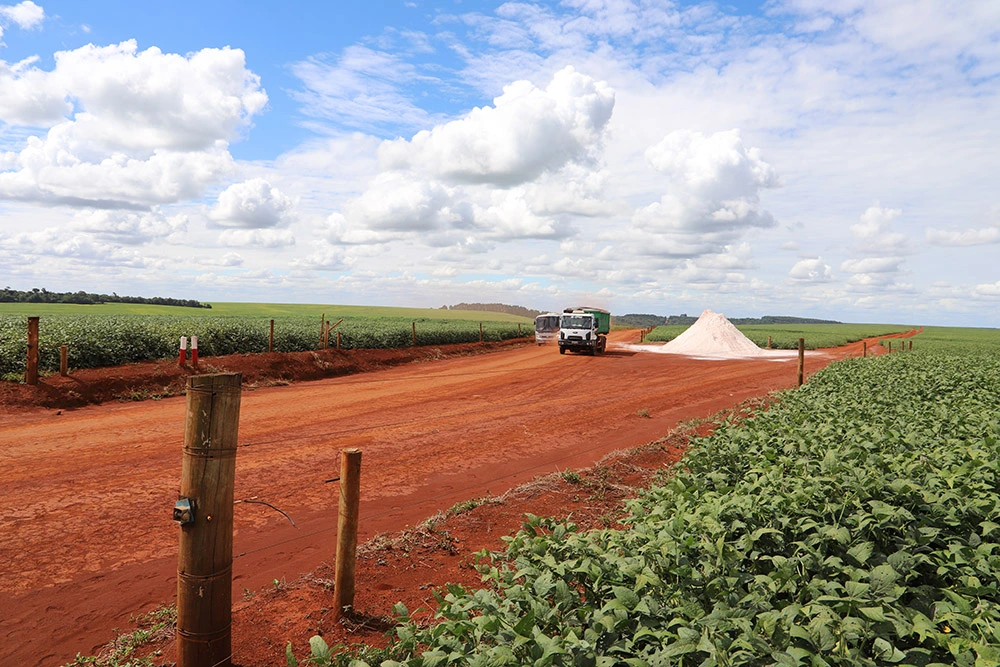
Agriculture remains the backbone of the region’s economy. The Companhia Nacional de Abastecimento (Conab) forecasts a record grain harvest of 322.25 million tons for the 2024/2025 season, an 8.1% increase over the previous cycle.
This recovery follows a challenging year when adverse weather from El Niño caused a drop in grain production to 298 million tons, down from 320.9 million tons in 2022/2023.
Economists attribute this rebound to improved conditions for key crops like soybeans and corn, which heavily influence the region’s income. The agricultural recovery is expected to boost the region’s agribusiness GDP by 6% in 2025, reversing last year’s 6.1% decline.
Centro-Oeste’s Economic Resurgence
Livestock farming, particularly beef production, has also played a stabilizing role, offsetting some of the losses from weaker crop yields. This growth positions Centro-Oeste as Brazil’s fastest-growing region once again.
It reclaims its status from 2022 and 2023, when it led with GDP increases of 5.9% and 4.9%, respectively. Within the region, Mato Grosso do Sul and Mato Grosso are anticipated to post the highest growth rates at 4.4% and 3.7%.
Beyond agriculture, this economic momentum is spilling over into other sectors like real estate and services. The region’s consumption potential reached R$660 billion in 2023, up significantly from R$313 billion in 2015.
Cities like Goiânia are benefiting from this growth, emerging as hubs for real estate demand. This is due to their strategic location and lower living costs compared to larger urban centers.
As Brazil faces broader economic challenges such as high interest rates and reduced fiscal stimulus, Centro-Oeste’s resilience stands out. It offers valuable insights into how regional strengths can drive national growth.
For investors and policymakers alike, understanding this dynamic highlights the critical role agriculture plays in sustaining local economies. It also underscores agriculture’s influence on broader market trends across Brazil.
More: Brazil news in English, every day from The Rio Times.
This article was produced by The Rio Times’ automated newsroom system. How we use AI · Report an error · Editorial responsibility: Matthias Camenzind, Editor-in-Chief
LatAm Markets: Live Signals → — real-time movers, turnover leaders and FX across Latin America.