Caracas Stock Exchange Surges 146% as Bolívar Rally Cools
Markets: Caracas
Key Facts
—Rally. The Bolsa de Valores de Caracas main index, the IBC, is up roughly 146% so far in 2026 in bolívar terms, one of the world’s steepest nominal equity gains.
—Level. The IBC closed near 5,138 points on 4 August 2026, after climbing from a year-start base of about 2,082 points.
—Correction. The rally has cooled from a peak; earlier in 2026 the year-to-date gain topped 250% before pullbacks in May and later months.
—Context. Gains are in bolívar terms and largely track high inflation and currency weakness; in US-dollar terms the rise is far smaller.
—Thin market. Trading is tiny and concentrated — turnover was about 1.06 billion bolívares (about US$1.4 million) on a recent session, so small flows move prices sharply.
The Caracas stock exchange has rallied roughly 146% so far in 2026 in bolívar terms, a headline surge that reflects Venezuela’s high inflation, a weak currency and a very thin, concentrated market.
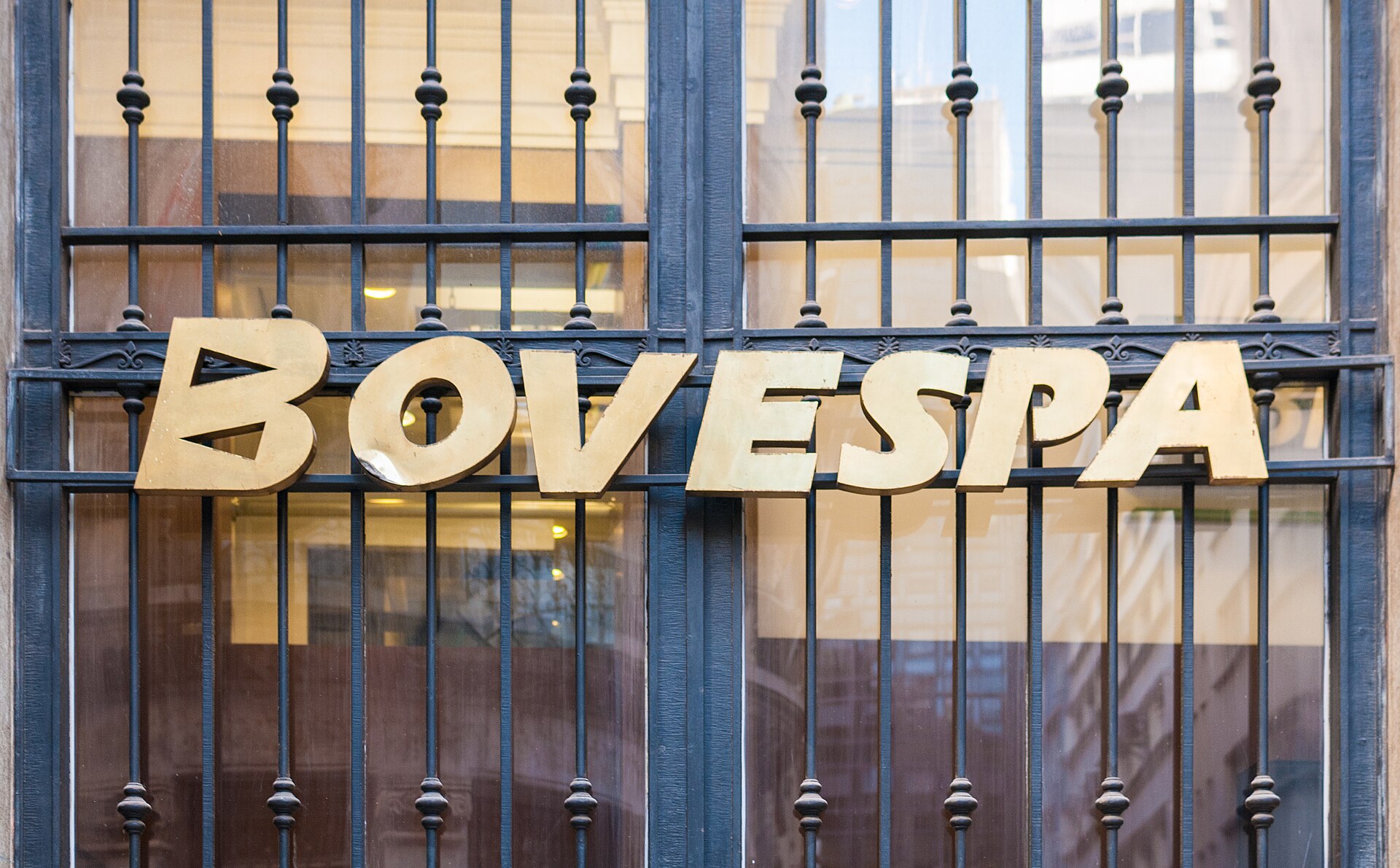
A Triple-Digit Rally in Caracas
The Caracas stock exchange, the Bolsa de Valores de Caracas, has staged one of the world’s steepest nominal equity rallies of 2026. Its main gauge, the Índice Bursátil de Capitalización, or IBC, is up roughly 146% so far this year in bolívar terms.
The index closed near 5,138 points on 4 August 2026, having started the year from a base of about 2,082 points. Even after recent pullbacks, that leaves the market sharply higher than where it began 2026.
Headline gains of this size are eye-catching, but in Venezuela they have to be read with care. The rise says as much about the currency the index is measured in as about the companies it tracks.
Reading the Numbers Carefully
The IBC is denominated in bolívares, Venezuela’s national currency. When the bolívar loses value and domestic prices rise, nominal share prices can climb steeply even if the underlying businesses are not growing in real terms.
Measured in US dollars, the gain is far smaller. Reporting on the exchange notes dollar-based returns running well below the nominal bolívar figure, a reminder that much of the “rally” reflects inflation and exchange-rate moves rather than fresh value. Venezuela’s economy runs on both the bolívar and the US dollar, so which unit a return is quoted in changes the story entirely.
The market also swings hard in both directions. Earlier in 2026 the year-to-date gain topped 250% before corrections in May and later months trimmed it back toward current levels.
Inflation and the Currency Effect
Venezuela has endured years of high inflation and repeated bouts of currency depreciation. In that environment, equities can serve as a partial store of value, as investors move out of a weakening bolívar and into shares, real assets or dollars.
That dynamic helps explain why nominal stock indices in high-inflation economies can post enormous percentage gains. The rise is real on paper, but it does not necessarily signal an improving business climate or rising corporate earnings in dollar terms.
For outside observers, the key is to separate nominal from real. A 146% nominal gain amid rapid inflation is a very different thing from a 146% gain in a stable-currency market.
A Small, Concentrated Market
The Caracas exchange is small and thinly traded by international standards, which amplifies price moves. A recent session saw turnover of about 1.06 billion bolívares, equivalent to roughly US$1.4 million — a tiny figure for a national stock market.
With a limited free float and few actively traded names, relatively small orders can push the index sharply in either direction. A handful of banking and consumer stocks have driven much of 2026’s move, so the benchmark reflects a narrow slice of the economy.
That thinness is why the same market can post triple-digit gains and then give back a chunk within weeks. Low liquidity magnifies both rallies and corrections.
What Drives the Buying
Domestic demand for a hedge against inflation is a central driver. With few easy ways to protect savings, some Venezuelan investors turn to listed shares as an alternative to holding a depreciating currency. Local financial and consumer names have led the advance.
Sentiment and liquidity conditions inside Venezuela — not foreign inflows — shape most of the action, given the market’s limited international access. That makes the IBC more a barometer of local monetary conditions than of global appetite for Venezuelan risk.
Because the buying is largely defensive, the rally can persist even when the broader economy remains under strain, further separating the index’s performance from real-economy fundamentals.
What It Means for Investors
For international investors, the Caracas rally is more a case study in inflation dynamics than an accessible opportunity. Currency controls, limited liquidity and country risk keep most foreign participants on the sidelines.
The episode is a reminder that a soaring nominal index is not automatically a sign of economic health. In high-inflation economies, headline gains can coexist with deep structural problems, and dollar-adjusted returns tell a more sober story.
For now, the IBC’s roughly 146% year-to-date climb stands as one of 2026’s most dramatic market figures — and one of the clearest examples of why context matters when reading a number in isolation.
More: Venezuela news in English, every day from The Rio Times.
Frequently Asked Questions
How much is the Caracas stock exchange up in 2026?
The Bolsa de Valores de Caracas main index, the IBC, is up roughly 146% so far in 2026 in bolívar terms, closing near 5,138 points on 4 August 2026 after peaking higher earlier in the year.
Is the gain as big in dollar terms?
No. The IBC is measured in bolívares, and much of the rise reflects high inflation and a weakening currency. In US-dollar terms the gain is substantially smaller.
Why does such a small market move so sharply?
The Caracas exchange is thinly traded, with turnover of only a few million dollars a session and a limited free float, so relatively small orders can push the index sharply up or down.
Connected Coverage
More Latin American markets reporting from The Rio Times.
Sources: Banca y Negocios, Bolsa de Valores de Caracas, Trading Economics and MacroMicro.
This article was produced by The Rio Times’ automated newsroom system. How we use AI · Report an error
LatAm Markets: Live Signals → — real-time movers, turnover leaders and FX across Latin America.
Read More from The Rio Times