Buying Property in Mexico as a Foreigner (2026)
Mexico · Step by Step
Key Facts
- Yes, foreigners can buy. Anywhere in Mexico — but near the coast or border you buy through a bank trust called a fideicomiso.
- The trust zone. Within about 50 km of the sea or 100 km of a border, the trust holds title for you; you keep full use, sale and inheritance rights.
- The gatekeeper. A notario público — a state-appointed legal official — must close every sale; choose your own, never the seller’s.
- The real risk. Roughly one in ten purchases involving foreigners never completes, mostly over title problems and communal “ejido” land.
- Budget extra. Closing costs typically run 5 to 8 percent on top of the price, plus yearly trust fees of about US$500 to US$700.
The dream is real and so are the traps. Buying property in Mexico as a foreigner is legal, common and — done in the right order — safe. Done in the wrong order, it joins the roughly one purchase in ten that never completes. Here is the step-by-step, from offer to title.
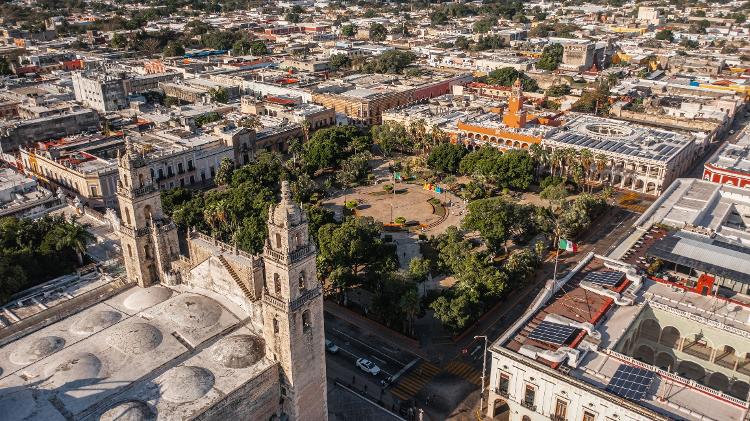
Step 1: Understand where you’re buying
Mexico’s constitution restricts direct foreign ownership inside the “restricted zone” — within roughly 50 kilometres of any coastline or 100 kilometres of a border. That covers the places foreigners most want: the Riviera Maya, Los Cabos, Puerto Vallarta, Baja.
The solution is the fideicomiso: a renewable 50-year bank trust that holds legal title while you hold every right that matters — use, rent, remodel, sell, and pass to heirs named in the trust itself. Inland — Mexico City, San Miguel, Oaxaca, most of Mérida — you can hold direct title with no trust at all.
Either way, budget the trust where it applies: about US$1,000 to US$2,500 to set up and US$500 to US$700 a year to maintain, varying by bank.
Step 2: Vet the property before you fall in love
This is where the one-in-ten failures are born. The killers are predictable: ejido land — communal agricultural land that cannot be legally sold to private buyers until a long formal conversion is complete — plus liens, unpaid utilities and property taxes, heirs who never signed off, and “title” that is really just possession.
Before any money moves, your lawyer pulls the title history and lien certificate from the public registry and confirms the seller actually owns what they’re selling. If anyone waves away paperwork with “that’s how we do it here,” that is your exit cue.
Step 3: Hire your own people
Two professionals protect you. First, an independent real-estate lawyer — yours, not the seller’s, not the agent’s — who runs due diligence and drafts the purchase agreement.
Second, the notario público, a senior state-appointed legal official who must certify every property transfer in Mexico, calculates the taxes and registers the deed. The buyer customarily chooses the notario: exercise that right.
Agents are unlicensed in much of the country, so treat them as salespeople, not advisers.
Step 4: Offer, contract, closing
The sequence runs: written offer, then a promesa de compraventa (promise-to-purchase contract) with a deposit — typically held in escrow through your lawyer or a closing company, never wired to a personal account — then trust setup if you’re in the zone, then the closing at the notario where the escritura (deed) is signed and registered. Realistic timeline: two to four months.
Closing costs — transfer tax, notario fees, registration, trust setup — typically total 5 to 8 percent of the price, and most foreign purchases are cash, since Mexican mortgages for non-residents are scarce and expensive.
Step 5: After the keys
Ownership has small ongoing duties: the annual predial property tax (famously low — often a few hundred dollars even on substantial homes, with early-payment discounts each January), the trust’s annual fee where applicable, and — if you ever rent the place out — registering with the tax authority, for which your RFC tax ID becomes essential. When you sell, capital gains tax applies, but primary-residence exemptions and properly documented improvements can reduce it dramatically; keep every official invoice from day one.
More: Latin America news in English, every day from The Rio Times.
Frequently Asked Questions
Can foreigners really own property in Mexico?
Yes — directly inland, and through a fideicomiso bank trust within about 50 km of coasts or 100 km of borders. The trust preserves your full rights to use, sell and bequeath.
What is a fideicomiso and what does it cost?
A renewable 50-year bank trust holding title on your behalf: roughly US$1,000 to US$2,500 to establish and US$500 to US$700 a year, depending on the bank.
Why do so many purchases fail?
Mostly title problems: ejido (communal) land that can’t legally transfer, liens, missing heirs and undocumented ownership. Independent legal due diligence before the deposit prevents nearly all of it.
How much are closing costs?
Plan 5 to 8 percent of the purchase price for transfer tax, notario fees, registration and the trust setup where applicable.
Do I need to be a resident to buy?
No — tourists can buy. But an RFC tax ID helps at sale time and is required if you rent the property out.
This article was produced by The Rio Times’ automated newsroom system. How we use AI · Report an error · Editorial responsibility: Matthias Camenzind, Editor-in-Chief
Expat Guide to Mexico
What The Rio Times publishes for foreigners who live in or move to Mexico.
Start here
- Mexican Peso Falls Past 18.40 on Central Bank Minutes
- Crocodiles in Puerto Vallarta Safety Guide
- Mexico Security and Crime Explained 2026
- Mexico Visa Options 2026 Explained
City guides
Mexico City, Playa del Carmen, Tulum, Puerto Vallarta, Mérida, Oaxaca, Guadalajara, Monterrey, Cancún
Coming up in Mexico
- Expo Cerveza México 2026 Mexico City: Over 150 Breweries, 23–25 October 25 Oct
- Xcaret Festival Opens in Playa del Carmen on 30 October 30 Oct
- Mexico City Grand Prix 2026: Schedule, Tickets and TV 30 Oct
- Day of the Dead 2026 in Mexico City: Dates and Parade 31 Oct
Understand Mexico