IBOV 187,502.60 ▲ 1.01% IPSA 11,284.97 ▼ 0.75% IPC MEX 64,479.96 ▼ 0.52% MERVAL 3,107,396 ▼ 0.09% COLCAP 2,580.41 ▼ 0.14% BVL PERÚ 60,702.89 ▼ 1.24% USD/BRL5.10▼ 0.25% USD/MXN16.96▲ 0.39% USD/CLP939.79▲ 1.31% USD/COP3,099▼ 0.57% USD/PEN3.37▲ 0.35% USD/ARS1,512▼ 0.12% USD/UYU40.24▲ 3.05% USD/PYG5,868▲ 2.26% USD/BOB12.36▲ 1.91% USD/DOP58.60▲ 0.17% USD/CRC447.58▲ 1.69% USD/GTQ7.63▲ 3.04% USD/HNL26.85▲ 0.57% USD/NIO36.62▲ 0.34% USD/VES825.67▼ 0.13% USD/PAB1.00— 0.00% USD/BZD2.00— 0.00% USD/JMD 157.28 — 0.00% USD/TTD6.73▲ 2.40% EUR/BRL5.92▲ 0.24% BRENT 88.88 ▼ 0.03% WTI 83.11 ▼ 0.11% IRON ORE 161.91 — — COPPER 6.61 ▲ 0.03% GOLD 4,461 ▲ 1.78% SILVER 65.59 ▲ 1.26% SOY 1,184 ▲ 3.20% CORN 480.50 ▲ 10.02% WHEAT 655.00 ▲ 3.93% COFFEE 317.25 ▼ 5.51% SUGAR 16.43 ▼ 1.79% ORANGE JUICE 138.55 ▼ 0.47% COTTON 85.03 ▲ 2.33% COCOA 5,719 ▲ 3.18% BEEF 223.60 ▼ 3.93% CATTLE 339.10 ▼ 3.16% LITHIUM 75.20 ▲ 1.47% PETR4 41.64 ▼ 0.05% VALE3 72.97 ▲ 0.83% ITUB4 38.60 ▼ 1.03% BBDC4 16.85 ▲ 0.36% ABEV3 14.89 ▼ 0.80% BBAS3 19.37 ▲ 0.47% B3SA3 14.26 ▼ 0.21% WEGE3 47.59 ▲ 0.49% PRIO3 59.14 ▼ 0.19% SUZB3 41.33 ▲ 2.35% RENT3 34.68 ▼ 0.09% AZZA3 15.89 ▼ 2.63% CSAN3 3.22 ▼ 1.83% RAIZ4 0.25 — 0.00% PCAR3 2.75 ▼ 0.36% GMAT3 3.65 ▼ 1.08% PSSA3 48.13 ▼ 0.54% CVCB3 1.33 ▼ 2.92% POSI3 3.36 ▲ 2.44% SLCE3 13.34 ▲ 0.30% NATU3 8.14 ▼ 0.73% IBOV 187,502.60 ▲ 1.01% IPSA 11,284.97 ▼ 0.75% IPC MEX 64,479.96 ▼ 0.52% MERVAL 3,107,396 ▼ 0.09% COLCAP 2,580.41 ▼ 0.14% BVL PERÚ 60,702.89 ▼ 1.24% USD/BRL 5.16 ▲ 0.01% USD/MXN 17.06 ▼ 0.24% USD/CLP 913.98 ▲ 0.04% USD/COP 3,140 ▲ 0.03% USD/PEN 3.36 ▼ 0.66% USD/ARS 1,493 ▲ 0.10% USD/UYU 40.27 ▲ 1.24% USD/PYG 5,939 ▲ 1.68% USD/BOB 11.64 ▼ 0.76% USD/DOP 58.34 ▲ 1.25% USD/CRC 445.92 ▲ 0.89% USD/GTQ 7.62 ▲ 2.21% USD/HNL 26.79 ▲ 1.57% USD/NIO 36.62 ▲ 0.69% USD/VES 762.44 ▼ 0.13% USD/PAB 1.00 — 0.00% USD/BZD 2.00 — 0.00% USD/JMD 157.28 — 0.00% USD/TTD 6.70 ▲ 0.61% EUR/BRL 5.95 ▲ 1.01% BRENT 88.88 ▼ 0.03% WTI 83.11 ▼ 0.11% IRON ORE 161.91 — — COPPER 6.61 ▲ 0.03% GOLD 4,461 ▲ 1.78% SILVER 65.59 ▲ 1.26% SOY 1,184 ▲ 3.20% CORN 480.50 ▲ 10.02% WHEAT 655.00 ▲ 3.93% COFFEE 317.25 ▼ 5.51% SUGAR 16.43 ▼ 1.79% ORANGE JUICE 138.55 ▼ 0.47% COTTON 85.03 ▲ 2.33% COCOA 5,719 ▲ 3.18% BEEF 223.60 ▼ 3.93% CATTLE 339.10 ▼ 3.16% LITHIUM 75.20 ▲ 1.47% PETR4 41.64 ▼ 0.05% VALE3 72.97 ▲ 0.83% ITUB4 38.60 ▼ 1.03% BBDC4 16.85 ▲ 0.36% ABEV3 14.89 ▼ 0.80% BBAS3 19.37 ▲ 0.47% B3SA3 14.26 ▼ 0.21% WEGE3 47.59 ▲ 0.49% PRIO3 59.14 ▼ 0.19% SUZB3 41.33 ▲ 2.35% RENT3 34.68 ▼ 0.09% AZZA3 15.89 ▼ 2.63% CSAN3 3.22 ▼ 1.83% RAIZ4 0.25 — 0.00% PCAR3 2.75 ▼ 0.36% GMAT3 3.65 ▼ 1.08% PSSA3 48.13 ▼ 0.54% CVCB3 1.33 ▼ 2.92% POSI3 3.36 ▲ 2.44% SLCE3 13.34 ▲ 0.30% NATU3 8.14 ▼ 0.73%
since 2009
Thursday, September 10, 2026

Crypto Europe and Russia

BRICS Hesitates on Putin’s Call to Move Away From Dollar

By · October 25, 2024 · 2 min read

The LatAm Brief

One email, every weekday morning. What moved in Latin American markets, politics and expat life.

Yesterday’s subject line: “YPF sells US$1.2bn bond, Argentina's biggest since 2015”

Free. We send a confirmation link first — nothing arrives until you click it. Unsubscribe with one click in any edition. If you stop opening us for 30 days we stop sending by ourselves, as we assume the interest is no longer there. See our privacy policy. We never share your email.

(Analysis) The BRICS bloc, comprising Brazil, Russia, India, China, and South Africa, faces a complex challenge. Russian President Vladimir Putin has urged the group to create an alternative to the US dollar-dominated financial system.

However, other BRICS members have shown limited enthusiasm for this proposal. At a recent summit hosted by Russia, Putin advocated for a new international payment system.

He argued that such a system could prevent the US from using the dollar as a political tool. Despite his efforts, the summit’s final statement revealed little progress on this front.

The reluctance of other BRICS nations to fully embrace de-dollarization stems from several factors. The US dollar’s deep-rooted dominance in global trade and finance poses a significant obstacle.

It accounts for over 80% of international transactions and nearly 60% of central bank reserves. Economic differences within the BRICS group also play a role.
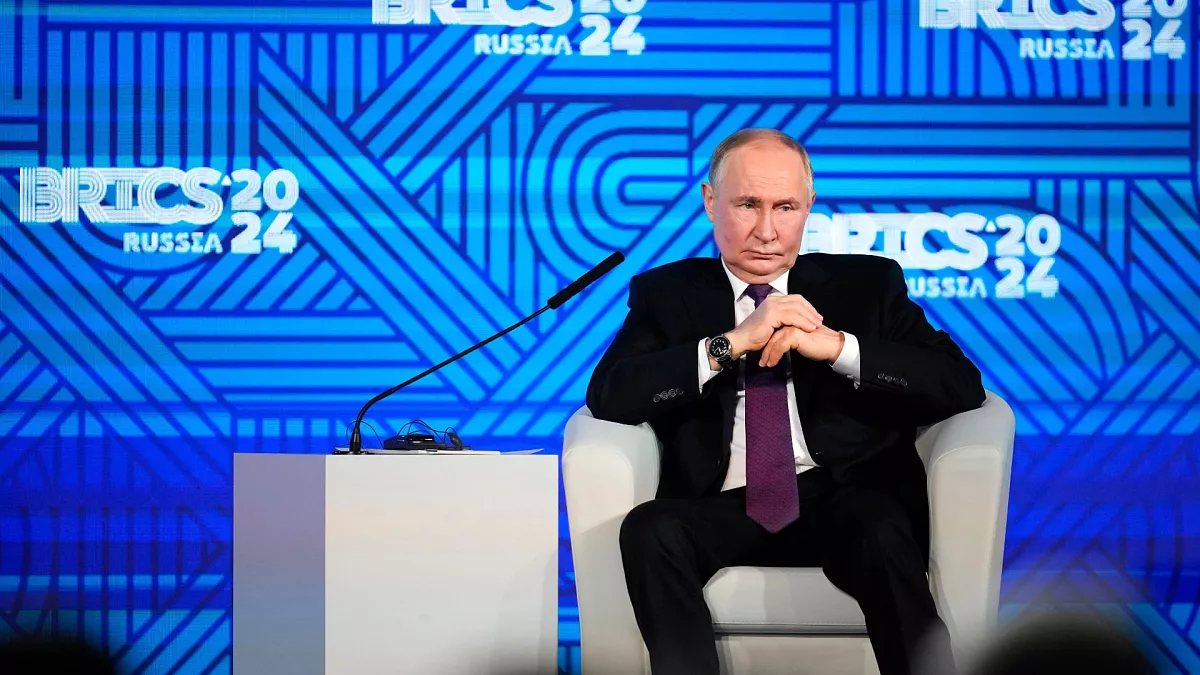
BRICS Hesitates on Putin's Call to Move Away From Dollar
BRICS Hesitates on Putin’s Call to Move Away From Dollar.
One-stop reference
Company Intelligence
Every listed company in Latin America — financials, ownership and structure for 1,450+ companies across 26 exchanges, in one place.
Browse the directory →
RT
Ask Rio Times
17 years of Latin America reporting, on demand.
Open the full Ask Rio Times →

China’s economy dwarfs those of its partners, accounting for about 70% of the bloc’s total GDP. This imbalance complicates efforts to create a unified financial approach.

BRICS Expansion and Dollar Diversification

Geopolitical considerations further complicate matters. Countries like Brazil and India aim to maintain balanced relationships with both Western nations and emerging economies.

They hesitate to align too closely with an anti-Western stance. Technical hurdles also impede progress. Developing the necessary financial infrastructure for non-dollar transactions among BRICS central banks remains challenging.

Additionally, restrictions on the convertibility of China’s renminbi limit its potential as an alternative reserve currency. Despite these obstacles, BRICS countries have made some headway in reducing dollar dependence.

Russia and China now conduct about 90% of their bilateral trade in rubles or yuan. The bloc has also established alternative financial institutions like the New Development Bank.

The recent expansion of BRICS to include Saudi Arabia, UAE, and Egypt may provide new momentum. This enlarged group now represents about 40% of global crude oil production and exports.

This development could potentially lead to the creation of a parallel energy trading system. However, experts caution against expecting rapid, widespread changes to the global financial order.

Instead, BRICS nations are likely to focus on gradual steps. These may include promoting trade in local currencies, diversifying reserves, and developing sector-specific payment systems.

The path forward for BRICS remains uncertain. While there’s growing interest in reducing reliance on the US dollar, a complete overhaul of the current system seems unlikely in the near term.

The bloc must balance economic pragmatism with complex geopolitical realities. As global economic dynamics continue to evolve, the BRICS nations’ approach to de-dollarization will likely remain a topic of keen interest.

In short, their decisions could have far-reaching implications for the future of international finance and trade relations.

This article was produced by The Rio Times’ automated newsroom system. How we use AI · Report an error

Read More from The Rio Times

The Rio Times · Power Map
See who really holds power in Latin America
Click to open the Power Map

Rotate for Best Experience

This report is optimized for landscape viewing. Rotate your phone for the full experience.