Brazil’s Industry Eyes 2.4% Growth in 2025 Despite Economic Hurdles
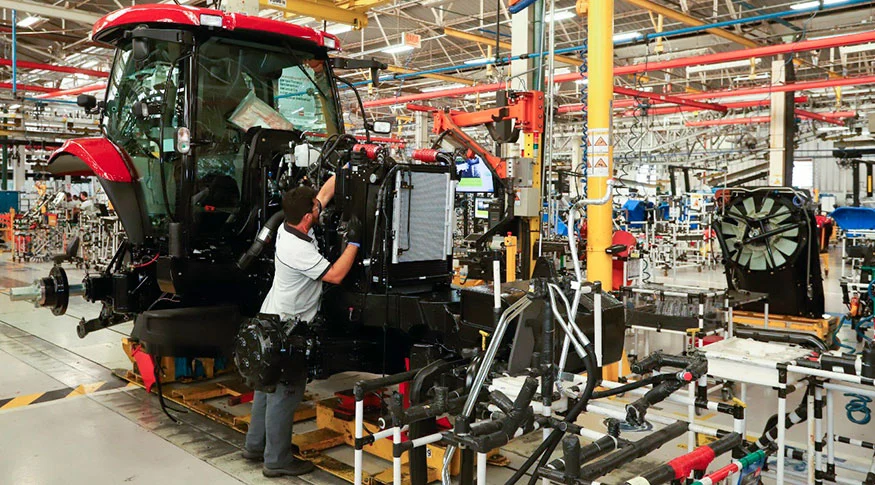
The Federation of Industries of the State of São Paulo projects Brazil’s economy to grow 2.4% in 2025. This revision, up from 2%, follows 2024’s 3.4% expansion. São Paulo’s industrial sector drives this cautious optimism.
High interest rates at 14.75% challenge growth, curbing borrowing for businesses. The Central Bank’s tight policy targets 5% inflation in 2025. Yet, government loans for workers and self-employed individuals bolster demand.
Investments fuel Brazil’s trajectory, with gross fixed capital formation rising 4.5% in 2025. This follows 2024’s 7.3% surge, though 2026’s growth dips to 2.6%. Private investment grows 3.1% in 2025, slowing to 0.7% in 2026.
Public spending, led by states and municipalities, sustains momentum. Infrastructure projects like roads and schools expand steadily. These efforts counterbalance private sector caution amid costly loans.
Industry and services lead growth, with 2024 gains of 3.3% and 3.7%, respectively. Agriculture, down 3.2% in 2024 due to weather, may recover in 2025. Brazil’s exports, including soy and beef, strengthen trade.
The government targets a 72.7 billion reais deficit in 2025, down from 2024’s 0.3% GDP shortfall. Strong first-quarter growth and agricultural recovery support this outlook. However, global trade risks, like U.S. tariffs, loom large.
Brazil’s 2.4% growth reflects resilience in a high-cost borrowing environment. Businesses eye opportunities in manufacturing and infrastructure. São Paulo’s industrial strength anchors this outlook, despite a slowdown from 2024.
This forecast matters for global trade, as Brazil supplies food and minerals. Stable growth supports jobs and regional influence. Yet, high debt and global uncertainties demand careful navigation.
More: Brazil news in English, every day from The Rio Times.
This article was produced by The Rio Times’ automated newsroom system. How we use AI · Report an error
LatAm Markets: Live Signals → — real-time movers, turnover leaders and FX across Latin America.
Read More from The Rio Times