Brazil’s Foreign Tourism Hits Historic High, Nears Annual Target by April 2025
Brazil attracted 4,425,888 international tourists from January to April 2025, a 51% rise from 2024 and the highest first-quarter tally ever recorded, according to the Brazilian Ministry of Tourism.
The figure represents 64% of the country’s annual goal to welcome 6.9 million foreign visitors this year, signaling unprecedented momentum. Argentina supplied nearly half of these tourists, with 2.1 million arrivals, as its economy rebounded from a 2024 recession.
Chile followed with 588,000 visitors, up 62% year-on-year, while U.S. tourists jumped 68% to 342,000 after Brazil waived visa requirements for Americans in late 2024. A weaker Brazilian real, trading at 5.2 per U.S. dollar in April, further boosted affordability for foreign travelers.
April alone saw 686,239 international arrivals, a 72% annual increase, fueled by Rio de Janeiro’s 460th-anniversary festivities and the Amazon Ecotourism Summit in Manaus.
Tourism revenue reached $6.2 billion in early 2025, up 57% from 2024, though overcrowding in hotspots like Copacabana prompted officials to promote lesser-known regions through the “Turismo Consciente” initiative.
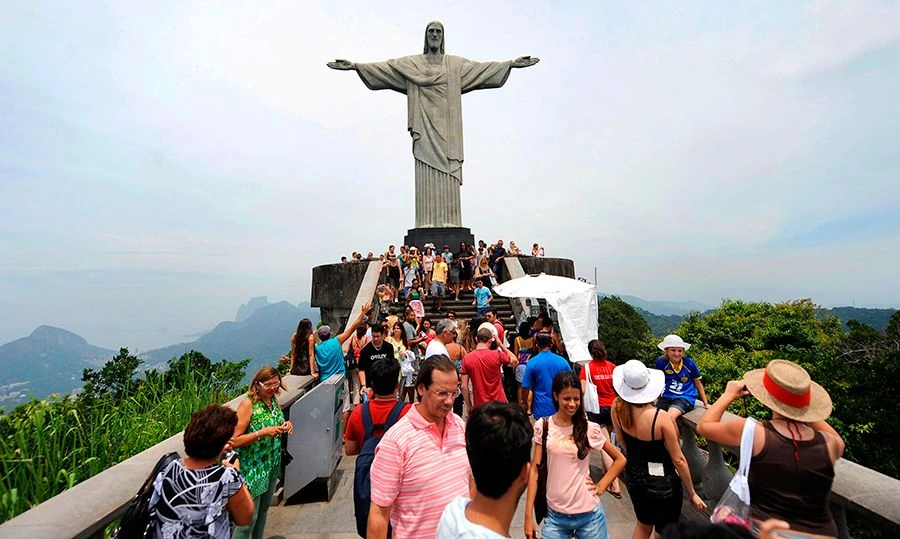
Tourism Minister Celso Sabino linked the surge to strategic policies, including relaxed visa rules and targeted campaigns like “Brazil: Feel the Energy.” New flight routes, such as LATAM’s Miami-to-Belo Horizonte service, expanded access.
Brazil’s bid for the 2027 FIFA Women’s World Cup also accelerated infrastructure upgrades in host cities. If growth continues, Brazil could exceed its 2025 target by 9%, surpassing 7.5 million visitors.
The trend highlights the country’s shift from post-pandemic recovery to reshaping its role in global tourism, with regional partnerships and economic pragmatism driving gains.
Challenges remain in balancing demand with sustainability, but current data suggests Brazil is leveraging its natural and cultural assets to carve a stronger niche in competitive markets.
More: Brazil news in English, every day from The Rio Times.
This article was drafted with automated assistance and reviewed before publication. How we use AI · Report an error · Editorial responsibility: Matthias Camenzind, Editor-in-Chief