Brazil’s Diesel Importers Reconnect with U.S. Suppliers Amid Sanctions Fear
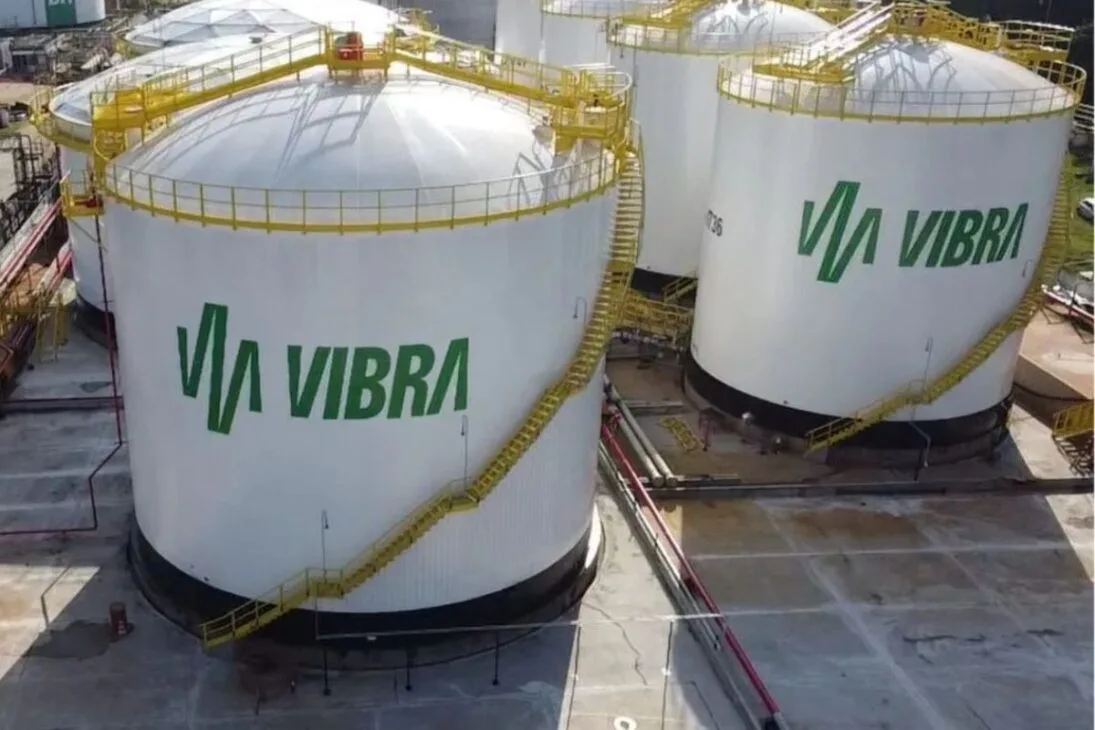
Brazilian energy firms—including Vibra, Ipiranga, and Raízen—have begun reaching out to American diesel suppliers once again, developing backup plans to keep the country’s fuel pipelines running.
These renewed talks come as concerns mount that new U.S. sanctions or tariffs could suddenly disrupt Brazil’s major pipeline of Russian diesel imports. Today, over 65% of Brazil’s imported diesel comes from Russia.
This reliance grew when Western sanctions against Russia in 2022 slashed prices, making Russian diesel attractive for Brazil’s cost-sensitive market. Domestic refining cannot meet all of Brazil’s needs, so imported diesel now covers about a quarter of the country’s demand.
Recently, President Donald Trump imposed a heavy tariff on India for buying Russian oil and warned that Brazil could face similar penalties if it keeps sourcing fuel from Russia.
Brazil’s biggest fuel wholesalers and refiners remember that U.S. policy moves—new tariffs or embargoes—could trigger immediate shortages or send fuel prices higher.
Brazil switched from being mostly supplied by U.S. refiners to relying on Russian imports when those imports became cheaper, falling as much as $0.15 per gallon below global market rates.
Brazil’s Diesel Dilemma
This helped Brazilian diesel prices stay down, benefiting farms, freight companies, and consumers in a country where truck transport dominates.
Yet the cheap prices come with risk. If U.S. sanctions block Russian supply, Brazil will need alternative sources quickly. The U.S. and Mexico could step in, but scaling up their exports takes time, and sudden gaps would likely mean price spikes nationwide.
That is why leading fuel importers revived contacts with American suppliers, seeking to avoid surprises and keep supplies stable. Brazil’s government also aims to increase local production, but experts acknowledge the country still depends on imports to fill the gap.
The lesson for Brazil—and for any country heavily reliant on foreign fuel—is clear: When global tensions rise, relying on a single supplier brings danger.
International politics, sanctions, and trade disputes can raise everyday costs for families and businesses, sometimes almost overnight.
More: Brazil news in English, every day from The Rio Times.
This article was produced by The Rio Times’ automated newsroom system. How we use AI · Report an error · Editorial responsibility: Matthias Camenzind, Editor-in-Chief