Brazilian Software Maker Totvs and Homebuilder MRV Launch Share Buybacks
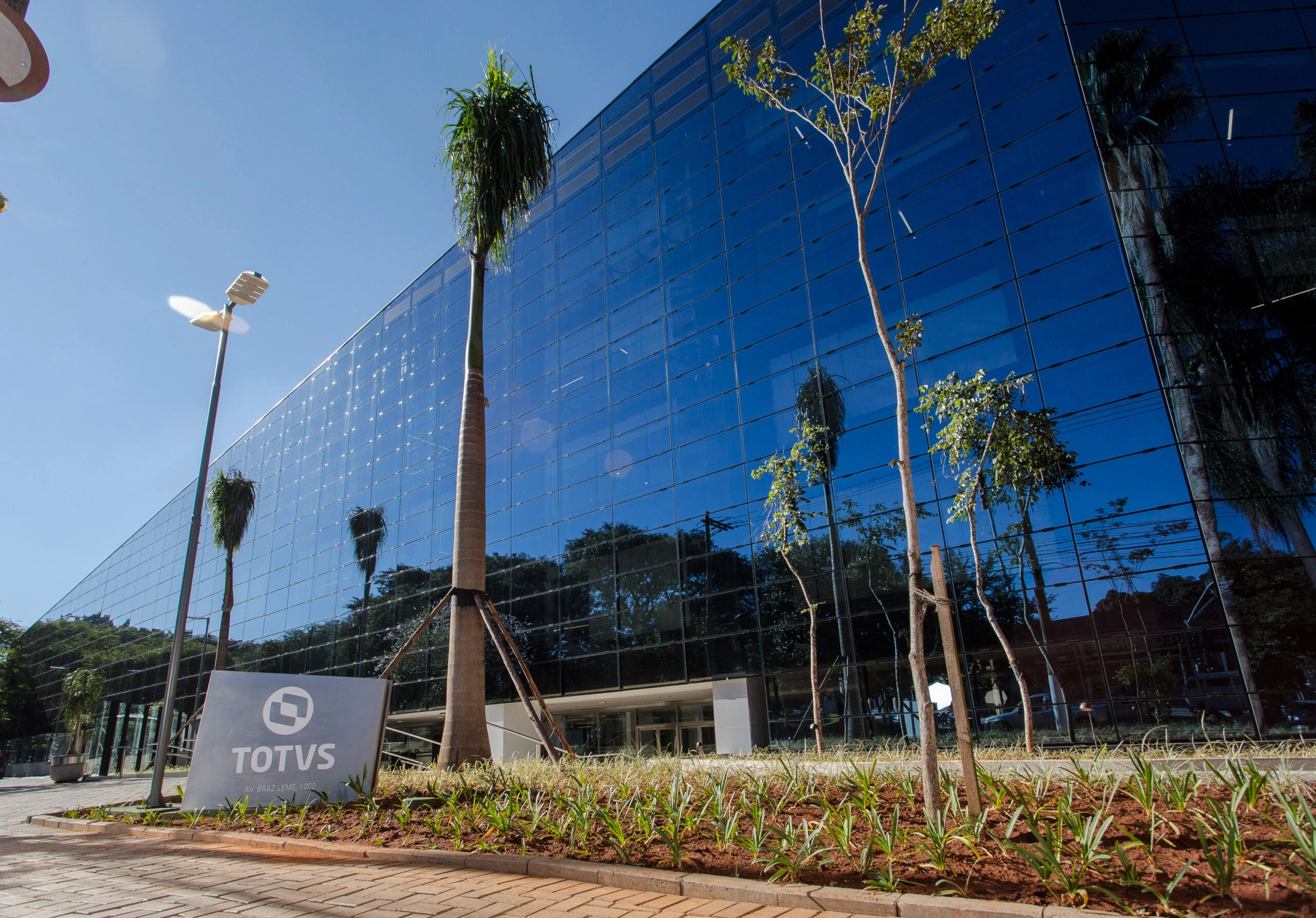
Brazil · Markets
Key Facts
—20 million shares retired Totvs purchased 100% of its authorized limit, removing 20 million common shares from circulation and concentrating future earnings for remaining shareholders.
—R$32.17 average price The software giant paid about US$5.26 per share on average, signaling that management views the stock as undervalued below this threshold.
—8.05% of float targeted MRV authorized buying up to 6.08 million shares, roughly 8.05% of outstanding stock, a massive vote of confidence for a homebuilder trading at single-digit earnings multiples.
—18-month execution window MRV’s program runs until December 12, 2026, giving the company flexibility to acquire shares gradually without disrupting the market.
—Treasury flexibility Both companies can cancel the shares or use them for compensation plans, mechanisms that optimize capital structure and reward employees without new dilution.
Totvs (TOTS3) completed a 20-million-share buyback on July 15, 2026, while MRV (MRVE3) approved a 6-million-share repurchase program, signaling that management teams in Brazil’s software and homebuilding sectors see their own stocks as deeply undervalued.
The Mechanics of the Totvs Buyback
Totvs finalized its buyback program on Wednesday, July 15, 2026, after initiating the operation on February 11, 2026. The company purchased exactly 20,000,000 common shares, hitting 100% of the limit authorized by the board of directors.
The average acquisition price was R$32.17 per share, though the stock was trading around R$28.72 on the final day of the program.
The repurchased equity will be held in treasury and may later be canceled or allocated to Totvs’s share-based compensation plan. The decision rests with management and must follow applicable legal and regulatory rules.
By buying shares above the current trading price, the company effectively sets a valuation floor, returning cash to shareholders and expressing conviction that the market has mispriced the asset.
MRV’s Aggressive 6 Million Share Authorization
MRV’s board of directors approved a new buyback program on Thursday, June 12, 2025. The authorization covers up to 6,082,426 common shares, a volume representing approximately 8.05% of the shares outstanding in circulation when combined with existing treasury shares and derivative positions referenced in the official filing.
The program remains valid until December 12, 2026.
The company stated the repurchased shares may be used for outright cancellation, holding in treasury, subsequent sale, or derivative transactions backed by company shares. A buyback of this magnitude—potentially removing nearly a tenth of the free float—shrinks the supply of shares on the market, which can support earnings per share growth even if net income remains flat.
Live Company IntelligenceMRV Engenharia e Participações S.A — the full investor dossier
Valuation & profitability
Price & risk
$4.5352-wk high
$10.53
Revenue trend · 6y
Ownership
Dividend
What Buybacks Say About Valuation in Tech
Totvs is a dominant player in Brazilian enterprise resource planning software. By deploying capital to repurchase shares at an average of R$32.17, management is explicitly communicating that it sees intrinsic value above that level.
On July 15, 2026, the stock was quoted at R$28.72, indicating a potential discount to the average buyback price and reinforcing the signal that the software company believes it is undervalued.
A buyback completion at 100% of the authorized limit also demonstrates execution discipline. Rather than merely reserving the right to purchase shares, Totvs drew down the entire program.
For expats and foreign investors unfamiliar with the B3 exchange, this is an accounting maneuver that reduces the share count denominator, automatically boosting metrics like earnings per share without requiring any operational improvement.
Homebuilding Valuations and the MRV Signal
Brazil’s homebuilding sector has been trading at compressed multiples. Market data indicates the broader sector currently trades at a price-to-earnings ratio (P/E) of about 10.1x, well below its 3-year average of 15.6x.
Some reports specifically point to homebuilding stocks trading as low as 5–6x earnings, compared to approximately 11x for the benchmark Bovespa index.
By authorizing an 8.05% reduction in outstanding shares, MRV is betting that the cycle will turn. The authorization structure—valid for 18 months—allows the company to buy incrementally, providing a steady bid under the stock and signaling to the market that the board considers current prices an unusual bargain.
This type of program is particularly attractive in a high-interest-rate environment where growth stocks are penalized by the macroeconomic outlook.
Why This Matters for Investors
For Brazilian residents and international investors alike, simultaneous buyback moves across two unrelated sectors suggest a broader trend of corporate Brazil viewing its own equity as cheap. Totvs and MRV operate in entirely different domains—software subscriptions versus property development—yet both are deploying cash to reduce share counts rather than pursuing expensive mergers and acquisitions.
Share buybacks in the Brazilian market provide a tangible return of value without triggering immediate income tax events for long-term holders, a benefit that differs from taxable dividend distributions. When a company cancels treasury shares, each remaining share permanently represents a larger slice of future profits. This capital allocation strategy directly benefits expats and foreign investors who hold Brazilian stocks through ADRs or direct B3 ownership.
Frequently Asked Questions
What did Totvs actually do with the repurchased shares?
Totvs completed the purchase of 20 million common shares at an average price of R$32.17. The shares were placed in treasury and may later be canceled or used for a share-based employee compensation plan.
How many shares can MRV buy back and for how long?
MRV’s board authorized the repurchase of up to 6,082,426 common shares, representing roughly 8.05% of outstanding stock. The authorization is valid until December 12, 2026, giving the company 18 months to execute.
Why are buybacks a bullish signal in Brazilian markets?
A buyback indicates company leadership believes the stock is trading below its fair intrinsic value. By reducing the total number of shares outstanding, the same earnings are distributed over fewer shares, automatically raising earnings per share and signaling confidence to foreign and local investors.
Sources: Totvs (TOTS3) conclui recompra de 20 mi de ações próprias, MRV (MRVE3) aprova recompra de até 6,08 milhões de ações, Brazil’s MRV approves share buyback program or derivative deals backed by its shares, MRV: venda de projetos e programa de recompra de ações, MRV anuncia novo programa de recompra de ações
Connected Coverage
This article was produced by The Rio Times’ automated newsroom system. How we use AI · Report an error · Editorial responsibility: Matthias Camenzind, Editor-in-Chief