Brazil Tax Collection Hits an August Record as Corporate and Capital Taxes Climb
Brazil · Economy
Key Facts
- —What happened Brazil tax collection reached R$235.566 billion (about US$46.1 billion) in August 2026, up 8.25% above inflation.
- —Why it matters Stronger revenue helps the government chase its 2026 target of a primary surplus of 0.25% of GDP.
- —What drove it Corporate income taxes, payroll contributions, PIS and Cofins and withholding tax on capital income, according to the Receita Federal.
- —The year so far January to August revenue totalled R$2.112 trillion (about US$413 billion), up 7.12% in real terms.
- —The catch August still came in below the R$239 billion (about US$46.8 billion) median forecast in a Projeções Broadcast survey.
- —What comes next The government publishes its bimonthly revenue and spending review on Thursday 24 September 2026.
Federal revenue rose 8.25% above inflation in August, the Receita Federal said on Tuesday. The haul arrives two days before the government reviews its 2026 budget.
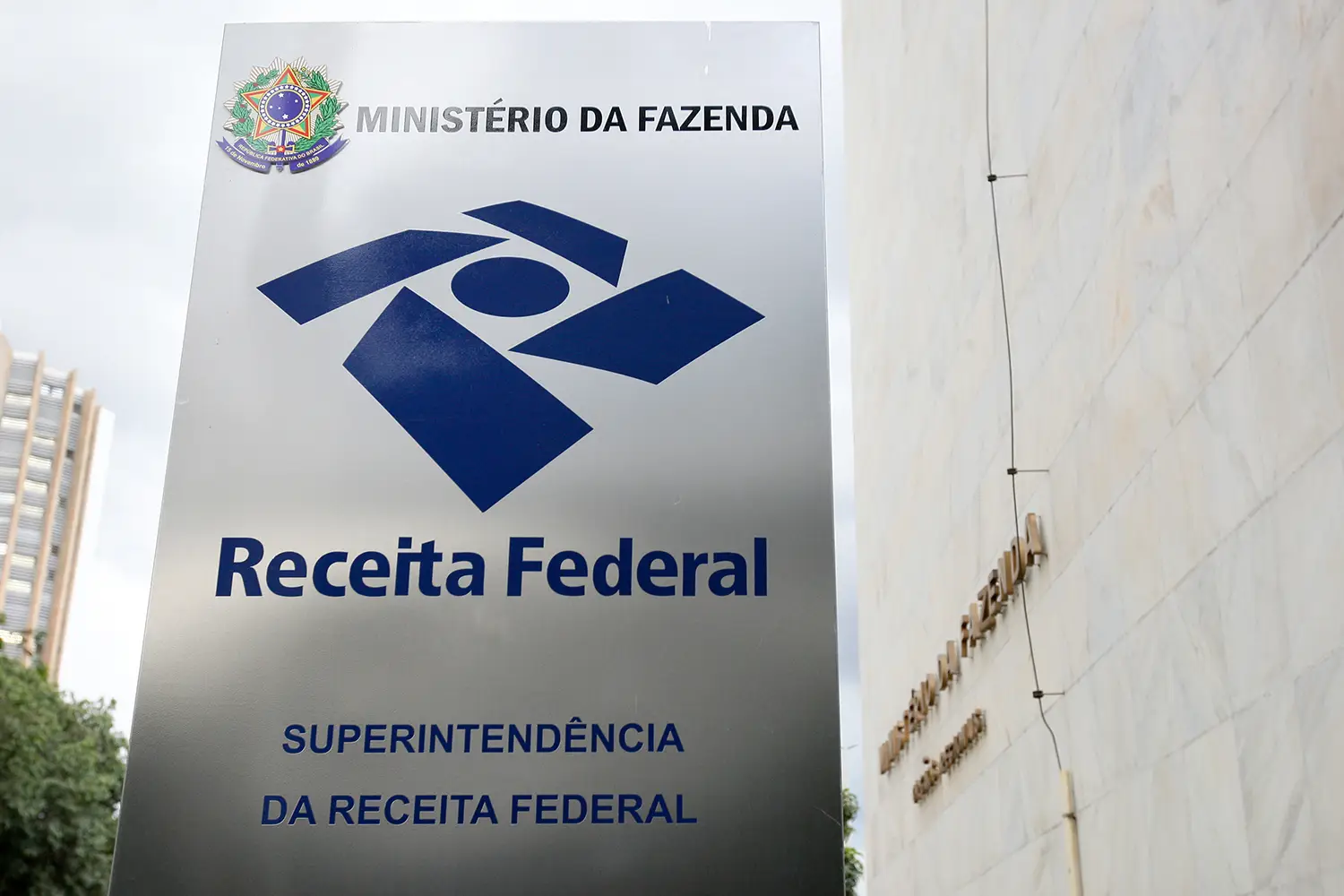
Brazil tax collection set a record for the month of August. Federal revenue reached R$235.566 billion (about US$46.1 billion), up 8.25% after inflation on August 2025.
The Receita Federal, the federal tax authority that sits inside the Finance Ministry, released the figures on Tuesday 22 September 2026. Its historical tables show it was the strongest August on record once inflation is stripped out.
Dollar figures here use a rate of 5.11 to the US dollar. That is the Central Bank of Brazil’s PTAX reference rate for 21 September 2026.
Where the money came from
The Receita credited the growth mainly to payroll contributions, PIS and Cofins sales levies, capital income tax and corporate taxes.
Corporate income tax and the CSLL social contribution on net profit brought in R$34.104 billion (about US$6.7 billion). That was 13.09% more than a year earlier in real terms, helped by quarterly and monthly profit payments.
Withholding tax on capital income rose 23.27% in real terms to R$12.723 billion (about US$2.5 billion). The Receita linked it to a 33.21% nominal jump in tax on fixed-income investments and the new dividend tax.
Social security contributions on payrolls reached R$63.030 billion (about US$12.3 billion), up 4.3%. The Receita said the wage bill for July, on which August contributions are paid, grew 2.89% after inflation.
Import tax receipts climbed 23.2% in real terms. A temporary tax on crude exports added R$1.944 billion (about US$380 million), which the Receita treats as non-recurring.
Without that export tax, growth in revenue administered by the Receita would have been 7.31% rather than 8.24%, the report said. Administered revenue alone totalled R$227.865 billion (about US$44.6 billion).
Not every tax pulled its weight
The IOF tax on financial transactions was nearly flat in August. It raised R$8.837 billion (about US$1.7 billion), a real gain of just 0.35%.
Over the full eight months, though, IOF revenue rose 24.11% to R$67.159 billion (about US$13.1 billion). The government raised it by decree from June 2025, so early 2026 months compare with lower pre-increase receipts.
The new dividend tax is also undershooting. Brazil now withholds 10% when one company pays a person over R$50,000 (about US$9,800) a month, and on dividends sent abroad.
That levy raised R$4.03 billion (about US$790 million) from January to August, InfoMoney reported. The Receita cut its 2026 projection to R$10.5 billion (about US$2.1 billion), from R$29 billion (about US$5.7 billion) originally.
Claudemir Malaquias, head of the Receita’s centre for tax and customs studies, said the amounts had grown each month. Companies had rushed out payouts in 2025 to beat the new tax, InfoMoney reported.

A record year so far
From January to August, Brazil tax collection totalled R$2.112 trillion (about US$413 billion). That was 7.12% above the same period of 2025, after inflation.
It is the highest January-to-August total in the Receita’s inflation-adjusted tables, which start in 1995. Revenue administered by the Receita alone, the figure some outlets quoted, was R$2.019 trillion (about US$395 billion).
Online betting has become a visible stream as well. Federal taxes paid by betting and gambling firms reached R$9.9 billion (about US$1.9 billion) in eight months.
That is 69% more than the R$5.9 billion (about US$1.2 billion) of a year earlier, at today’s prices. The presidency is weighing a provisional measure to restrict online betting, CNN Brasil reported.
The fiscal target in the background
The Brazil tax collection record lands in a tight week for the budget. Brazil’s 2026 target is a primary surplus, before interest payments, of 0.25% of gross domestic product.
The fiscal framework allows a tolerance band of 0.25 percentage points either way, so a zero balance still counts as compliance. Finance Minister Dário Durigan oversees the Receita and the Treasury.
On Thursday 24 September 2026 the government publishes its fourth bimonthly revenue and spending review. That report decides whether ministries face new spending freezes.
Planning and Budget Minister Bruno Moretti said on 21 September 2026 that lower mandatory spending had freed R$19.6 billion (about US$3.8 billion). Part of it pays for a higher Bolsa Família cash-transfer benefit.
Pension spending forecasts alone fell by R$11.5 billion (about US$2.2 billion), Moretti said. He insisted the shift had no effect on the fiscal rules.
What the numbers mean
For the government, strong receipts ease pressure ahead of the October 2026 general election. For taxpayers, the story is new or higher levies on dividends, fintechs and betting firms, approved by Congress in late 2025.
The monthly haul still missed the median forecast in a Projeções Broadcast survey of economists, which was R$239 billion (about US$46.8 billion). Estimates ranged from R$233.3 billion (about US$45.6 billion) to R$248.9 billion (about US$48.7 billion).
More: Brazil coverage, every day from The Rio Times.
Frequently Asked Questions
How much tax did Brazil collect in August 2026?
The federal government collected R$235.566 billion (about US$46.1 billion) in taxes and contributions in August 2026. That was 8.25% more than in August 2025 after inflation. It was the strongest August on record after inflation, according to the Receita Federal’s historical tables.
What drove the increase?
The Receita Federal pointed mainly to payroll contributions, the PIS and Cofins sales levies, withholding tax on capital income and corporate income taxes. A temporary tax on crude exports added R$1.944 billion (about US$380 million). Excluding that tax, growth in administered revenue would have been 7.31%.
How much has Brazil collected in 2026 so far?
From January to August 2026, federal revenue totalled R$2.112 trillion (about US$413 billion), up 7.12% after inflation. Revenue administered by the Receita alone was R$2.019 trillion (about US$395 billion).
Why does this matter for Brazil’s budget?
The government is aiming for a primary surplus of 0.25% of GDP in 2026, with a tolerance band down to zero. Its next bimonthly revenue and spending review is due on Thursday 24 September 2026.
Sources: Receita Federal, Análise da Arrecadação das Receitas Federais, August 2026, Estadão Conteúdo via O Povo on the August figures, Estadão Conteúdo via O Povo on the year-to-date total, InfoMoney on administered revenue and the export tax, CNN Brasil on the drivers cited by the Receita, InfoMoney on the dividend tax projection, CNN Brasil on betting revenue, A Crítica on the budget review, Metrópoles on the 2026 fiscal target, Receita Federal notice of the briefing
This article was produced by The Rio Times’ automated newsroom system. How we use AI · Report an error
Read More from The Rio Times